
 E-Paper



No immediate risk to India, says Kerala medical body expert amid pneumonic plague scare in Russia
The expert said Yersinia pestis causes plague, which can affect the skin, lungs or bloodstream.

 Prefer HTon Google


Following unverified reports concerning a suspected fatal case of pneumonic plague originating within Russia, Rajeev Jayadevan, Convener of the Research Cell at the Kerala State Indian Medical Association (IMA), emphasised that health authorities are actively tracing contacts and that there is no cause for public panic or immediate threat to India.
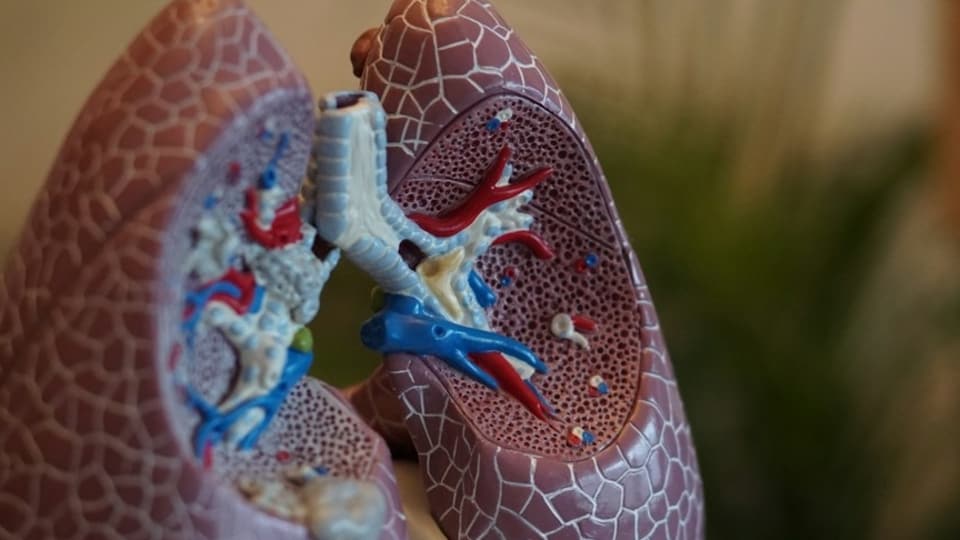
Speaking to ANI, Jayadevan underlined that while pneumonic plague is the prime suspect in the evolving situation, the official cause of death remains unconfirmed.
"Yersinia pestis is a bacterium that causes plague. When we call it an outbreak, right now it's an evolving story, and we only know that a lab worker died of pneumonia and that the lab contained a test tube that contained this bacterium. So it's logical to assume that the person died of pneumonic plague, but that's not been confirmed upfront," he said.
Deep Dive

He added that the person's contacts are being traced. He clarified how important it is to quickly identify the cause of death, the risk factors and track the people who were in immediate contact with this person.
Speaking on the nature of Yersinia pestis, he explained that the bacterium Yersinia pestis causes plague, which manifests in three primary clinical forms: skin problems, pneumonia, or by travelling through the bloodstream, affecting various parts of the body.
"This bacterium causes the plague. There are basically three forms of plague. The same bacteria causes all three forms. Either you get the skin problem, like a skin lesion, or you can get pneumonia. That's an infection in the lung. It can also spread into the blood and travel to various parts of the body," he said.
Jayadevan highlighted that the pneumonic form is particularly critical because it affects the lungs and can rapidly progress to death in as little as 24 hours.
"The kind that involves the lungs can rapidly progress to death in about 24 hours," he added.
The IMA Research Cell convenor emphasised that plague is a well-understood disease in modern medicine, and effective preventive measures, including targeted antibiotics, can safeguard an individual who comes into contact with an infected person.
"Plague is well known to modern medicine. There are preventive methods. For instance, people who are at risk can take antibiotics prescribed by the investigating team. Not everybody needs it, but those who are in close contact do," he noted.
He further highlighted the importance of contact tracing: "Contact tracing is the way to go. That is, track the number of people, identify them, see where they have moved, see if they have come into contact with other people, monitor them and watch them for symptoms."
Furthermore, Jayadevan reassured that there is no risk of the bacteria reaching India through travel. He noted that while human-to-human transmission of pneumonic plague can occur in densely crowded settings, individuals infected with the severe strain are typically too ill to travel or spread the disease widely.
"There's really no need for any panic here. From India's standpoint, this is a matter that's occurring in another country. There is really no risk of someone travelling this far carrying this bacteria. Its ability to spread from person to person varies depending on the setting. If the person is in a very crowded area, yes, it can affect many people, but typically these individuals are too ill to spread the bacteria," he emphasised.
Individuals suffering from pneumonic plague commonly experience elevated temperatures, cranial discomfort, and fatigue, preceding fast-onset pneumonia, breathing difficulties, thoracic discomfort, coughing fits, and occasionally blood-tinged or fluid-like secretions, per documentation from the US Centres for Disease Control and Prevention.


