
 E-Paper



Maoists go on rampage in Bastar, kill constable, set buses on fire
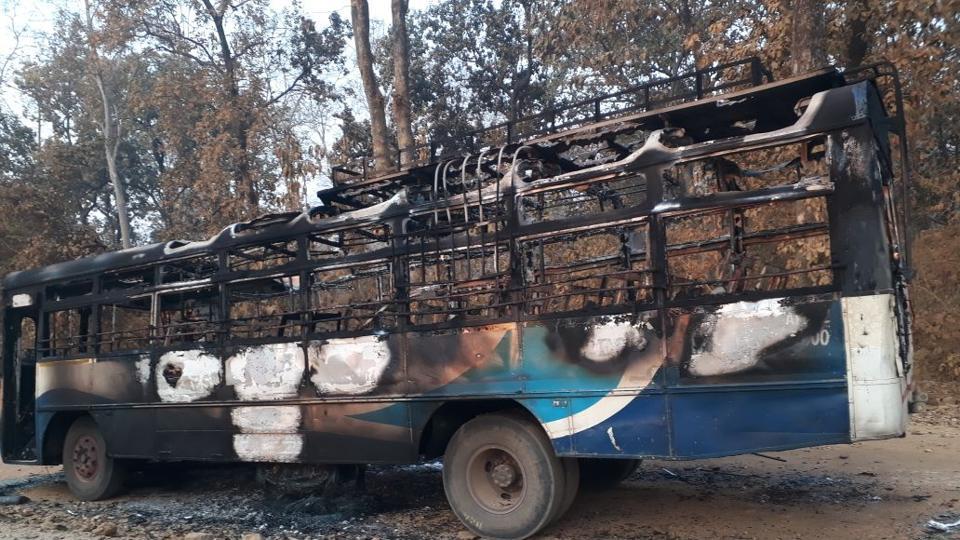
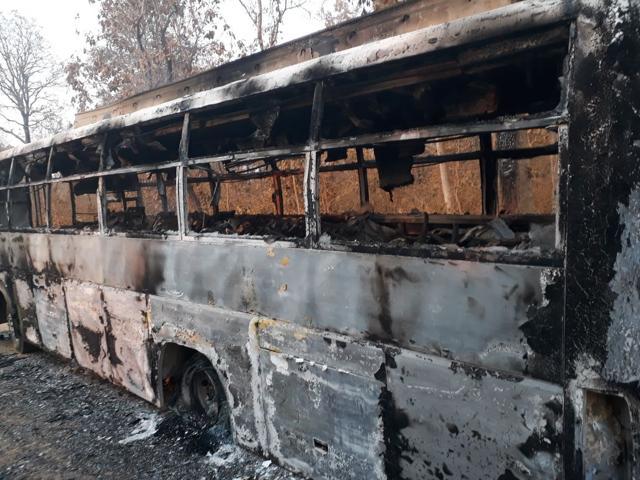
The Maoists stopped buses and asked the passengers to get down from the vehicles before setting them ablaze.

 Prefer HTon Google


Maoists shot dead a former police constable and burnt three buses in south Bastar region on Monday, sending security forces into a tizzy.
Police suspect the killing of the constable Munna Sodhi could be an act of revenge by his brother-in-law, a Maoist, for allegedly killing his sister in 2012.
“The Maoists were searching for Sodhi only when they stopped the buses,” a senior police officer said on condition of anonymity on Tuesday.
However, special director general of police, anti-naxal operations, D M Awasthi said the Maoists were frustrated over constant operations against them in Bastar. “The recent encounter of Pujari Kanker has shaken them and hence, they are now burning vehicles,” he said, adding that a combing operation has been launched to hunt for the ultras.
Awasthi said the Maoists reached national highway 30, connecting Chhattisgarh with Telangana capital Hyderabad, at around 8 pm on Monday and an hour later started stopped the buses.
They burnt three buses heading towards Hyderabad — one from Jagdalpur, Bastar district headquarters, another from Dantewada, and the third, on its maiden run, from Malkangiri in Odisha.
At least 10 Maoists, including six women rebels, and a constable of the elite commando force, Greyhounds, were killed in an encounter in the forests of Chhattisgarh’s Bijapur district bordering Telangana, the police said on Friday.
-kW0H-U20214218012MgB-250x250%40HT-Web.jpg)


