
 E-Paper



PM Modi in Japan: AI, semiconductors, bullet trains and more on agenda | Details
PM Modi departed to Japan earlier today, and members of the Indian diaspora gathered in Tokyo to welcome him.

 Prefer HTon Google


Prime Minister Narendra Modi is on a two-day visit to Japan at the invitation of his counterpart, Shigeru Ishiba, to attend the 15th India-Japan Annual Summit. Calling the visit an opportunity to advance India’s national interests, PM Modi said it would also strengthen regional and global peace and security.
“I look forward to engaging with PM Ishiba and others during this visit, thus providing an opportunity to deepen existing partnerships and explore new avenues of collaboration,” PM Modi wrote on X upon arrival in Tokyo.
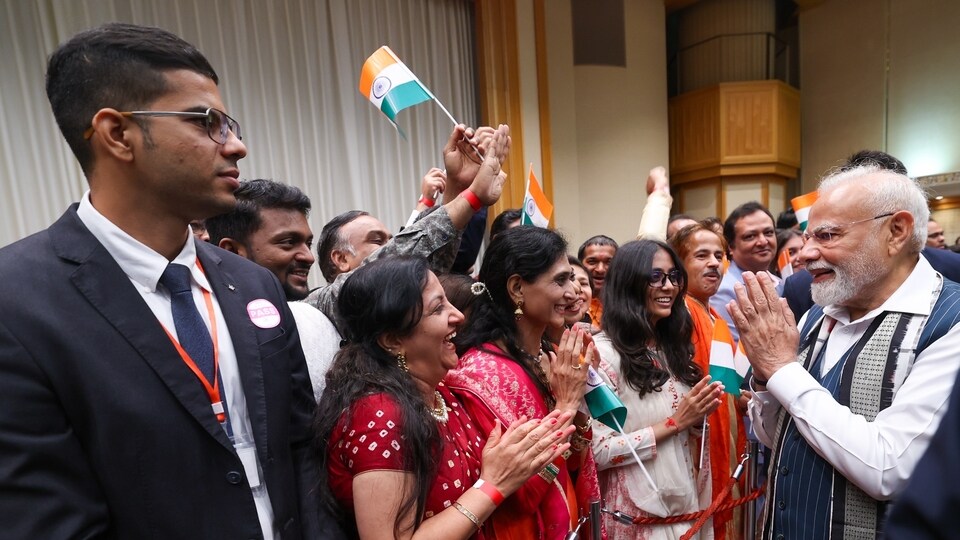
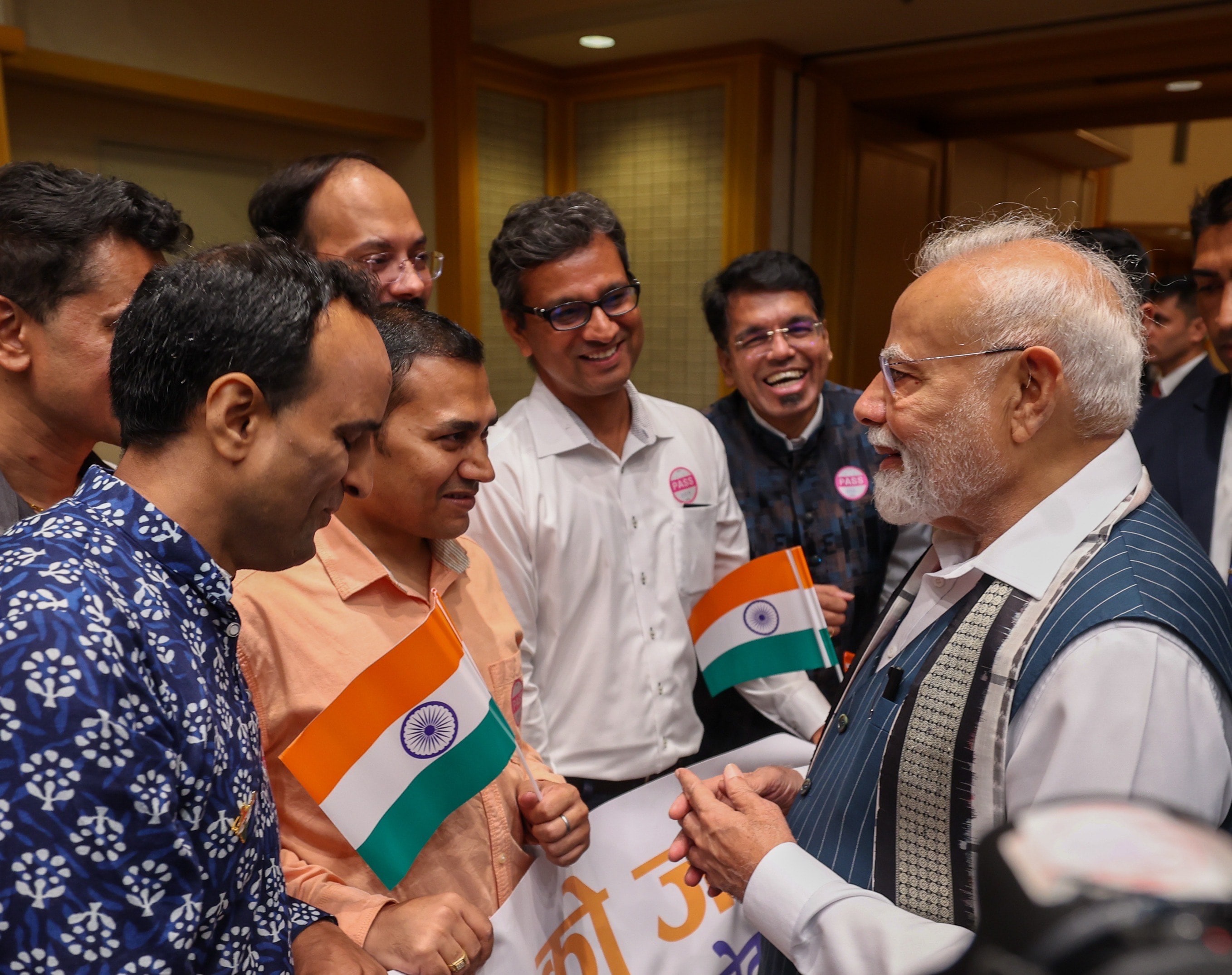
Kickstarting his first standalone visit to Japan in seven years, PM Modi also met members of the Indian community who had been awaiting his arrival in Tokyo. The PM was “deeply touched” by the warmth he received and heaped praise on the Indians' “commitment to preserving cultural roots while contributing meaningfully to Japanese society”.

Members of the Indian diaspora had gathered in Tokyo to welcome him, while Japanese artists prepared cultural performances for the occasion.
The summit is expected to focus on deepening economic and investment partnerships, while also enhancing cultural ties between the two nations.
What's on agenda?
PM Modi announced his departure earlier today, announcing that key agenda of his visit to Japan would be fostering Special Strategic and Global Partnership, saying it made steady progress over 11 years.
He also spoke about economic and investment ties, saying Artificial Intelligence and semiconductors would also be the technologies where both nations would advance cooperation.
"We would endeavour to give new wings to our collaboration, expand the scope and ambition of our economic and investment ties, and advance cooperation in new and emerging technologies, including AI and Semiconductors. The visit will also be an opportunity to strengthen our civilizational bonds and cultural ties that connect our peoples," a part of his post read.
According to Bloomberg report, PM Modi may secure investment pledges worth $68 billion during the two-day visit. An economic security pact focussing on semiconductors, critical minerals, and AI may also be signed, the publication further reported.
E10 Shinkansen bullet trains
It was earlier reported that India and Japan may ink a deal for the manufacture of next generation E10 Shinkansen bullet trains in India. An announcement in this regard is likely during PM Modi's visit to the country.
“The project is in line with the success of the Maruti Suzuki joint venture that happened about four decades ago, but its scale and strategic importance is immense,” one of the people said, asking not to be named.
Apart from PM Shigeru Ishiba, PM Modi will reportedly also meet governors of Japan's prefectures.
After he concludes his visit to Japan, PM Modi will depart for China, where he is scheduled to attend the Shanghai Cooperation Organisation (SCO) Summit in Tianjin, and meet Xi Jinping on August 31.


