
 E-Paper



Quad decisions to be set in motion at key meet this week
After attending the Quad meeting, Jaishankar will hold bilateral discussions with his Australian counterpart with a possible meeting with Prime Minister Scott Morrison.

 Prefer HTon Google


In the run-up to the Quad summit in April-May this year, the foreign ministers of the grouping are meeting in Melbourne, Australia on Friday to operationalize the arrangement on Indo-Pacific, vaccine delivery, critical and emerging technologies, and global security environment.
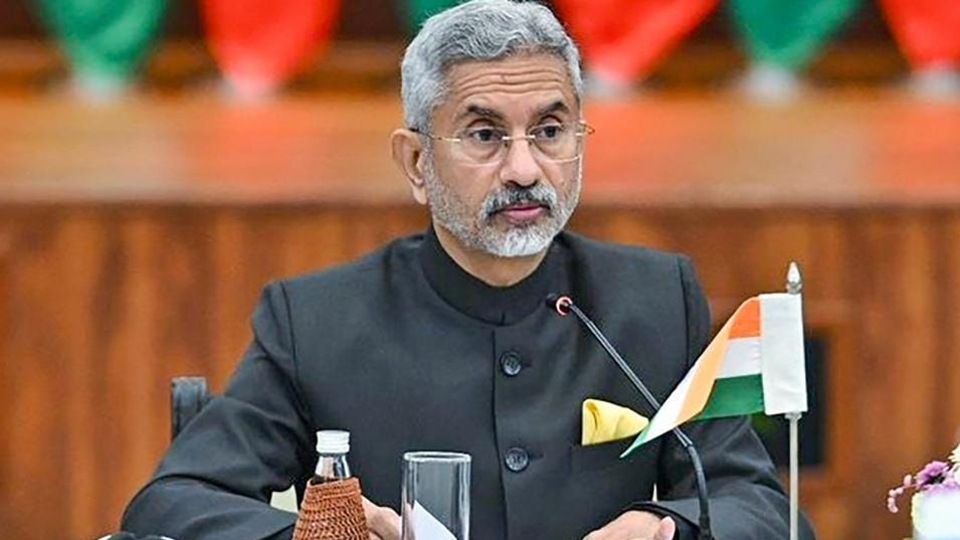
External affairs minister S Jaishankar left for the Quad ministerial via Qatar on Wednesday with India being clear that the security grouping should consolidate its gains and reflect policies on ground before talking about expansion of the arrangement. US Secretary of State Antony Blinken, Japanese foreign minister Yoshimasa Hayashi, and Australian foreign minister Marise Ann Payne will be attending the crucial meeting at a time when China is belligerent towards Quad partners over Taiwan and is dragging its feet over fully resolving a 22-month-long standoff in Ladakh with India.
After attending the Quad meeting, Jaishankar will hold bilateral discussions with his Australian counterpart with a possible meeting with Prime Minister Scott Morrison.
The two countries have rapidly cemented ties post 2014. Today, Australia is one of India’s key partners with Prime Minister Narendra Modi personally invested in improving the bilateral relationship with Canberra as both the middle-powers have convergence on host of issues.
While Quad’s stature has grown -- from foreign secretary level interactions in 2017, to the foreign ministers meeting in 2019, to a heads of State summit in 2021 -- the plan is to link the grouping through a diplomatic blockchain with no permanent secretariat.
The Melbourne meeting is especially significant as the foreign ministers will translate Quad policies on the ground. For instance, the four leaders will sit together to translate vaccine delivery on the ground by giving specific tasks such as manufacturing and funding of Covid vaccines to specific countries.
Quad ministers will deliberate on the Ukraine crisis, China’s emerging proximity to Russia and its belligerence over Taiwan, and building trusted supply chains for emerging and critical technologies like 5G, 6G, artificial intelligence and quantum computing. “Rather than debating on expansion of Quad, time has come to translate policies on ground. The time for symbolism is over, Quad needs to be actionable,” said a former foreign secretary who asked not to be named.
At the Melbourne summit, the Quad ministers are expected to work out a policy to mesh the diplomatic bureaucracies of the partners, the biggest hurdle to forward movement.
“ It is one thing to make a statement on vaccines, but with the kind of political overtones vaccines have acquired, the Quad ministers need to identify who will make the vaccine and which are the countries that will be supplied to on a priority basis as per requirement,” said a former Indian ambassador to US, asking not to be named.


