
 E-Paper



Rajasthan opposes same-sex marriage, 6 states seek more time to examine: Centre to Supreme Court
The Centre on Wednesday informed the Supreme Court that it has received replies from seven states on the same-sex marriage issue.

 Prefer HTon Google


The Centre on Wednesday informed the Supreme Court that it has received replies from seven states on the same-sex marriage issue. While the Congress-led Rajasthan has opposed the idea, Maharashtra, Uttar Pradesh, Andhra Pradesh, Manipur, Assam and Sikkim said they will need more time to examine this.
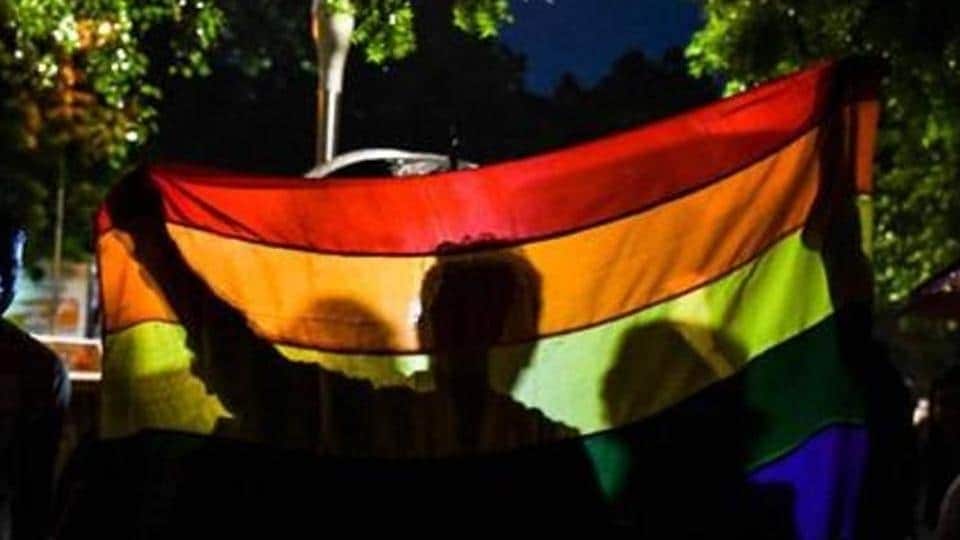
The hearing on a batch of petitions seeking legal validation for same-sex marriage is continuing on the ninth day before the top court bench.
On April 19, the Centre had informed the court that it has written to the chief secretaries of states, informing them that the same-sex marriage case is being heard by the Supreme Court. The move to inform the states is despite the Supreme Court having already made it clear on April 18 that it would not venture into the realm of personal laws of various religions. The court had decided to restrict itself to examining whether the ambit of the Special Marriage Act could be widened to accommodate same-sex marriages.
The Supreme Court on Tuesday said it has to be alive to the fact that the concept of marriage has evolved and must accept the basic proposition that marriage itself is entitled to constitutional protection as it is not just a matter of statutory recognition.
Earlier on Wednesday, the apex court said Indian laws permit an individual to adopt a child irrespective of marital status while asserting that the law recognises there may be situations apart from an “ideal family” having its own biological children.
In its submission to the apex court, which is hearing pleas seeking legal validation for same-sex marriages, the National Commission for Protection of Child Rights (NCPCR) argued that the concept of gender may be “fluid” but not mother and motherhood.
Highlighting the legal position in different statutes that the welfare of a child is paramount, the NCPCR told a five-judge Constitution bench headed by Chief Justice DY Chandrachud that it has been held in several judgments that the adoption of a child is not a fundamental right.


