
 E-Paper



‘Sympathy cannot substitute eligibility’: Delhi HC rejects surrogacy plea after woman crosses 50
The couple approached a clinic for their first consultation on February 6, 2025, when the woman was approximately 49 years and seven months old

 Prefer HTon Google


Sympathy, howsoever genuine, cannot substitute statutory eligibility, the Delhi High Court has held, refusing to exempt a couple from the prescribed age limit to enable them to undergo surrogacy.
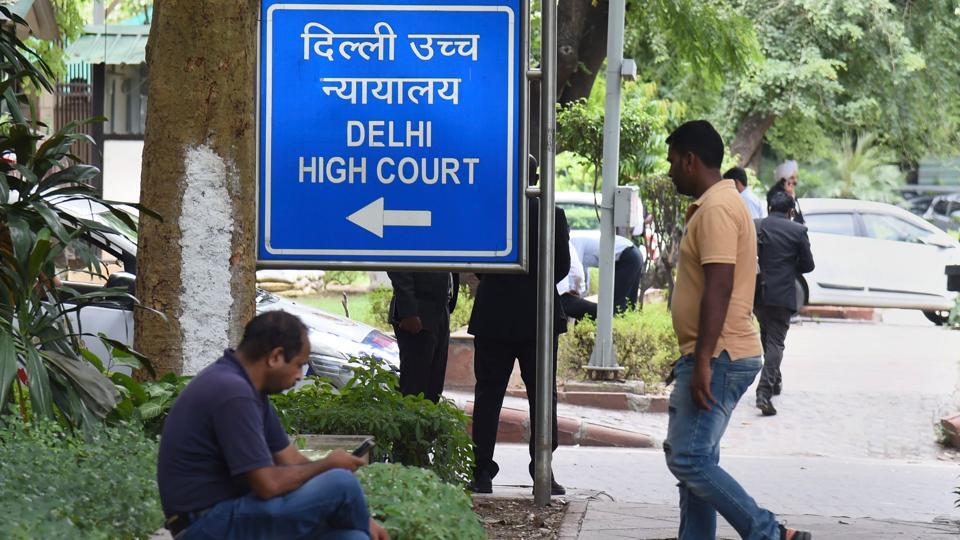
“Notwithstanding, the court is required to decide the matter in accordance with the governing statutory framework and sympathy, howsoever genuine, cannot be a substitute for statutory eligibility,” a bench of justice Amit Mahajan said in his November 2 order, released later.
In the case at hand, the couple approached a clinic for their first consultation on February 6, 2025, when the woman was approximately 49 years and seven months old. Four days later, gestational surrogacy using a donor was recommended. However, while undergoing infertility treatment in July 2025, she crossed the upper age limit of 50 prescribed under Section 4(iii)(c)(I) of the Surrogacy (Regulation) Act, 2021.
The couple subsequently approached the high court seeking an exemption from the statutory age restriction to undergo surrogacy, arguing that the woman had crossed the prescribed age limit while they were already undertaking the necessary steps to initiate the surrogacy process.
Also Read:Age limit not applicable if embryos frozen before Surrogacy Act: HC
Acknowledging the deeply personal nature of their aspirations and the emotional distress associated with unsuccessful fertility treatment, the court nevertheless dismissed the petition. It observed that the woman had crossed the prescribed age limit before the surrogacy procedure could commence.
The judge also noted that, during their first consultation on February 6, the couple had been made aware that the woman was only five months away from attaining the upper age limit but they approached the court only after she had crossed the prescribed age limit and failed to offer any satisfactory explanation for the delay in seeking judicial intervention.


