
 E-Paper



Tamil Nadu passes bill empowering govt to appoint VCs, guv's power clipped
CM MK Stalin said that even in Gujarat, the home-state of Prime Minister Narendra Modi, vice-chancellors are not appointed by the governor but the state.


The Tamil Nadu assembly on Monday unanimously passed a resolution that empowered the MK Stalin-led government to appoint vice-chancellors to various universities in the state, a move aimed at curbing the governor's say in the matter.
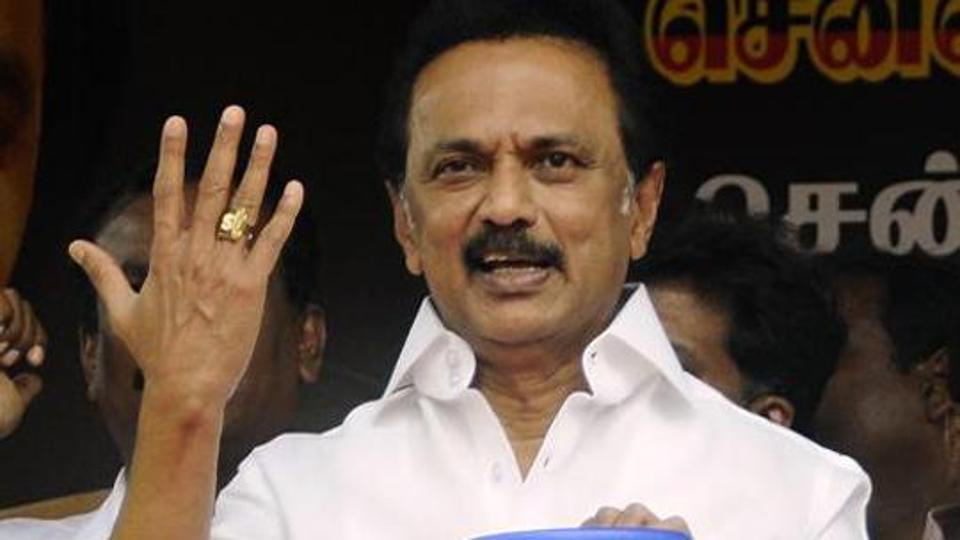
Legislators of the Bharatiya Janata Party (BJP) walked out of the House after higher education minister K Ponmudy tabled the bill to amend the Tamil Nadu Universities Laws.
A PTI report said the chief minister, while appealing to legislators in House to support the government's initiative, said that even in Gujarat, the home-state of Prime Minister Narendra Modi, vice-chancellors are not appointed by the governor but the state. Same was the case with other states including Telangana and Karnataka.
The ruling DMK's move will allow the state government to appoint VCs to state universities. The government said the bill was tabled based on recommendations by the University Search committee.
The chief minister said the governor was the chancellor of 13 universities in the state, with the higher education minister being the pro-chancellor. The state government being not empowered to select the vice chancellors had created a "big impact" on higher education, he added.
While the practice by the governor earlier was to consult the state government before selecting the vice chancellors, "there has been a change in this in the past few years," he said.
The main opposition AIADMK also staged a walkout ahead of the passage of the bill, taking exception to a remark on late chief minister J Jayalalithaa by Congress Legislature Party leader K Selvaperunthagai. Opposition PMK supported the bill.
Earlier in the day, governor RN Ravi inaugurated a two-day conference of VCs at Udhagamandalam, attended by among others, Zoho Corporation CEO Sridhar Vembu, whose participation in the event was questioned by the Congress.
In an apparent reference to the previous AIADMK government, Stalin further said that in the last four years, the governor had acted in a way that seemed the appointment was his "exclusive right" and did not respect the state authorities.
"A government elected by the people being unable to appoint vice chancellor to a university run by it creates a lot of issues in the overall varsity administration. This is against the democratic principles," Stalin said.
Speaking about the Punchhi Commission that had been set up by the Centre in 2007, Stalin said it had recommended against appointment of VCs by the governor, a post "not provided in the Constitution", as such power would lead to controversies and criticism.
"There would be clash of functions and powers," between the state government and the governor, he quoted the commission as stating.
He said the previous AIADMK government had in 2017 opined that the Punchhi Commission report could be accepted and therefore it may not feel bad to support the government move today.
(With inputs from agencies)


