
 E-Paper



Upload content on internet with caution: Delhi HC grants anticipatory bail to Ajaz Khan
Justice Ravinder Dudeja, in his verdict, though acknowledged the internet’s role in making knowledge accessible, said that it has also broadened the reach of content to audiences across all age groups

 Prefer HTon Google


The Delhi High Court on Thursday said that social media influencers with a significant following must upload content on the internet with great caution, since they exercise influence in society.
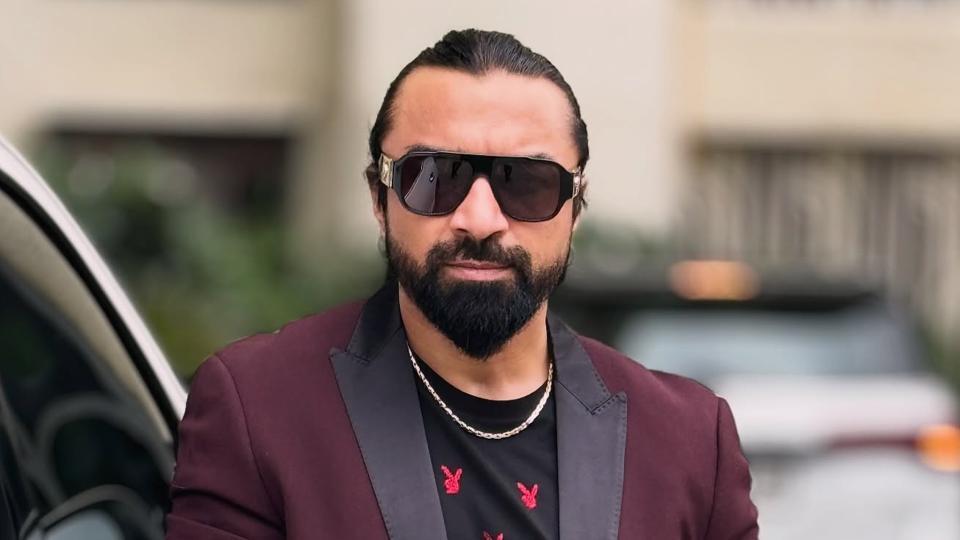
The court delivered the verdict while dealing with actor Ajaz Khan’s petition seeking anticipatory bail in a case registered against him for allegedly posting sexually explicit and threatening videos against YouTuber and social media influencer Harsh Beniwal’s mother and sister.
Justice Ravinder Dudeja, in his verdict delivered on Thursday, though acknowledged the internet’s role in making knowledge accessible, said that it has also broadened the reach of content to audiences across all age groups.
“Before parting, just a word of caution for those using social media. The internet has made knowledge easily accessible by intensifying its circulation. With this, however, it has also brought a large audience of every age group. Thus, any content on the internet is porous and accessible to a large audience. Every content on the internet must be uploaded with great caution, especially when the uploader has a large audience and exercises influence in society,” the court maintained.
The case had stemmed from a complaint filed by Beniwal’s mother under section 79 (outraging the modesty of a woman) of Bharatiya Nyay Sanhita (BNS) and section 67 of the Information Technology Act. Beniwal’s mother alleged that Khan made sexually explicit remarks in response to a parody YouTube video posted by her son, titled “A Day with Najayaz Bhai.”
In his petition, Khan had alleged that Beniwal had used derogatory words, abuses, obscene gestures, such as calling him a drug peddler, molester, and the video made by him was in retaliation for Beniwal’s derogatory and defamatory video. Khan, in his petition, further asserted that the same was, however, taken down later.
The Delhi police, represented by additional public prosecutor Yudhvir Singh, asserted that Khan had failed to appear before the investigating agency despite issuance of notice and the offences allegedly carried grave social implications, in the context of online gender based abuse, vulgarity and digital defamation.
Ruling in Khan’s favour, the court granted him anticipatory bail, noting that the phone from which Khan had recorded the video was in the Bombay police’s custody and the need for custodial interrogation in such circumstances did not arise. The court directed him to furnish a personal bond of ₹30,000 with one surety and also cooperate with the probe.
The court, in its 11-page ruling, however, underscored that the right to freedom of speech and expression is not absolute and comes with reasonable restrictions. Free speech, the court said, must not cross the line into insult, humiliation or incitement and trample on one’s dignity.
“The freedom of speech and expression granted by the Constitution under Article 19 must be exercised within the bounds of the reasonable restrictions it places. When the speech crosses the line into insult, humiliation or incitement, it collides with the right to dignity. Free speech should therefore not trample on dignity,” the court maintained.


