
 E-Paper



Vardah headed for landfall: 10 tips to survive a cyclone
Cyclone Vardah will hit Tamil Nadu, Pudducherry and southern Andhra with a wind speed of up to 100 kmph on Monday afternoon. It is expected to maintain its intensity for six hours and the start weakening gradually.

 Prefer HTon Google


Cyclone Vardah will hit Tamil Nadu, Pudducherry and southern Andhra with a wind speed of up to 100 kmph on Monday afternoon.
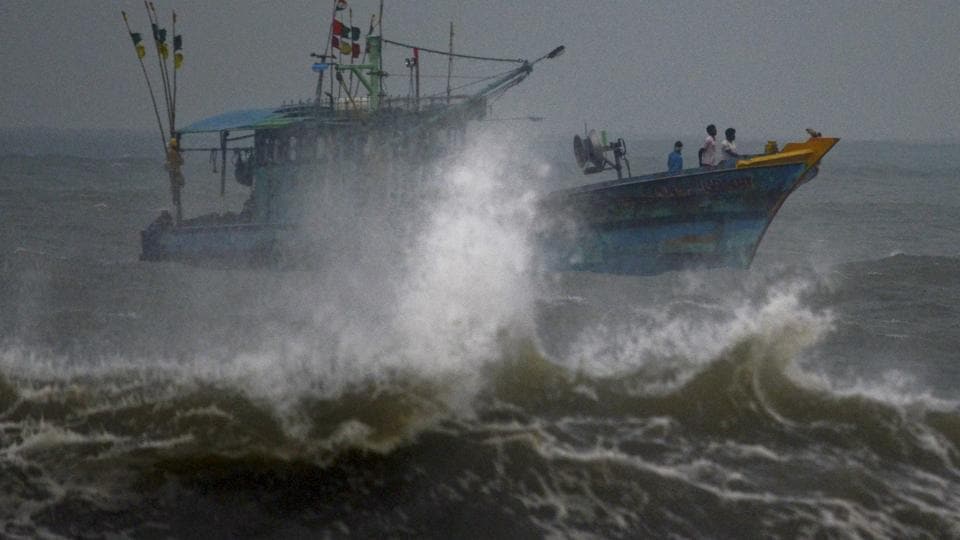
It is expected to maintain its intensity for six hours and then start weakening gradually.
“The tidal wave of about one-metre high above the astronomical tide is very likely to inundate the low-lying areas of Chennai, Thiruvallur and Kancheepuram,” said the Indian Meteorological Department.
Rainfall intensity will increase gradually becoming heavy to very heavy rainfall of 7-19cm at a few places and isolated extremely heavy rainfall of more than 20cm in Chennai, Thiruvallur and Kancheepuram districts of Tamil Nadu and Nellore and Prakasam districts of Andhra Pradesh.
Fishermen have been advised not to go into sea along and off south Andhra Pradesh, northern Tamil Nadu and Puducherry coasts over the next 36 hours.
Here’s what people should do:
1. Remain indoors in a safe place till the wind dies down and the rain stops completely. Remember to get your pets indoors.
2. Have an emergency kit ready that includes aid supplies, torch, battery-operated portable radio, important documents and medicines.
3. Stock up on food, medicines and drinking water for 24 hours and use them judiciously. Overhead tanks, particularly in multistoried buildings, must be filled to capacity in case of unexpected power outage .
4. Charge all emergency lights and mobile phones . Stock up on candles and matches.
5. Avoid using two-wheelers and cars during the rain.
6. If the storm gets very bad, turn off all electricity, gas and water and unplug all appliances.
7. Flooding may occur after a cyclone. Use local alerts to get information and expert informed advice.
8. Stay away from damaged areas and properties.
9. Don’t use electrical appliances that have been wet.
10. Stay away from damaged power lines, fallen trees and flood waters.
Be safe, everyone.


