E-Paper



Vietnam to raise South China Sea situation in security dialogue with India
In August, India said it had an “abiding interest in the peace and stability” of the region and called for adherence to international laws, including the UN Convention for the Law of the Sea.

 Prefer HTon Google


Vietnam will raise the situation in the South China Sea, including four intrusions by Chinese vessels into its exclusive economic zone (EEZ) since July, in the upcoming annual security dialogue with India this month, Vietnamese ambassador Pham Sanh Chau has said.
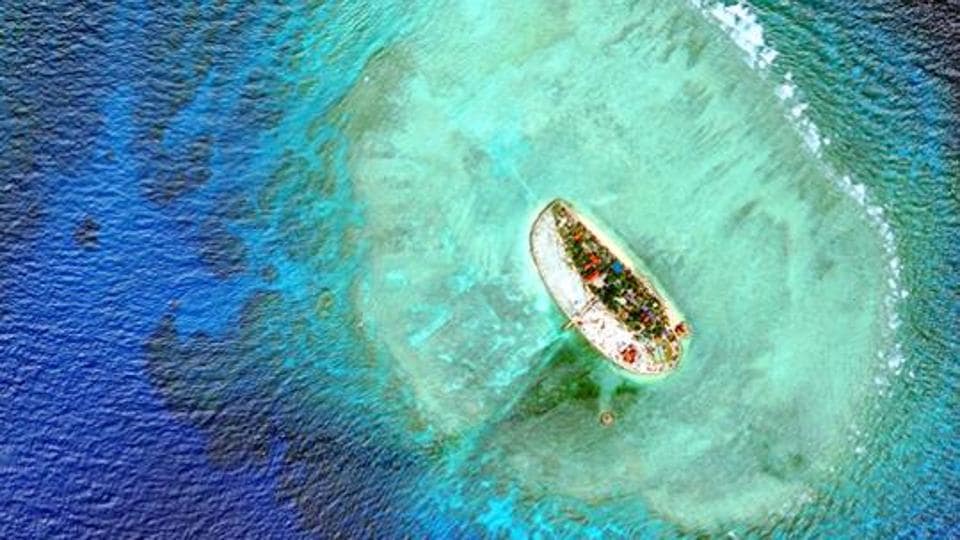
The latest intrusion by 28 Chinese vessels began on September 30 and was continuing despite more than 40 representations to the Chinese side since the first intrusion three months ago, the envoy said in an interview. “We told them they shouldn’t violate our waters and they should withdraw all the ships as soon as they can,” he said.
India is one of only three countries with which Vietnam has a comprehensive strategic partnership and the annual security dialogue is scheduled to be held in Ho Chi Minh City this month. “We hope we will be able to cover not only the security of the two countries but issues concerning the whole region, and especially, we will bring up the current situation in the South China Sea,” Pham Sanh Chau said.
All three previous Chinese deployments occurred close to waters where state-owned ONGC Videsh is engaged in energy production, people familiar with developments said. The Chinese vessels came closest to the ONGC Videsh facility during a deployment on July 3.
In August, India said it had an “abiding interest in the peace and stability” of the region and called for adherence to international laws, including the UN Convention for the Law of the Sea.
The envoy described defence and security cooperation, trade and investment, and collaboration in science and technology as priority areas for Vietnam in its relationship with India.
Both countries are working to operationalise a $500-million line of credit offered by India for defence purchases, he said. “It takes time because the two sides, especially the companies, have to exchange a lot of communications concerning the price, procedures and formalities, even the fiscal stability of the project. I think it’s on track, no issue about that. It just takes time,” he said.
Pham Sanh Chau also said India’s Indigo and Vietnam’s budget airline VietJet were set to start direct flights. Indigo will fly from Hanoi to Kolkata and connect the same evening to Delhi and other cities from October 3, while VietJet will fly from Hanoi and Ho Chi Minh City to New Delhi every day, alternatively, from December 7, he said.
Both countries are also on track to achieve the target of boosting bilateral trade to $15 billion by 2020, though Vietnam had been hit by an Indian subsidy investigation for its stainless steel items and an anti-dumping probe for steel products, the envoy said.
Vietnamese farmers engaged in producing joss sticks for India’s agarbatti industry had been affected by the Indian commerce ministry’s decision a month ago to restrict imports of the raw material, he said. The total value of the agarbatti industry is $1 billion and Vietnam’s raw material exports amounted to $84 million, and the imports were restricted without a review period. “I urge India to review the decision,” he said.