
 E-Paper



‘Who’s going to save you?’ flydubai hero Indian captain Smit Machchhar's old podcast talk on cabin crew surfaces
flydubai incident: In an old podcast going viral now, Captain Machchhar emphasised cabin crew's vital role in emergencies, alongside pilots.

 Prefer HTon Google


Captain Smit Machchhar, the Indian pilot who has emerged as the hero after saving over 170 passengers by fighting off his first officer who attacked him on a flydubai flight on Wednesday, had only last year spoken about how people don't treat cabin crew properly.

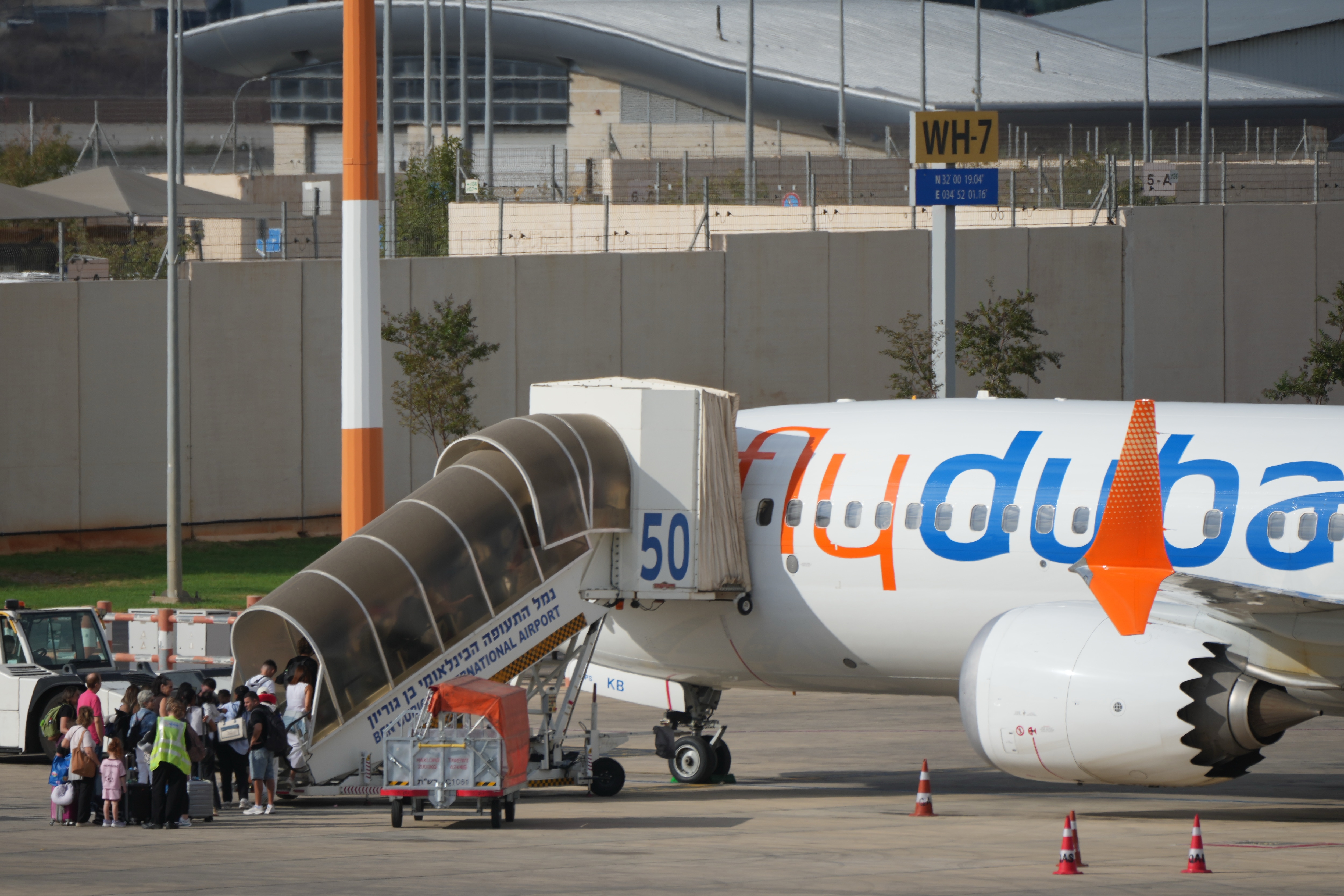
Machchhar's co-pilot attacked him allegedly intending to crash the flydubai flight FZ1073 from Dubai to Tel Aviv on Wednesday, September 30, evening. Despite being stabbed and seriously injured, Machchhar opened the locked cockpit door, which allowed passengers and crew to overpower the co-pilot.
Amid the spotlight on Captain Smit Machchhar following the flydubai incident, a year old podcast conversation has been going viral, in which he shared his views on what he considers one of the most challenging parts of flying - handling passengers when things go wrong.
On podcaster Zalak Mehta's Bona-Fide Banter Ep. 2, released in October last year, Machchhar was asked why an announcement from the cockpit carries a different weight when cabin crew are equally trained to handle passengers. Track latest updates in flydubai incident here
He acknowledged that there is a difference in the qualifications and responsibilities of pilots and cabin crew, but stressed that it should not diminish the role of cabin crew.
"Maybe it's the place of authority, I think, because eventually, yes, the cockpit is what is taking you from here and there. But that does not take away anything from the crew."
'Who's going to save you?'
He pointed out that, while the public perception might be something else, cabin crew undergo rigorous training in safety and emergency procedures, as well as first aid.
"When we are up there and if something happens, you know who's going to save-you'll be lucky enough to have a doctor on board, but then if not, then they are trained," Machchhar said.
He added that while cabin crew are not trained to perform complex medical procedures, their training can be crucial in an emergency.
"I'm not saying they are trained to do surgeries and stuff, but then they can save your life, you know."
Listen in
For Machchhar, the public perception of cabin crew often changes when an ordinary flight turns into an emergency.
"So it is unfortunate how the entire outlook of people is there towards the crew, but when things are going wrong, you need them."
Machchhar's comments on the podcast appeared to offer a window into the role of cabin crew beyond the familiar image of serving food, managing passengers and making announcements - particularly at a time when he himself has come under the spotlight after the flydubai incident.
When Smit faced frustrated passengers
The captain recalled an incident from early in his flying career when a major delay left passengers increasingly frustrated and the cabin crew struggling to manage the situation.
"I was in my-when it first happened with me, first time I think I had about total flying experience about thousand hours, like I was still a first officer," he said, recalling the incident.
The passengers were becoming increasingly agitated, he said, with some repeatedly questioning the cabin crew about when the aircraft would depart. Machchhar credited the captain he was flying with at the time for showing him a different way of handling the situation.
The captain asked him to keep the cockpit door shut and wait. Then came an unusual instruction: the two pilots would walk into the cabin and speak directly to the passengers.
“He's like, 'See, they're not going to touch you, we are in uniform,” Machchhar recalled.
Before approaching the passengers, the captain asked the crew who was making the most noise. He then walked up to the passenger and said, "Sir, baitho sir, how can I make your day better?"
Rather than confronting the passenger, the captain explained that the crew was facing the same delay and frustration.
“He's like, 'Sir, first flight, we all are up from 4:00 in the morning. Do you think we don't want to go home? And if you are stuck, we are stuck as well,” Machchhar recalled.
Initially, Machchhar thought the approach was not working. But then one passenger stood up and told the others that the crew was not going anywhere either. Slowly, the mood inside the aircraft began to change.
"And within 10-15 minutes, everyone was seated, they were eating their food or they were doing something, and quiet-the entire cabin quiet," he said.
The incident also ended on a lighter note. After the passengers calmed down, Machchhar and the captain returned to the cockpit - only to find passengers sending food into the cockpit.
"And the most funny thing was, we go back to our cockpit, and now passengers sending food in the cockpit, like wow!"
"Obviously, we can't have that," Machchhar added, laughing.
For Machchhar, the experience became a lesson in passenger management that stayed with him even after he became a captain. He said he tried the same approach on several occasions, though it did not always work.
"But as pilots, there's only limited things," he said. His preferred approach, he explained, is to keep passengers informed rather than leave them guessing during a delay.
"So what I do is I keep talking to them over the announcements, the PA, just keep them engaged," he said.
Even telling passengers that there would be another 30-minute delay, he said, can make a difference when the information comes directly from the cockpit.
"I don't know why-the crew are equally qualified, but when it comes from the cockpit, it makes a difference."


