
 E-Paper



Batter and verse: In India, Christmas involves cake runs, kolam, folk songs

 Prefer HTon Google


Across the country, the festival is celebrated with traditions that blend East and West: petha and local liquors in cake, Jishu Pujo and song krittans.
Punjabi folk songs, vibrant rangoli and Jishu Pujo all mark Christmas in India.
In the villages of Nagaland, where Christmas cakes were once baked in repurposed ammunition boxes left behind by British troops (they conduct heat well, and therefore served as a substitute for the oven), the tins still survive as family heirlooms; but what’s more, the cakes do too.
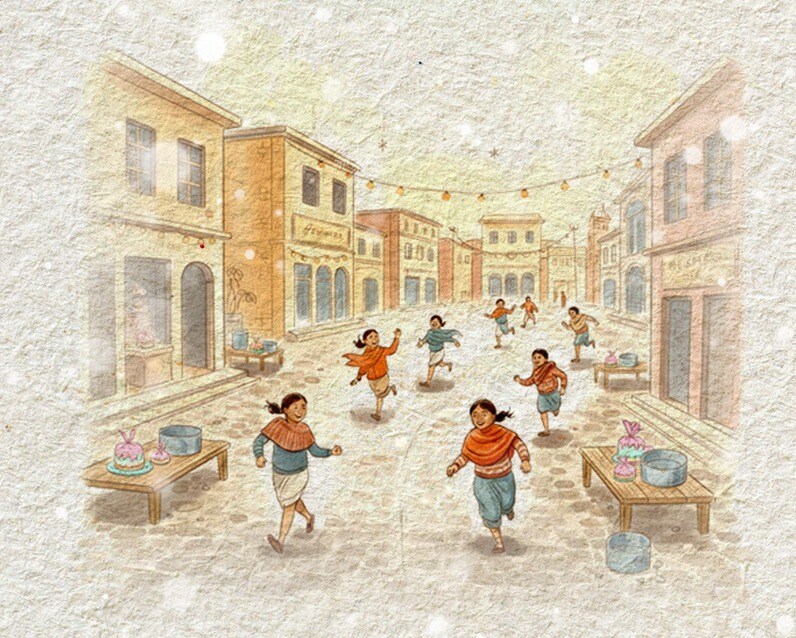
A seasonal highlight in this region are the inter-ward cake races held on Christmas Eve. These generally start at the town square and are run along the main road, before circling back to the starting point. Why “cake race”? The prize, apart from bragging rights, is a fluffy dessert.
This dense, floury treat — a new concept to many communities in the country — would undergo some dramatic changes, as local cultures put their stamp on the recipe.
In Allahabad, for instance, it is made with ghee and candied ash gourd or white pumpkin (also known as petha).
Maharashtrians add chironji or almondette seeds (those nutty things shaped like tiny, flattened peanuts, that often end up in kheer and basundi).
Kerala’s iconic plum cakes (which don’t necessarily contain plum, but are dark and fruity like their namesake nonetheless) were originally made with a local brew of cashew apple instead of brandy, and were so popular that they are said to have been exported to homesick soldiers during World War 1. Today, a new evolution: ready Christmas cake “masala” is easily available in stores here. This is a heady mix of nutmeg, cinnamon, cloves and dried, roasted and ground shahi jeera, primed for popping into the batter.
Meanwhile, across north India, Christian homes celebrate with intricate, colourful rangolis; while geometric rice flour kolam patterns are drawn in south India.
In West Bengal, Christmas is “Boro Din” or “Big Day” and has for generations been pencilled into the annual Pujo calendar, as Jishu Pujo.
In Meghalaya, celebrations are linked to music. People gather for open-air “song krittan” events through the month, and sing hymns and carols together. (Krittan is thought to derive either from “Christian” or from the Hindi word “keertan”, for musical prayer meet). On New Year’s Day, the final krittan is held, and draws celebrations to a close.
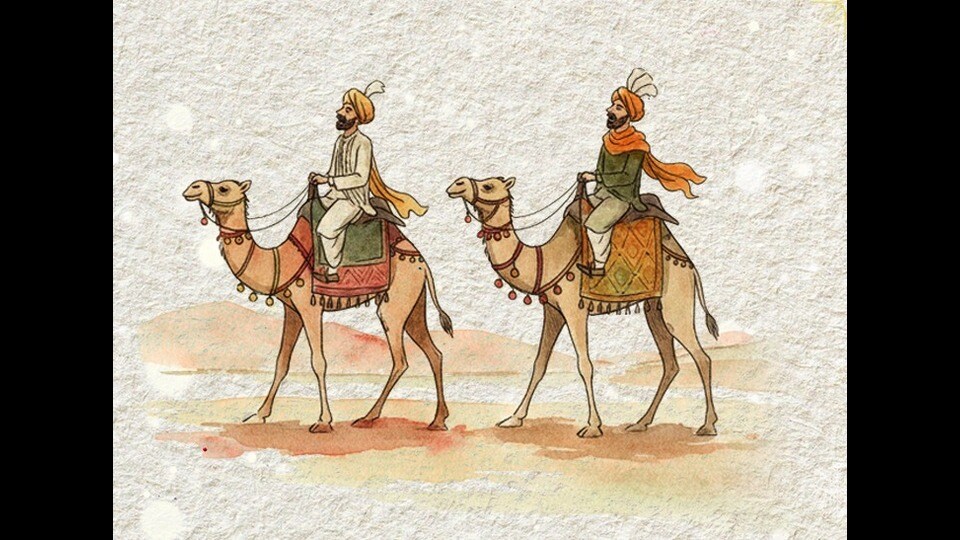
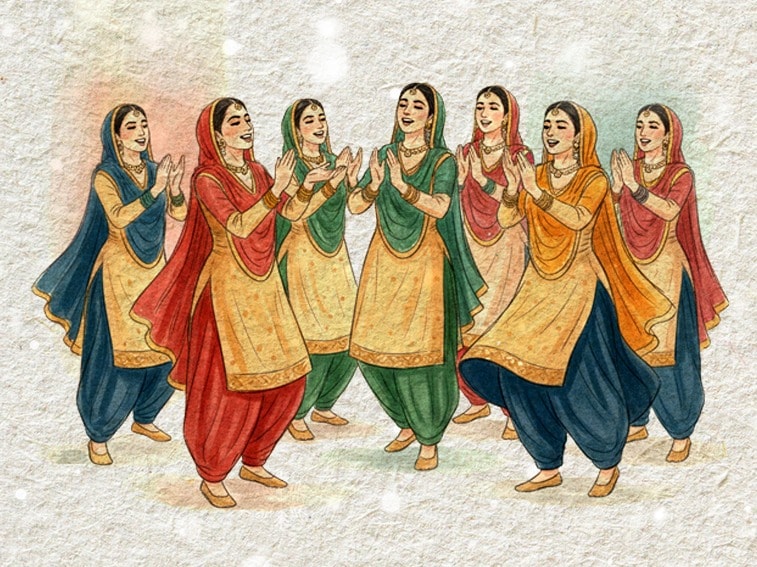
In Punjab, the revelry takes the form of tappe bolliyan or improvised folk songs, accompanied by rhythmic clapping. The lyrics of ancient ditties, originally sung by camel riders in Sindh to the accompaniment of camel bells, are rewritten. Examples include Ik Chamkeya Taara Ae (A Star Shines Bright) and Yeshu Sada Aya Jag Te (Jesus Has Come to Our World), which tell of a boy born in a manger, destined to change the world.


