
 E-Paper



Beyond aesthetics: Exploring the subtle art of colour psychology in interior design

 Prefer HTon Google


Home decor expert reveals the profound impact of colour psychology on interior design
Famous Swiss psychiatrist, psychoanalyst and Founder of analytical psychology‘ - Carl Jung once said, “Colours express the main psychic functions of man” but we tend to skip that when designing interior spaces as we often prioritise aesthetics and functionality. However, one crucial aspect that deserves attention is the influence of colours on our emotions and well-being as colour psychology, the study of how colours impact human behaviour and emotions, plays a significant role in interior design.
In an interview with HT Lifestyle, Mahesh Anand, President at Nippon Paint India (Decorative Division), shared, “Colour psychology continues to unveil its captivating secrets, revealing its profound influence on our emotions, perceptions, and behaviours. Understanding how colours influence emotions and behaviour allows designers to transform living spaces into personalized spaces that reflect our moods, enhance productivity, and promote well-being. So, the next time you embark on an interior design project, consider harnessing the transformative power of colour and incorporate the findings of colour psychology research to create spaces that are not only visually appealing but also emotionally and psychologically uplifting.”
He elaborated upon the profound impact of colour psychology on interior design -
- Creating a Welcoming Atmosphere:
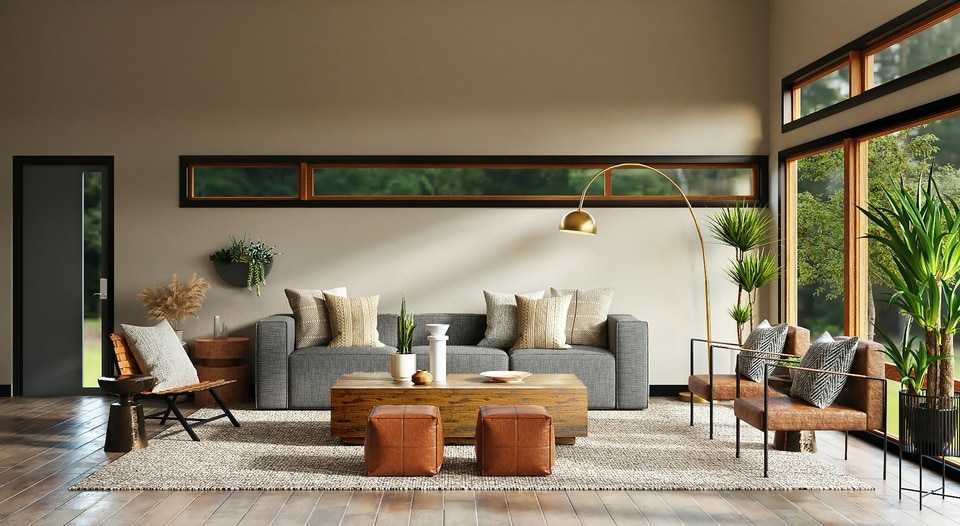
The choice of colours in an interior space sets the tone and atmosphere right, from the moment we step in. Warm and inviting shades such as soft neutrals, warm greys, and earthy tones like beige and terracotta create a cozy and welcoming ambience. Research conducted by Chebat et al. (2001) suggests that warm tones have a positive influence on consumers' evaluations of a store, leading to increased satisfaction and longer visit durations.
- Promoting Relaxation and Serenity:
In bedrooms and spaces dedicated to relaxation, it is crucial to create an environment that promotes tranquillity and restful sleep. Soothing shades like soft blues, lavender and pale greens are known for their calming effects. Blue-coloured rooms have a significant effect on reducing blood pressure and heart rate, promoting relaxation. Green environments tend to enhance psychological restoration and stress reduction while exposure to yellow enhances positive affect and even increases arousal levels - as measured by heart rate and blood pressure.
- Eliciting Emotions and Personal Expression:
Colours have the remarkable ability to evoke emotions and reflect individual personalities. Bold and vibrant ones like red, orange, or purple can add energy and drama to a room, perfect for spaces that encourage social interaction and creativity. Research by Labrecque and Milne (2012) suggests that colour can convey personality traits and influence consumers' emotional responses. Therefore, interior designers can leverage this information to create spaces that reflect the unique personalities and tastes of the occupants.
- Enhancing Spatial Perception:
Colours can also play a role in altering the perception of space. Lighter hues, such as whites and pastels, create an illusion of spaciousness, making small rooms appear larger. Conversely, darker ones can add depth and intimacy to larger spaces, creating a more comfortable and intimate atmosphere.
- Lesser-Known Facts That Influence Our Lives:
One captivating fact is that colour preferences vary across cultures. They carry diverse meanings and symbolism, resulting in varying preferences. Another fascinating aspect is how it can affect our perception of time. Warm tints like red and orange can make time feel shorter, while cool tints like blue and green can elongate our perception of time. This intriguing phenomenon reveals the subtle ways in which colours shape our subjective experiences and alter our sense of time. Furthermore, it can influence our perception of taste.
He concluded, “Studies indicate that the colour of food and drink can significantly impact how we perceive their taste. It has been observed that individuals perceive beverages served in red cups as sweeter compared to those in blue cups, even when the liquids are identical. This peculiar connection between colour and taste perception highlights the complex interplay of our senses and demonstrates its profound effect on our sensory experiences.”


