
 E-Paper



Everyday Explained: Why do emergency exit doors always open outwards?

 Prefer HTon Google


The design of emergency doors, which open outward, is crucial for safe evacuations. Read all about it in today's ‘Everyday Explained’.
Have you ever noticed that emergency doors open outwards? In today's edition of HT Lifestyle's ‘Everyday Explained’, we look into the history of doors, especially when emergency exit doors always open outside — there's a key safety logic behind it.
Also Read | Everyday Explained: Why does your stomach growl when you’re hungry? Here’s what’s really happening
Why do emergency exit doors open outwards?
It's not a random architectural choice. Often, doors in public buildings such as theatres, schools, stadiums, and shopping centres, including the emergency exits, open outward to facilitate safe emergency evacuation.
During hazardous incidents such as a fire or a panic situation, large crowds instinctively push towards exits. In such a situation, if a door opened inward, the pressure of the crowd could prevent anyone from pulling it open. Creating a stampede-like situation where people can get injured or even lose their lives.
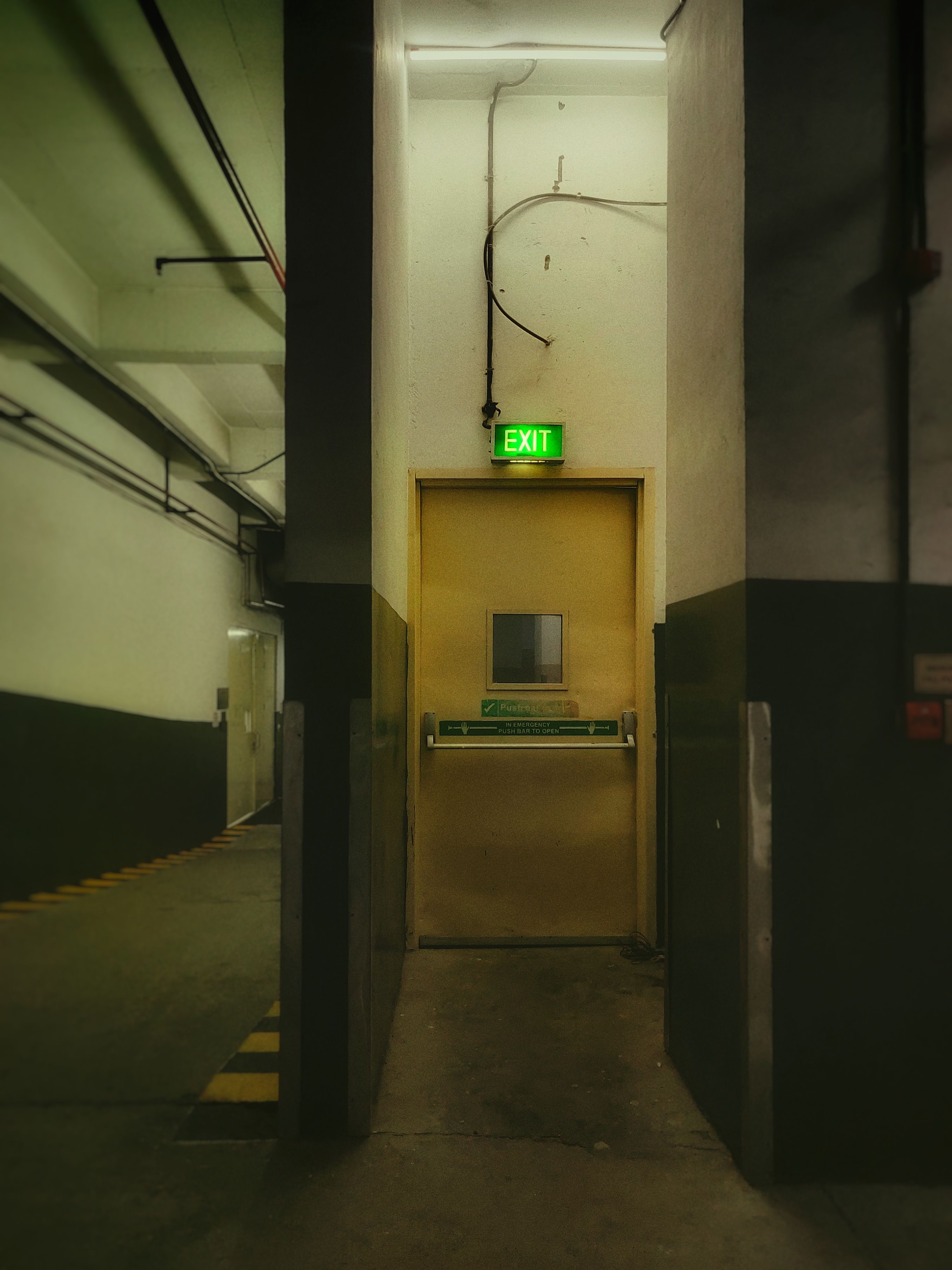
Emergency doors that open outwards solve this particular situation. So, if a crowd pushes against the door, their own force helps it open instead of trapping everyone inside. It is designed to do exactly what people do instinctively in these panic-filled moments.
The door handle
That's also why these emergency doors have long horizontal push bars that you push to open them. People in panic are often not rational. So, when a crowd of people is pushing towards the exit, they don't have to waste time looking for a handle.
This principle became especially important after several deadly fires and crowd disasters in the late 19th and early 20th centuries, which led to stricter building regulations worldwide.
Historical incidents
A report by the Smithsonian Magazine reveals one such incident from the 80s. According to her, in 1883, a theatre in England called the Victoria Hall was packed with around thousands of kids for a magic show. At the end of the show, kids were informed that toys would be available outside for free.
In excitement to exit the hall, kids rushed towards a single staircase at the same time. Now, at the bottom of the staircase was an exit door, but it opened inwards. As the children at the front slowed down because of the door and only two or three could pass at a time, the children behind had no idea, and they kept pushing. Within seconds, hundreds of children were packed against this one door.
Though the people outside were trying to help pull the door open, they couldn't, as the weight of the crowd pressing against it had effectively locked it shut. Now, by the time rescuers managed to get the door open, 183 children had died that day.
So, now, every time you leave a theatre, stadium, school, store, or any public space, you are looking at a design rule that was written to help because a good design is for what people would do as opposed to what people should be doing.


