
 E-Paper



Did you know cats are illegal in Norway's Svalbard? Here's why the beloved felines are prohibited in world's northernmost town

 Prefer HTon Google


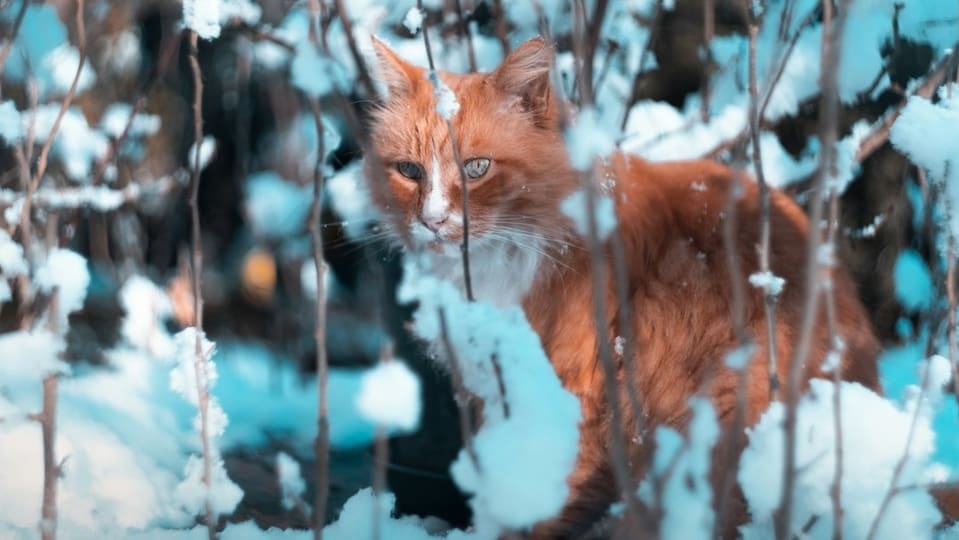
It is hard to imagine a ban on the adorable felines, but the reason has less to do with dislike and more to do with preserving the fragile Arctic ecosystem.
Living in a country where you can “pspsps” at cats wandering the streets, and where countless felines are cherished members of families, it is hard to imagine a place where these furry, boba-eyed creatures are actually banned. Yet, in Svalbard, a Norwegian archipelago that is home to the world’s northernmost settlement, cats are prohibited. In this edition of Travel Trivia, we explore the peculiar regulations that keep cats from entering Svalbard and the surprising reason behind the ban.
Also Read | Did you know Rajasthan has a ‘City of 100 Islands’? Here’s the history, heritage and story behind Banswara
Why are cats prohibited from entering Svalbard?
The unusual rule banning cats in Svalbard has little to do with a dislike of our feline friends and everything to do with protecting the archipelago’s fragile Arctic ecosystem.
Life in the world’s northernmost settlement comes with a unique set of rules that may seem bizarre to outsiders but make far more sense when viewed through the lens of Arctic survival and conservation. Far from being arbitrary bureaucracy, these regulations are designed to protect the region’s delicate wildlife and preserve an environment where even small disruptions can have significant consequences.
According to Svalbard2009, cats are forbidden in the archipelago to “protect the fragile flora and fauna”. The rule is particularly important for Svalbard’s bird population, which already faces the immense challenge of surviving and adapting to the extreme conditions of Arctic life. Introducing a non-native terrestrial predator into this delicate ecosystem could have devastating consequences. Millions of seabirds rely on Svalbard as crucial breeding grounds during the brief Arctic summer, and the arrival of cats could disrupt ecosystems that have evolved largely in the absence of terrestrial mammalian predators.
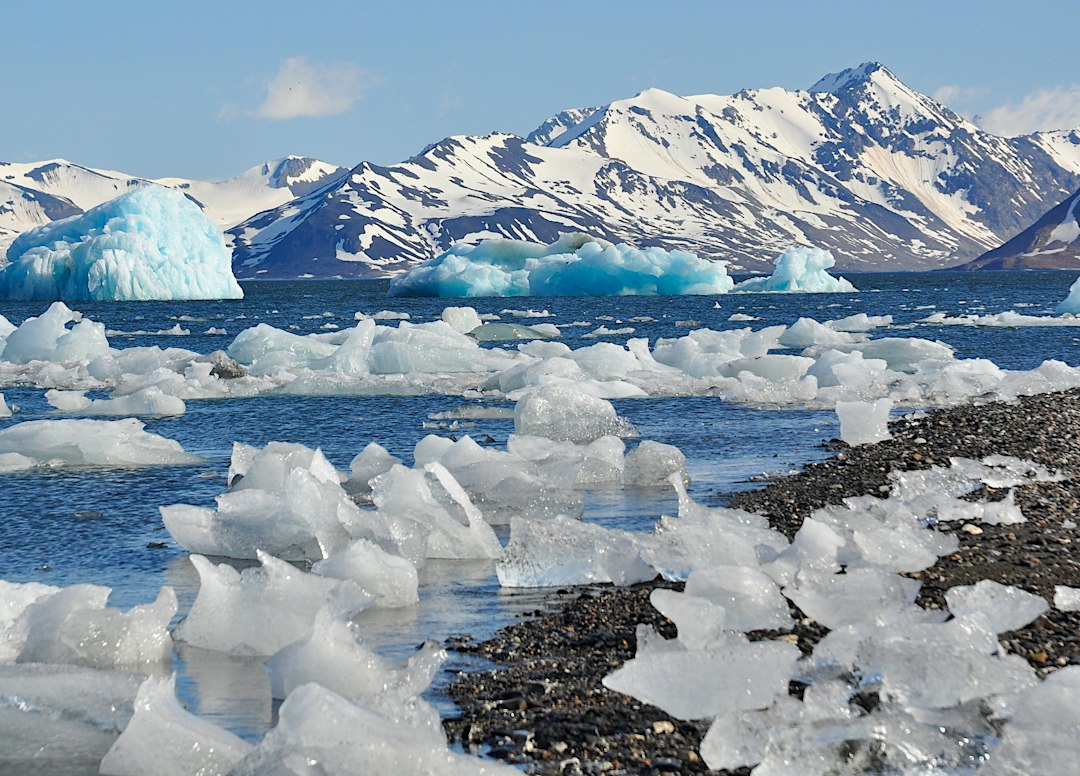
The ban goes beyond cats
The unusual regulation extends beyond cats, covering virtually all live mammals and birds. The restrictions are also linked to concerns over the introduction and spread of diseases, particularly rabies, as Svalbard works to maintain its disease-free status.
The official website of The Governor of Svalbard states, “You are not permitted to import live mammals and birds to Svalbard, with the exception of cage birds, rabbits and small rodents from Norway and Sweden and cage birds from Finland. The Norwegian Food Safety Authority can grant permission for importing a dog.”
The ecological logic
Svalbard’s ecosystem represents a delicate balance that has evolved over millennia. Just three terrestrial mammal species are native to Svalbard: polar bears, Arctic foxes and Svalbard reindeer. Introducing another species, such as domestic cats, could disturb this finely balanced ecosystem in ways that are difficult to predict.
The archipelago’s small-predator niche is already occupied by Arctic foxes, which are uniquely adapted to the harsh environment and form a natural part of the ecosystem. Introducing cats could lead to ecological chaos.
The cat ban also plays a role in safeguarding Svalbard’s fragile plant life. With Arctic vegetation growing at an exceptionally slow pace in the harsh climate, even minor disturbances can take years to recover from. The introduction of a new species could therefore place additional strain on the ecosystem and leave environmental impacts that persist for generations.


Catch your daily dose of Fashion, Taylor Swift, Health, Festivals, Travel, Relationship, Recipe and all the other Latest Lifestyle News on Hindustan Times Website and APPs.


