
 E-Paper



Healthy spaces: 5 interior design ideas to improve your mental health

 Prefer HTon Google


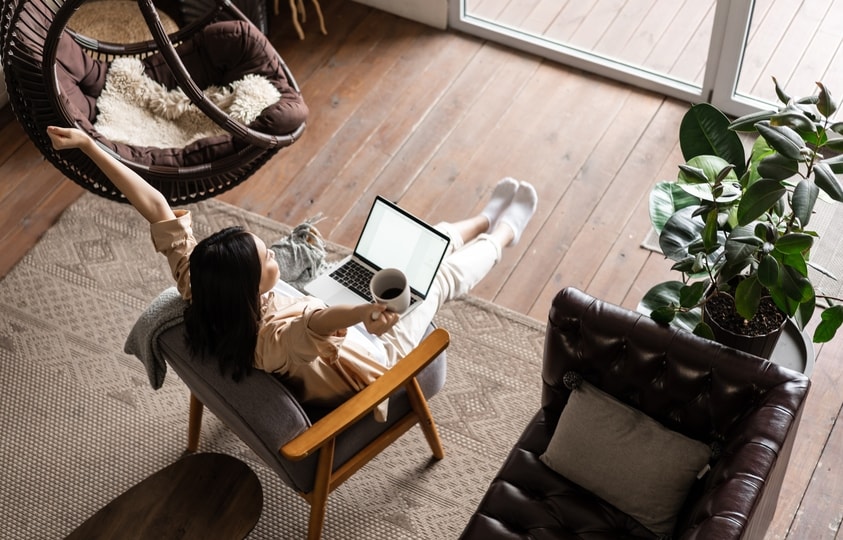
Discover how simple changes in your living environment can create a harmonious space that promotes relaxation, rejuvenation, and improve overall mental health.
In today's fast-paced and increasingly stressful world, finding solace within the walls of our homes has become more important than ever. The notion of home transcends the mere concept of shelter; it blossoms into a sanctuary that delicately nurtures our physical, emotional, and mental well-being. While aesthetics often takes centre stage, the power of interior design on our mental health should not be overlooked. Our living environment possesses the remarkable ability to uplift and inspire, shaping our mood and overall well-being. In this article, we embark on a journey to explore how interior design profoundly impacts our mental health, transforming our spaces into havens of serenity. (Also read: Home decor, interior design: Tips and tricks to cool-off your space this summer )
Interior design ideas to improve your mental health
Ekant Singh, Founder and CEO, Page 2813, shares with HT Lifestyle, five interior design ideas that can significantly enhance your mental health.
1. Embracing the radiance of natural light and the embrace of open spaces: An interior design that embraces the blessings of abundant natural light and spaciousness serves as a cornerstone for fostering mental well-being. Basking in the ethereal glow of natural light brings forth an array of benefits, including improved mood, heightened productivity, and a remarkable alleviation of depressive symptoms. Enveloping our living spaces with expansive windows and celestial skylights establishes an unbreakable connection to the wondrous world outside, infusing our beings with a profound sense of holistic well-being.
2. Enchantment of colour psychology: Colours hold the power to evoke emotions and shape our mental states. Cool hues like serene blues and verdant greens create a calming ambience, fostering relaxation. Warm tones like vibrant yellows and invigorating oranges ignite energy and positivity. Understanding colour psychology allows us to weave harmonious hues, uplifting our spirits and fostering equilibrium. However, individual preferences must also be honoured, as personal responses to colours vary.
3. Choreography of orderliness and the euphoria of clutter-free spaces: The physical state of our surroundings intimately influences the serenity of our mental realms. Cluttered spaces evoke stress, overwhelm, and worsen anxiety and depression. Conversely, an organized, clutter-free environment fosters serenity, and mental clarity, and minimizes distractions. By investing in practical storage solutions and embracing minimalist design principles, we create visually captivating and mentally soothing spaces.
4. Symphony of biophilic design: Incorporating elements of nature into our living spaces, known as biophilic design, has been scientifically proven to foster countless mental health benefits. As beings intrinsically intertwined with the natural world, nature elevates our moods and cognitive function when we bring it indoors. Embracing indoor plants, natural textures, and materials like wood creates a rejuvenating atmosphere. Nature views and scenic artwork provide a tranquil respite, reducing stress and unveiling serenity.
5. Sanctity of comfort and functionality: Designing our homes to encompass comfortable and functional spaces are vital for our mental well-being. Our homes should be sanctuaries where we can unwind, recharge, and engage in joyful self-care. Embracing ergonomic furniture, soft textiles, and personalizing spaces to reflect our preferences and hobbies creates an inviting and nurturing environment. Designating areas for rest, hobbies, work, and socializing establishes a harmonious balance, fostering a healthy equilibrium in our daily lives.
"The design of your living environment has a profound impact on your mental health and well-being. By embracing natural light, harnessing the power of colour, cultivating an organization, incorporating biophilic elements, and prioritizing comfort and functionality, you can create a home that nourishes your mind, body, and soul. Elevate your sanctuary, and let your living space become a haven of serenity and tranquillity where your mental well-being can flourish," concludes Ekant Singh.


