
 E-Paper



How to pick a good stainless steel pan: Tips from Swetha Sivakumar

 Prefer HTon Google


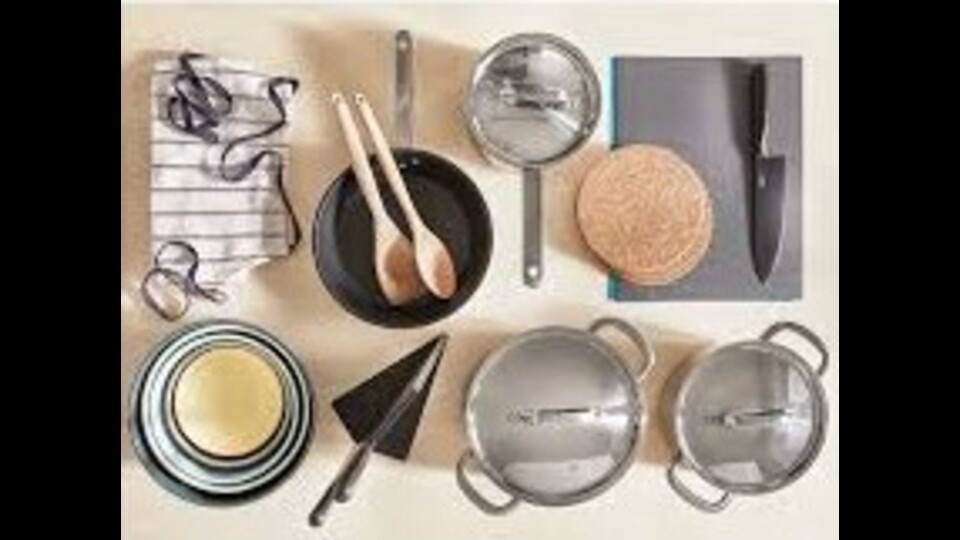
Buying a stainless steel pan invariably involves navigating numbers, grades and types. What do they mean? How does one choose? Take a look.
Stainless steel is typically labelled with tags such as SS304, SS316, SS431 etc. The numbers are a scientific classification that reflects the alloy content in the steel.
The 200 series uses very low levels of nickel (<0.75%) and uses manganese as a cost-cutting measure to achieve corrosion resistance. The 200 series is not as good as the 300 series, when it comes to cookware.
The 300 series is recognised as the highest caliber of food-grade stainless steel. Within this series, 304 stainless steel is available as 18/10 and 18/8 (which reflects the ratio of chromium and nickel, respectively, in the alloy). There is not much of a difference between these two in terms of performance.
Another popular 300 series is the SS316, also known as marine-grade stainless steel because of its ability to withstand corrosion in high-salt conditions.
The 400 series, similar to the 200 series, has almost no nickel. This series contains a variant called ferritic stainless steel (because it has magnetic properties), which is induction-cooking compatible. Due to the extremely low levels of nickel, however, this series is less corrosion-resistant.
Tri-ply stainless steel cookware labelled induction-compatible usually has stainless steel of the SS400 series on the bottom (to make the pan induction-compatible), aluminium in middle (for better heat conduction), and stainless steel of the SS300 series above (for better corrosion resistance). Tri-ply made using SS300 steel is not induction-compatible, but will work on a gas or electric stove.
Now, coming to the question of tri-ply or sandwich bottom, tri-ply is always better. It contains three layers of metal — two of stainless, with aluminium between them, all bonded together. The sandwich bottom only has a thick layer of aluminium bonded to the base. This causes uneven distribution of heat and can cause scorching on the sides.
I hope these tips prove helpful on your next cookware shopping trip!


