
 E-Paper



In photos: What did our fruits, vegetables look like thousands of years ago?

 Prefer HTon Google


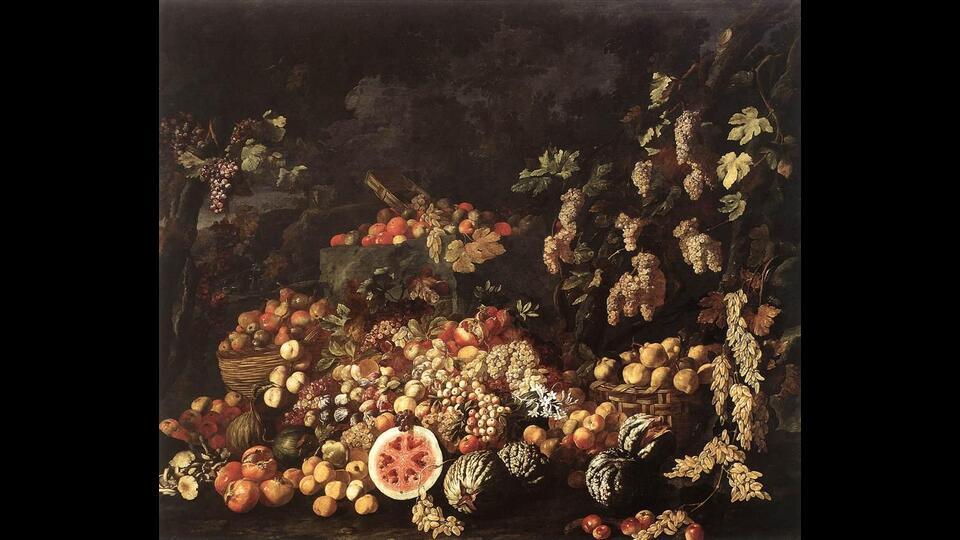
It’s taken aeons of effort to yield the produce we know today. See how different the peach, apple, watermelon and carrot looked when they started out.
.
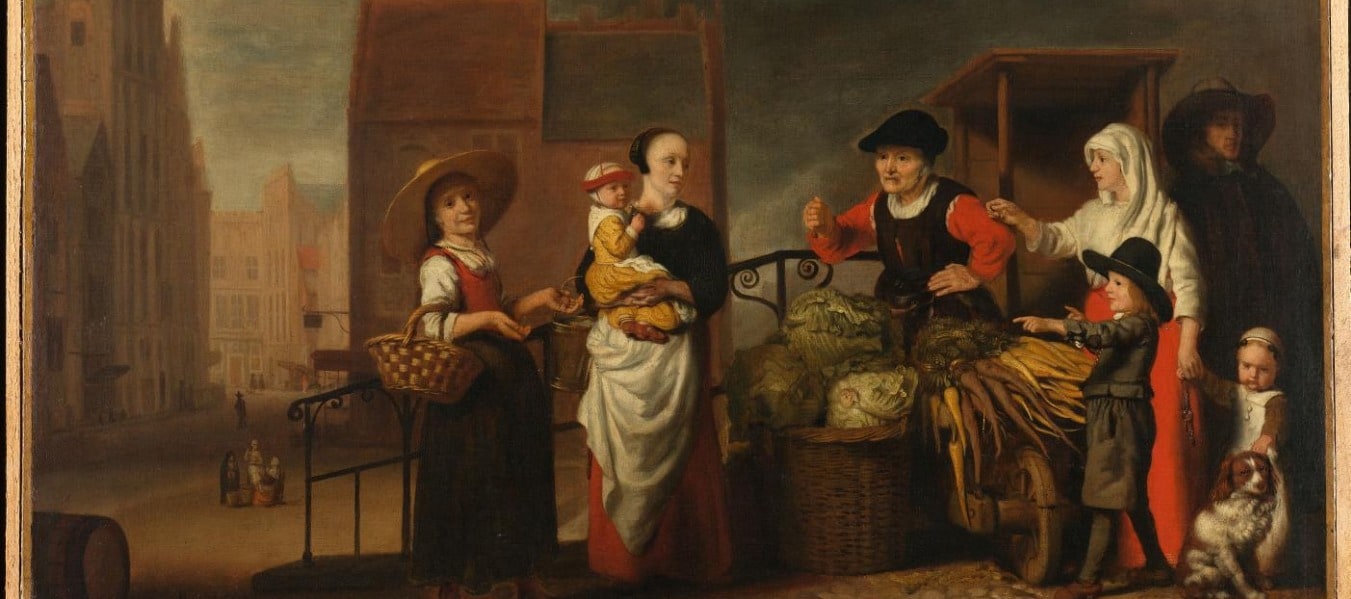
* CARROTS: The 17th century art work Vegetable Market by the Dutch painter Nicolaes Maes shows pale yellow and purple carrots still being sold. These were the earliest cultivated versions in Central Asia. Records show that the latter two varieties were being traded in Europe by the 12th century. The orange carrot would come about in Europe by the 15th century, as the white European wild variety was cross-bred with the popular yellow one.
.
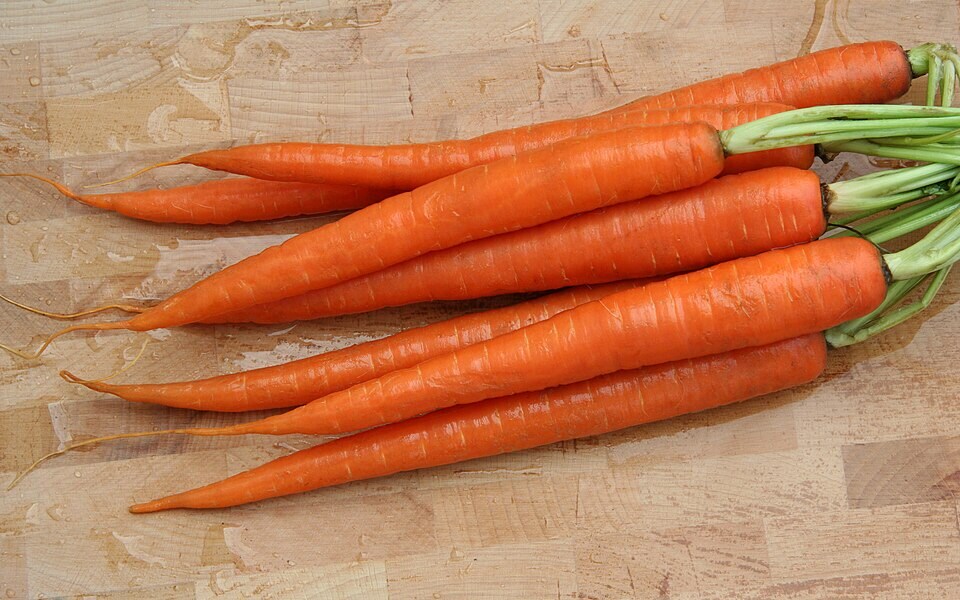
The orange carrot was instantly popular, because of its bright hue, large size and sweeter flavour profile. In cross-breeding of the yellow and white varieties, we had also inadvertently created a supremely healthy snack. At some point, the genetic variations caused carotenoids to accumulate in such high concentrations that they turned the whole root a vivid orange.
.
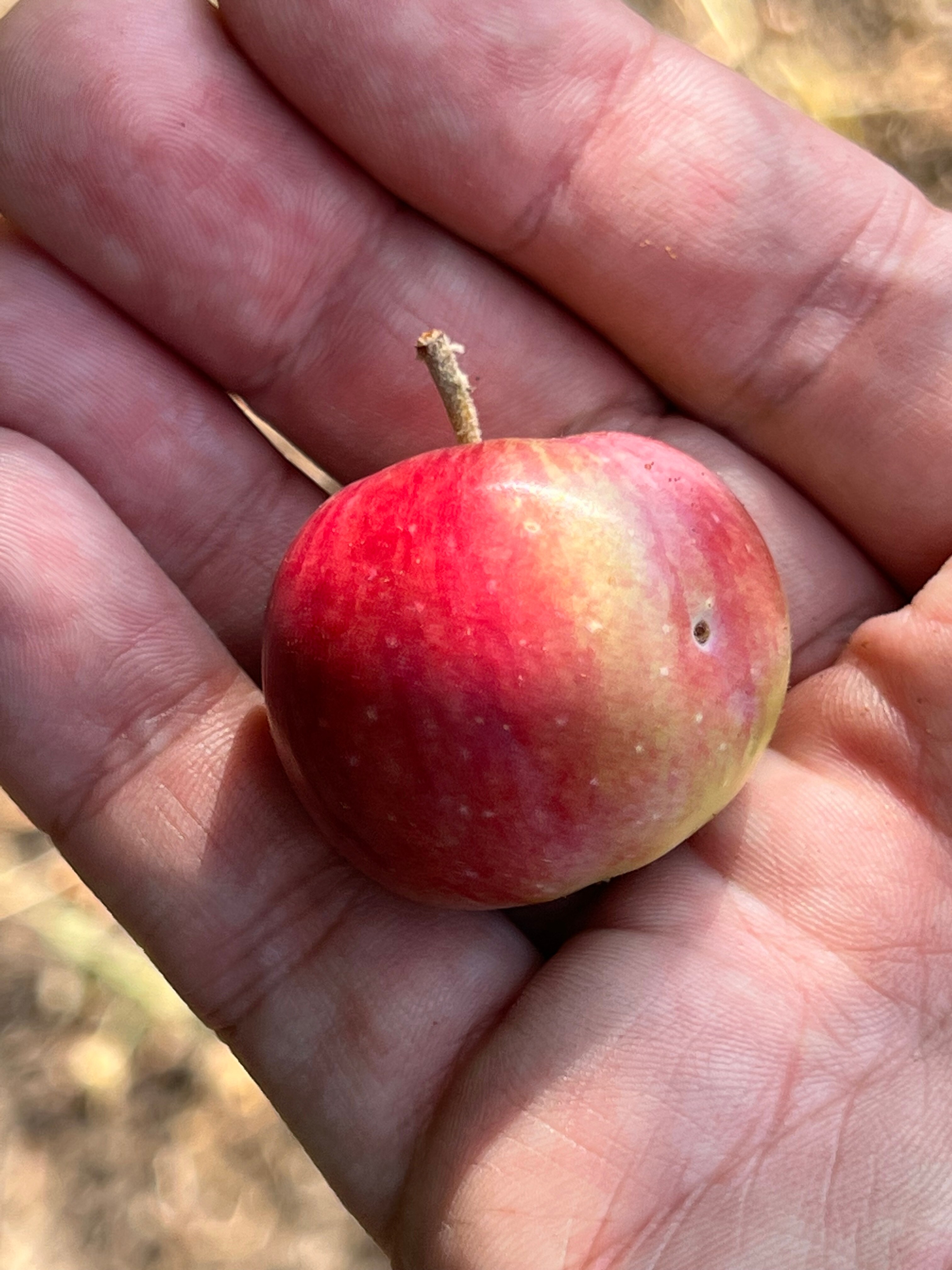
* APPLES: The ancestor of the modern apple is the Malus sieversii, which grew in Central Asia (and still grows in the cool mountains of Kazakhstan). These fruits the size of chicken eggs had red-and-yellow cheeks, and a flavour that was a mix of sweet and tart.
.
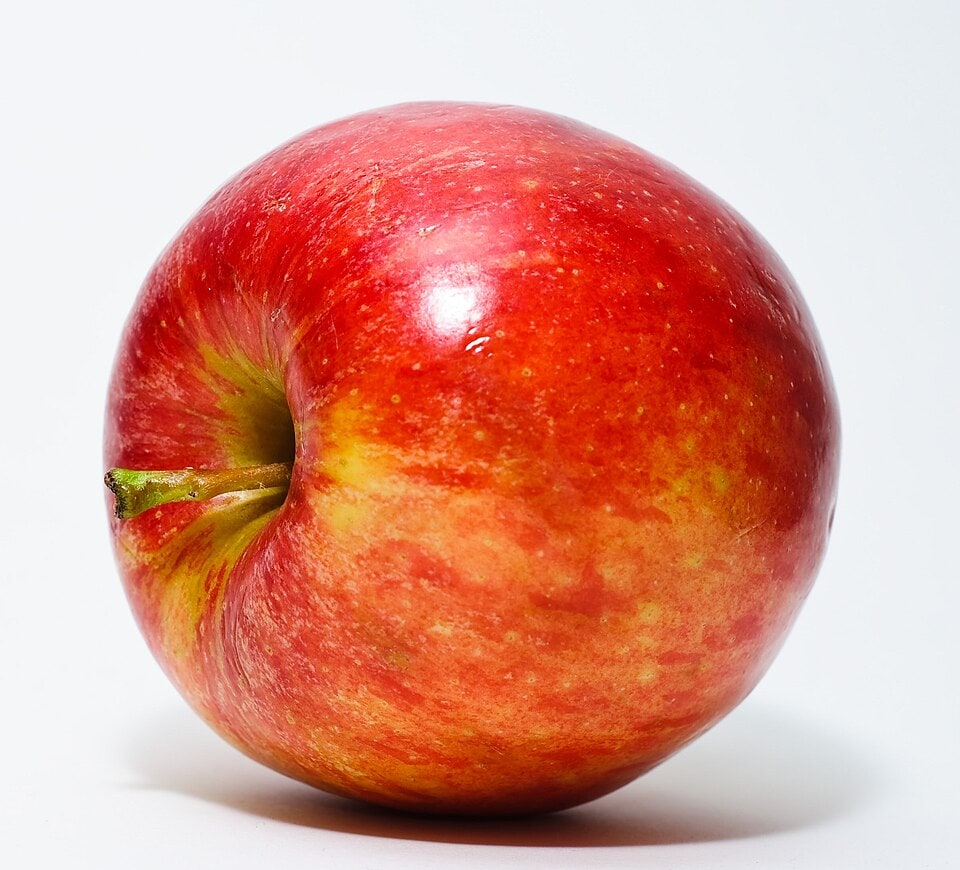
Even today, the largest, sweetest and reddest apples in Europe share genetic material with parent species from Central Asia. In a strange twist, the original Malus sieversii in Kazakhstan is now on the International Union for Conservation of Nature’s (IUCN’s) Red List of Threatened Species. Orchards growing its domesticated descendant, Malus domestica, are invading what is left of its territory.
.
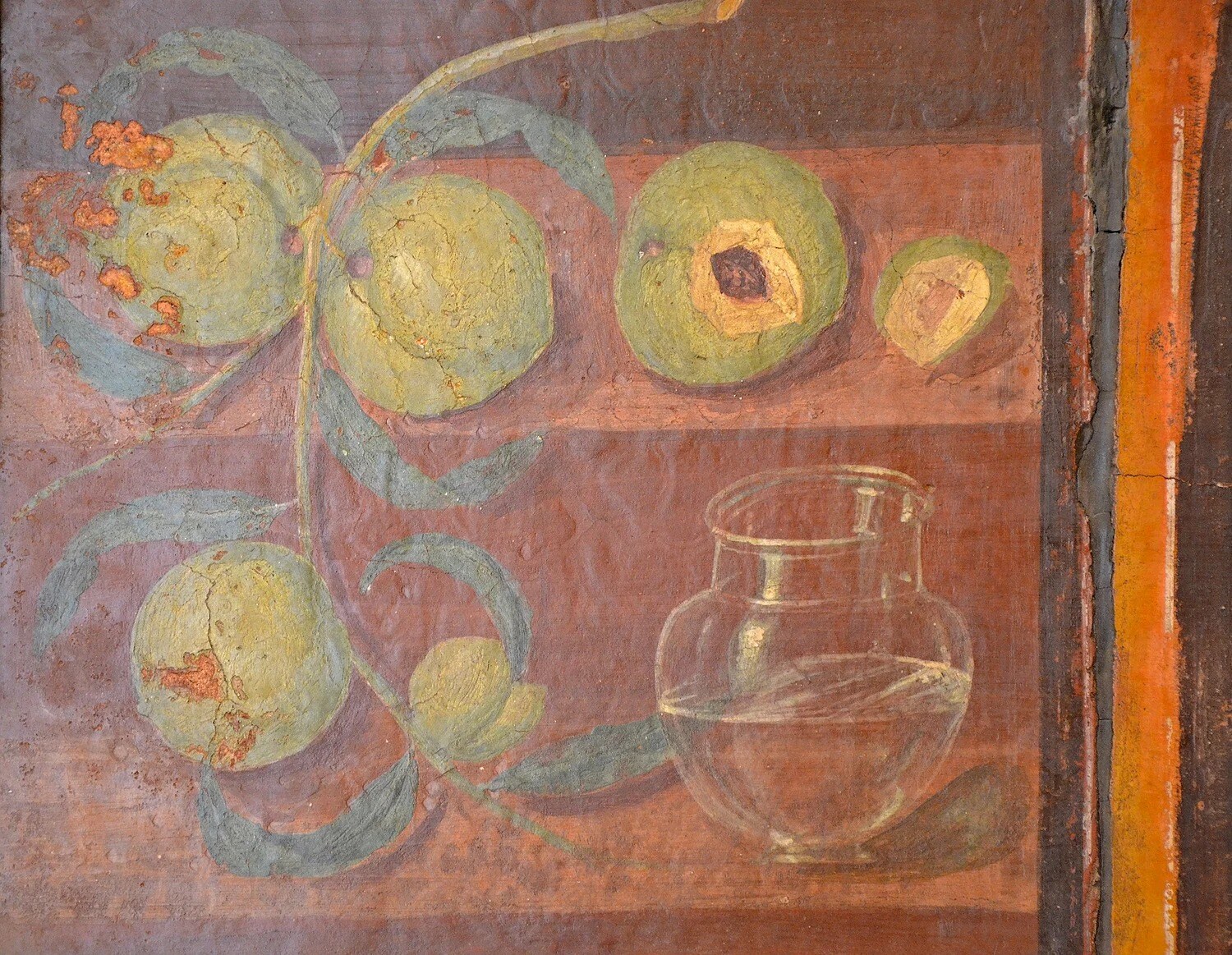
* PEACHES: A fresco in the Roman town of Herculaneum, created c. 50 CE, shows pale green peaches and a glass pitcher. There is evidence of such peaches being grown in China as far back as 7,500 years ago. These fruits were small, acidic and less fleshy, but were clearly popular, because they have been carefully cross-bred for centuries.
.
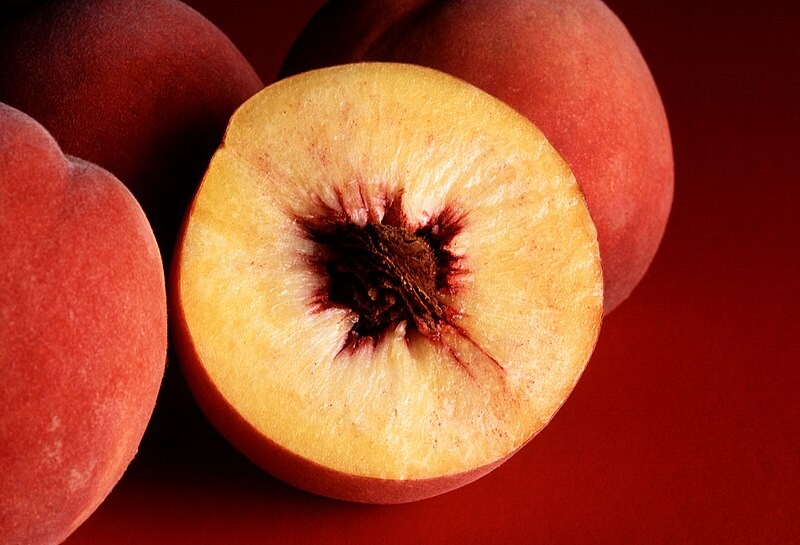
The fleshier, sweeter, orangey pink peaches we know are the result of targeted cross-breeding. In a side-effect, all the diversification proved beneficial to the plant. It is now a hardy, genetically diverse crop.
.
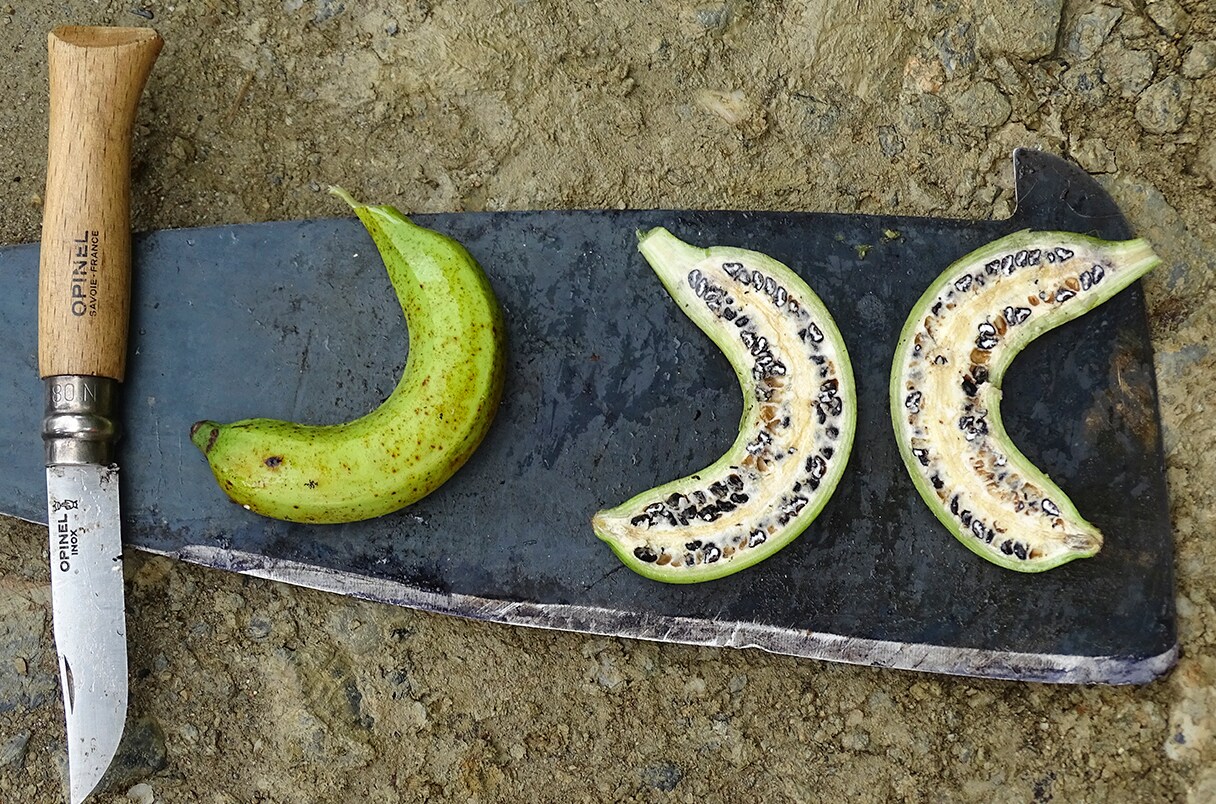
* BANANAS: Just 7,000 years ago, bananas were more or less inedible to humans. They were so fibrous that we couldn’t digest them, and were pitted with hundreds of large black seeds. Such bananas still grow in the wild, in regions such as Papua New Guinea; in Assam, Nagaland and Meghalaya in India; and in north-eastern Queensland in Australia.
.
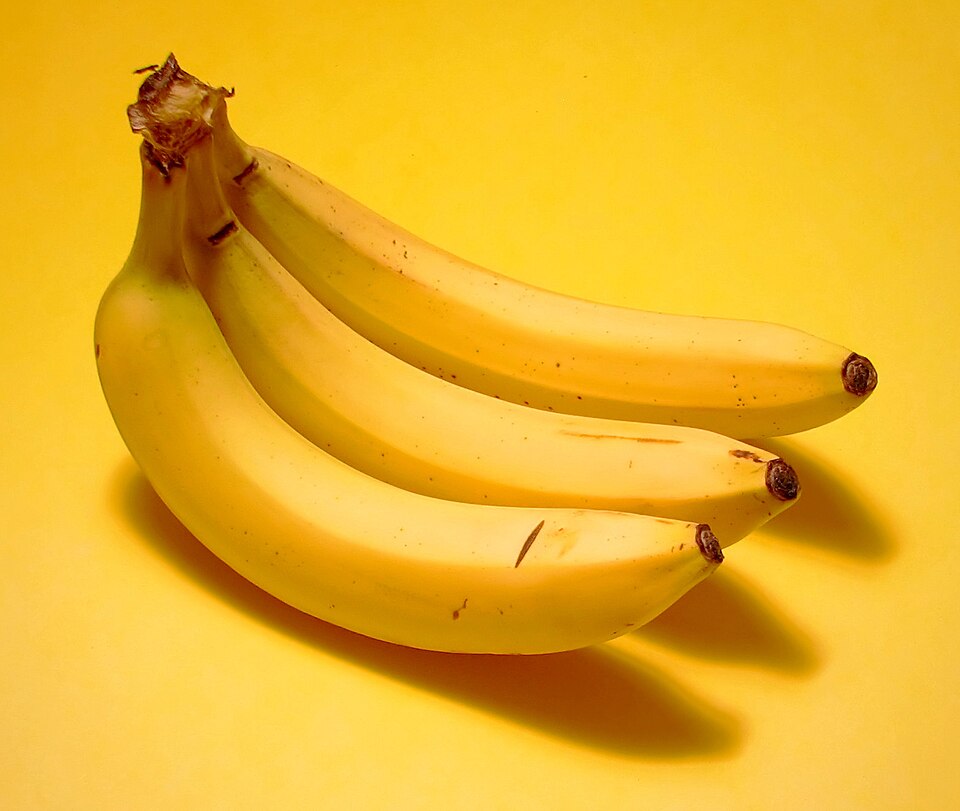
As humans homed in on seedless mutant varieties and bred them selectively, we got the smooth yellow fruit we know today.
.
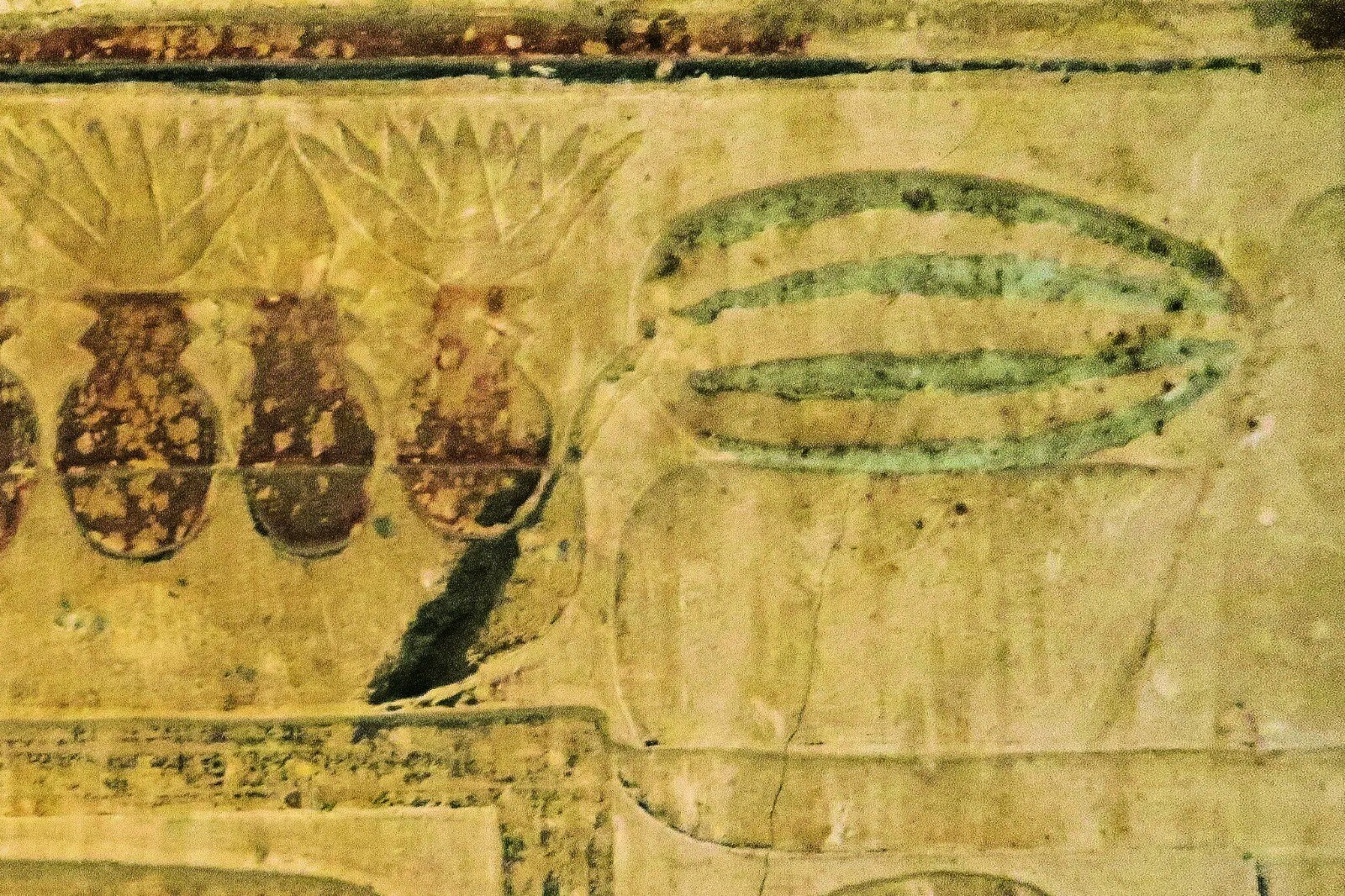
* WATERMELONS: This fruit was so prized, it was carved into depictions of feasts on temple and tomb walls in Ancient Egypt. This version of the watermelon, however, was smaller and oblong. The parent species of our watermelon has now been traced to the mildly flavoured, white-fleshed Kordofan melon native to Africa.
.
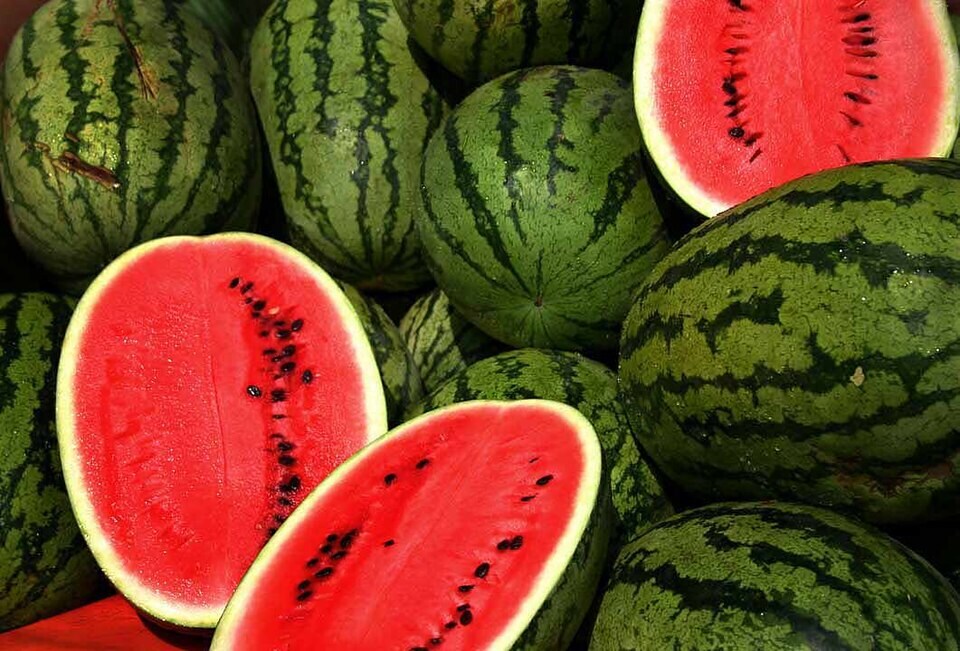
Most members of the watermelon genus are bitter. It was a genetic mutation in the Kordofan melon that tempered this bitterness. Over time, the fruit was selectively bred - making it larger, redder and sweeter, but also making it less genetically diverse, and less resistant to drought and disease. Scientists are now trying to reintroduce some of that lost genetic variety, with an eye on making this crop more climate-resistant.


