
Sign in

Sensory design: Alanna Panday's wedding designer spills the details on this decor trend

Sensory design transforms how we feel in spaces. From scent to sound, lighting to texture, each detail shapes emotion, creating immersive environments.

Published on: Nov 22, 2025, 16:00:04 IST
Share
Share via
  • facebook
  • twitter
  • linkedin
  • whatsapp
Copy link
  • copy link

Design is not just about how a space looks but about how it makes you feel. Imagine walking into a room that smells bad. No matter how beautiful the drapes are or how plush the rug feels, the space already feels off. That is the quiet strength of sensory design. Light is another cue we often underestimate. If it is too bright, it overwhelms. If it is too dim, it drains your energy.
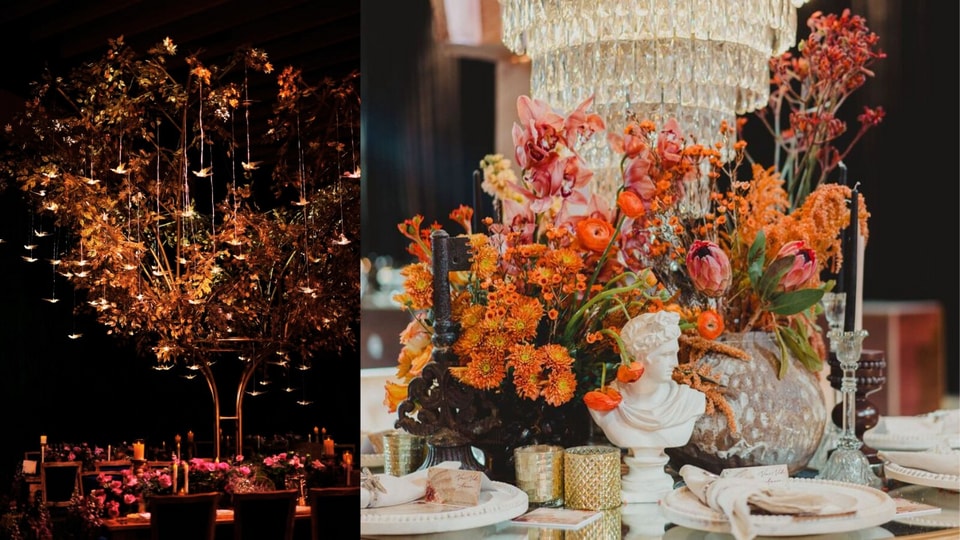
Designing for the senses goes beyond beauty, blending light, scent, sound, and texture to create spaces that feel deeply personal. (Ambika Gupta)
Neha Ravi Khandelwal

Neha Khandelwal
Content Lead, HT Travel | Travel & Lifestyle Journalist
With over 10 years of content writing experience, Neha Khandelwal is a lifestyle journalist and the Content Lead at HT Travel. She specialises in destinations, hotels, aviation, luggage, travel gear, and practical guides that help readers plan smarter and travel better. Her work combines first-hand experience, expert insights, and extensive research to create stories that are informative, useful, and easy to follow.

Career Journey & Experience
Neha began her writing career as a freelance journalist in 2010 before entering mainstream media with The Times of India in 2022. She later joined Hindustan Times, where she has written extensively across travel, lifestyle, home, and consumer trends. Her professional background extends beyond journalism. Before moving into digital media full-time, she spent nearly a decade in interior design, managing residential projects from concept to execution. She also trained in visual merchandising with Shoppers Stop and Pantaloons and worked with women-led startups across design and operations. These experiences continue to shape her storytelling, especially in how she evaluates hotels, design-led stays, hospitality spaces, and travel experiences.

A naturally curious learner, Neha has completed beginner certifications in pottery, scuba diving, baking, creative writing, and other creative pursuits. She has read more than 2,000 books, trained in Bharatanatyam for 8 years, and ghostwritten a book on Ladakh tourism.

Subject Expertise
Travel is at the heart of Neha's work. She covers destinations, hotels, airlines, luggage, packing strategies, travel accessories, and emerging travel trends through a mix of reporting, product testing, and conversations with industry experts. A frequent traveller herself, she approaches every trip with a journalist's curiosity and a planner's mindset, focusing on experiences that readers can realistically recreate. From choosing the right cabin bag to decoding hotel openings and destination trends, her writing prioritises practical advice over promotional claims. Her background in interior design also gives her a distinct perspective on architecture, hospitality design, boutique hotels, luxury stays, and thoughtfully designed spaces.

Education & Professional Background
Neha holds a Master's degree in Interior Design. Her early experience in interior design, visual merchandising, and design operations gives her a unique understanding of aesthetics, functionality, and user experience, adding depth to her coverage of hotels, resorts, and travel spaces.

Editorial Philosophy
"As an avid, research-driven traveller, my goal is simple. To answer the questions you actually have before booking a trip. I cut through the promotional noise with honest reporting and expert insights. Making travel planning seamless, smart, and reliable so you always know where to go next."

Read moreRead less

Over the years, as a student of design, I’ve learnt that every sensory detail, from scent to sound, shapes how we connect with our surroundings. A work desk needs clear, bright light to keep the mind alert, while a reading corner feels right only when it glows softly. Design, after all, is not just visual. It is a full sensory experience.

To understand how this idea plays out at scale, I spoke with Ambika Gupta, a luxury design specialist known for creating spaces that move people. From weddings inspired by Van Gogh’s paintings and Italian markets to film sets that tell stories through texture and light, her work transforms places into experiences. In her conversation with HT Shop Now, she explained how storytelling drives every decision.

The power of a sensory story

“Storytelling is at the heart of what we do,” Ambika said. Each project begins with understanding the people it celebrates. “To arrive at a foundational story, we learn the keynotes of the couple's relationship through an extensive questionnaire. We explore their shared journey, scents they love, destinations they adore, even a poem or song that connects them.”

That story becomes the base for every sensory layer. For one couple who loved apple picking, Ambika and her team recreated an orchard filled with the fragrance of ripe fruit. For influencer Alanna Panday’s Haldi, she built an Italian farmer’s market complete with fruit stalls, gelato carts and flower shops. Guests felt as though they had been whisked away to a sunlit piazza.

It is this attention to detail that makes her projects linger in memory. Every sound, texture and scent has a role to play, and when they come together, the experience feels complete.

Designing for the senses goes beyond just 3 dimensions (Ambika Gupta)

Balancing beauty and excess

In my own work, I’ve seen how easy it is to go overboard with one element and ignore the rest. Sensory design needs balance. It is like an equation, where each part has to work in proportion to the others. If most of the budget goes into furniture, leaving little room for lighting, scent or sound, the result feels flat. The goal is to let each layer support the next so the space feels natural and harmonious.

Ambika agrees. “A beautiful wedding evokes all six senses and not just five,” she said. “Once we understand what clients really want, we set out to exceed their expectations. I work with planners, caterers, photographers and every participant to ensure that design and experience align.” That alignment, she adds, is what makes guests remember a space long after they leave.

Designing for emotion and surprise

Ambika also believes surprise is one of the most powerful sensory tools. For Alanna Panday’s wedding, her team placed small glow lights along the aisle that lit up as the bride walked through. “She told us later that she loved that touch,” Ambika recalled.

For another wedding, they recreated Van Gogh’s Starry Night as a large-scale installation with stars projected above the guests. “Even the couple didn’t know what the décor would look like until they arrived,” she said. “When they looked up, it felt otherworldly.”

It is this emotional layering that makes sensory design meaningful. In homes or intimate gatherings, small gestures can create a similar feeling. A soft change in lighting through the evening or a scent that shifts from floral to woody can shape how people feel in subtle ways.

A new sensory future

Technology is adding a new dimension to design. Ambika is excited about how sound and touch will merge with innovation in the coming years. “Imagine sitting at a table, and when you touch your plate, you hear a musical note,” she said. “Or entering a garden where touching a plant triggers the sound of birds. These are memories that stay with you.”

The future of sensory design, in her view, lies in creating spaces that feel both human and interactive, blending art with emotion.

Ambika gupta talks shop on how to design for the senses (Ambika gupta)

How to bring sensory design into your own space

You don’t need a grand budget to design for the senses. A few thoughtful touches can make a big difference.

  1. Play with light. Use layers of lighting to set the mood. Keep it bright where focus is needed and soft where you want calm.
  2. Pay attention to the floor. Carpets, rugs or wooden flooring change how a space feels underfoot. Texture brings warmth and comfort.
  3. Add sound naturally. A wind chime, a tabletop fountain, or even leafy plants rustling in the breeze can create a gentle rhythm.
  4. Think scent, too. Ambika suggests using a fragrance that reflects the space's mood. “For a dinner, something subtle like citrus or neroli works beautifully,” she said. “It makes guests feel welcome without overpowering the room.”

Designing for the senses is about creating harmony. It’s when the light feels right, the air smells inviting, and the sounds around you fall into place.

That is when a space stops being just beautiful and it begins to feel alive.

Why vintage decor is making a comeback: Textile museum designer Ravisha Merchant weighs in

8 easy ways to use mirrors to make a small space look bigger

Colour theory for your home: How to set the mood with the right palette

The author of this article holds a Master's Degree in Interior Design and has spent over a decade in research, teaching, and designing homes from scratch.

Disclaimer: At Hindustan Times, we help you stay up-to-date with the latest trends and products. Hindustan Times has an affiliate partnership, so we may get a part of the revenue when you make a purchase. We shall not be liable for any claim under applicable laws, including but not limited to the Consumer Protection Act, 2019, concerning the products. The products listed in this article are in no particular order of priority.

  • Neha Khandelwal
    ABOUT THE AUTHOR
    Neha Khandelwal

    Neha Khandelwal Content Lead, HT Travel | Travel & Lifestyle Journalist With over 10 years of content writing experience, Neha Khandelwal is a lifestyle journalist and the Content Lead at HT Travel. She specialises in destinations, hotels, aviation, luggage, travel gear, and practical guides that help readers plan smarter and travel better. Her work combines first-hand experience, expert insights, and extensive research to create stories that are informative, useful, and easy to follow. Career Journey & Experience Neha began her writing career as a freelance journalist in 2010 before entering mainstream media with The Times of India in 2022. She later joined Hindustan Times, where she has written extensively across travel, lifestyle, home, and consumer trends. Her professional background extends beyond journalism. Before moving into digital media full-time, she spent nearly a decade in interior design, managing residential projects from concept to execution. She also trained in visual merchandising with Shoppers Stop and Pantaloons and worked with women-led startups across design and operations. These experiences continue to shape her storytelling, especially in how she evaluates hotels, design-led stays, hospitality spaces, and travel experiences. A naturally curious learner, Neha has completed beginner certifications in pottery, scuba diving, baking, creative writing, and other creative pursuits. She has read more than 2,000 books, trained in Bharatanatyam for 8 years, and ghostwritten a book on Ladakh tourism. Subject Expertise Travel is at the heart of Neha's work. She covers destinations, hotels, airlines, luggage, packing strategies, travel accessories, and emerging travel trends through a mix of reporting, product testing, and conversations with industry experts. A frequent traveller herself, she approaches every trip with a journalist's curiosity and a planner's mindset, focusing on experiences that readers can realistically recreate. From choosing the right cabin bag to decoding hotel openings and destination trends, her writing prioritises practical advice over promotional claims. Her background in interior design also gives her a distinct perspective on architecture, hospitality design, boutique hotels, luxury stays, and thoughtfully designed spaces. Education & Professional Background Neha holds a Master's degree in Interior Design. Her early experience in interior design, visual merchandising, and design operations gives her a unique understanding of aesthetics, functionality, and user experience, adding depth to her coverage of hotels, resorts, and travel spaces. Editorial Philosophy "As an avid, research-driven traveller, my goal is simple. To answer the questions you actually have before booking a trip. I cut through the promotional noise with honest reporting and expert insights. Making travel planning seamless, smart, and reliable so you always know where to go next."Read More

Explore the latest Lifestyle News on health, fashion, travel, relationships, food and festivals. Find useful tips, expert advice, trends and inspiring stories for everyday living.