
 E-Paper



Skip the restaurant rush: How to host a grand Onam Sadhya feast at home in style
Celebrate Onam this August 26, 2026, with an authentic DIY home Sadhya. Skip the crazy restaurant queues with must-have festive servingware, bowls, and brass.

 Prefer HTon Google


Research-Backed Choices
Every product we recommend is chosen through a combination of Primary Research and Secondary Research.
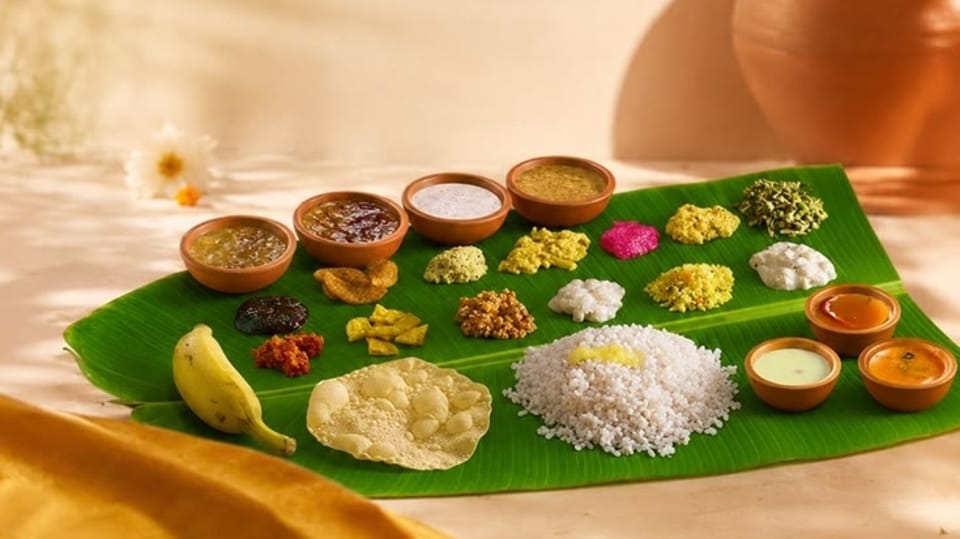

There is an undeniable, electric energy in the air when Onam arrives. The vibrant Pookkalam flower carpets grace doorways, the scent of crushed curry leaves and coconut oil drifts through the kitchen, and families gather in crisp off-white and gold Kasavu attire.
As Onam falls on August 26, 2026, the urge to celebrate with a grand 26-dish Sadhya (the traditional vegetarian banquet served on a banana leaf) is stronger than ever. But if you’ve ever tried booking a restaurant table on Onam day, you know the reality: endless waiting lines, packed dining rooms, rushed multi-course seatings, and lukewarm curries served in a hurry.
Hosting your own Sadhya at home completely changes the story. It turns a chaotic meal out into a heartwarming family ritual. You get to cook or cater at your own pace, enjoy second (and third!) helpings of hot Payasam, sit comfortably for hours without a waiter hovering for your table, and truly soak in the festive joy with the people who matter most.
The anatomy of a perfect setup: Tableware that saves the day
A true Sadhya is an art form, and the presentation is just as vital as the flavour. While fresh green banana leaves are the non-negotiable heart of the feast, serving over twenty different liquid curries, fried snacks, and sweet puddings straight out of mismatched plastic takeaway containers or heavy cooking pots can quickly lead to dining room chaos.
To pull off a seamless, stress-free feast for your family, having the right servingware, prep dishes, and cutlery on hand transforms your dining table into a palace banquet.
1. Traditional Kansa (Bronze) and Brass Bowls
Before the feast even begins, your Payasams (desserts) and delicate gravies need a warm, inviting home.
The Story: In traditional Kerala homes, grand feasts were always served alongside glowing brass Urulis and heavy Kansa bowls. Kansa (bell metal) is prized not just for its rich golden sheen, but for its natural temperature-retaining properties.
Why You Need It: Keeping your Palada Pradhaman or Ada Pradhaman in heavy bronze bowls keeps them warm throughout the meal without needing constant trips back to the stove.
Pro Tip: Place two small Kansa bowls at the top right of each diner's spot for mess-free dessert enjoyment!
2. Mini Ceramic Ramekins and Chutney Dishes
A Sadhya is a balance of six distinct tastes: sweet, sour, salty, bitter, pungent, and astringent. This means small-portion sides like Inji Puli (ginger-tamarind concentrate), Kadu Mango Pickle, and Lime Pickle pack intense flavor in tiny quantities.
The Story: When serving a large group, trying to spoon sticky tamarind chutneys out of giant mason jars while passing them around the table leads to spills and messy fingers.
Why You Need It: Pre-portioning your chutneys, pickles, and crisp Banana Chips into colorful mini ceramic ramekins before guests take their seats makes table service effortless.
Pro Tip: Set up a "plating station" in the kitchen with these mini dishes lined up. It cuts down your serving time by half!
3. Deep-Contoured Stainless Steel and Brass Ladles
Pouring hot Sambar, spicy Rasam, and melted Ghee over steaming Matta rice requires absolute precision.
The Story: Shallow soup spoons or wide serving spoons often cause hot gravies to drip across your clean tablecloth or tear the delicate surface of the banana leaf.
Why You Need It: Deep, angled ladles with pour-spouts give you total control over fluid curries, allowing single, clean pours right onto the center of the rice stack.
Pro Tip: Assign one dedicated ladle to each major liquid dish (Parippu, Sambar, Rasam, Morucurry) so flavors don't cross-contaminate.
4. Woven Bamboo Placemats and Banana Leaf Tray Bases
Fresh banana leaves are beautiful, eco-friendly, and impart a subtle fresh fragrance to hot rice, but on a smooth glass or polished wood dining table, they can slide around or tear under heavy spoon pressure.
The Story: There's nothing worse than a guest accidentally tearing their leaf mid-meal and having delicious Rasam seep onto the table.
Why You Need It: Woven bamboo placemats or flat rectangular platter bases give your natural banana leaves a firm, non-slip backing while protecting your furniture from heat and moisture.
Pro Tip: Wipe down fresh banana leaves with a damp cloth and warm them gently over a open flame for 2 seconds before serving, this makes the leaves pliable, glossy, and tear-resistant!
Must-haves for DIY Onam Sadhya:
Step-by-step: Laying out your leaf like a Kerala native:
Serving a Sadhya follows a centuries-old culinary order designed to optimise digestion and flavour progression. Here is how to lay out the leaf like a seasoned host:
Leaf Positioning: Always lay the banana leaf so that the narrow, tapered end points toward the diner's left hand.
Top Left Corner (Salt and Small Bites): Start at the top left with a pinch of pure salt. Right next to it, place Upperi (crispy banana chips), Sharkara Varatti (jaggery-coated banana chips), Papadum, and small dollops of Inji Puli and mango pickle.
Top Right Corner (The Vegetable Sides): Moving along the top right edge, place your dry and semi-dry vegetable curries in order: Thoran (coconut stir-fry), Olan (ash gourd in coconut milk), Avial (mixed vegetable coconut curry), Pachadi (yogurt-beetroot side), and Kichadi.
Bottom Center (The Main Course Sequence):
Scoop a warm mound of boiled Kerala Matta Rice into the bottom center.
Course 1: Pour yellow Parippu (dal) over the rice, topped with a generous drizzle of warm Ghee.
Course 2: Serve piping hot vegetable Sambar.
Course 3: Pour tangy, spiced Rasam.
Course 4: Finish the savory meal with soothing Morucurry (seasoned buttermilk).
The Sweet Finale: Serve rich, warm Payasam directly onto the leaf (or in your beautiful Kansa bowls) for guests to enjoy with crushed papadums and banana!
Similar stories for you:
Balloon Pants: Fashion risk or the coolest trouser trend right now? 8 picks to rock this style
10 office tote bags that fit your laptop and daily essentials
Disclaimer: At Hindustan Times, we help you stay up-to-date with the latest trends and products. Hindustan Times has an affiliate partnership, so we may get a part of the revenue when you make a purchase. We shall not be liable for any claim under applicable laws, including but not limited to the Consumer Protection Act, 2019, with respect to the products. The products listed in this article are in no particular order of priority.


