
 E-Paper



World Toilet Day (November 19): The artists and their artsy toilets

 Prefer HTon Google


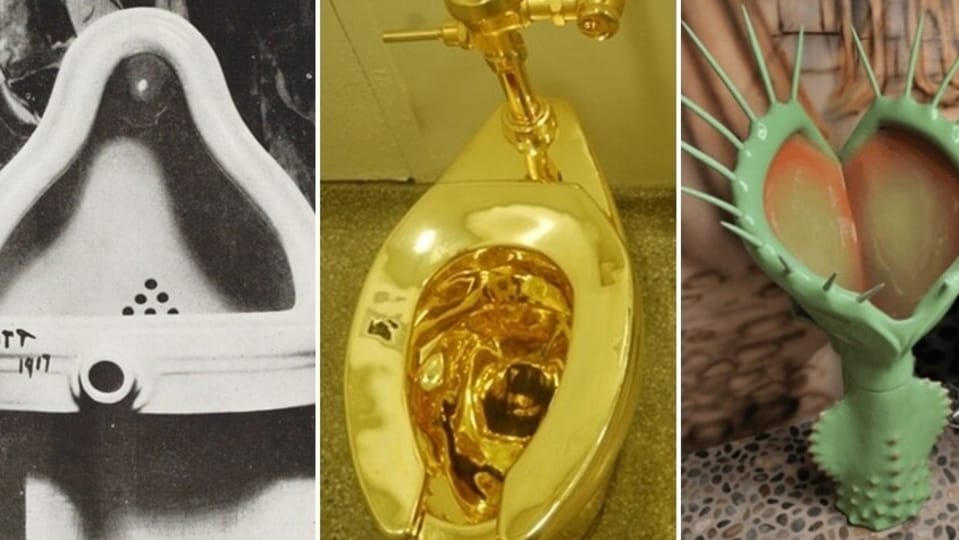
On World Toilet Day (November 19), let’s look at the more artsy - and funky - toilets across the globe
Call it a Johns, a P-Mate, a She-Pee, a Bog, a Cludgie, Crapper, House of Office, Khazi, The Pissoir, the Net or the Privy, toilets and urinals were never the prettiest of things. The Sumerians in Mesopotamia built the oldest toilets known to date between 3,500 and 3,000 B.C. but it took eons to get the plumbing - and the vocabulary right (the Victorians were too ashamed to call a poop place, a poop place, they gave it a common name: Johns!). It was not until the second half of the 19th century that the flushing toilet began to establish itself in Europe and things changed for good. (Also read | World Toilet Day 2023: Date, history and significance)
And then the artists stepped in to make more artsy - and funky - toilets! Here are a few of them.
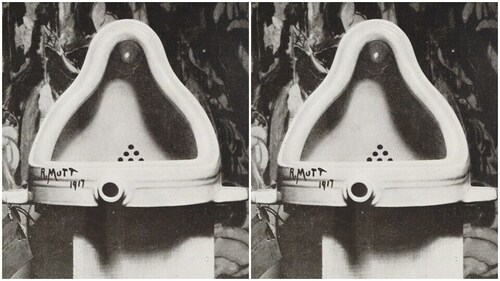
Marcel Duchamp’s Fountain: It is a piddle that rocked the art world in 1917. Marcel Duchamp, with the help of several friends, submitted a porcelain urinal to an exhibition held by the Society of Independent Artists in New York. Duchamp had purchased the urinal from a store that sold plumbing fixtures, named it Fountain and signed with a fictional ‘R. Mutt’. The art show’s association was compelled to accept the urinal submission as per the rules, but Duchamp’s urinal was hidden from view during the actual exhibition.
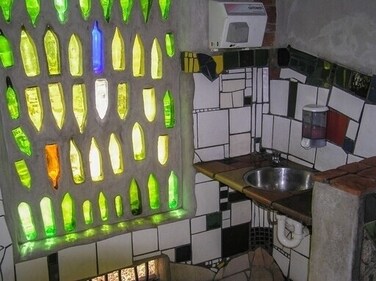
Artsy Kawakawa toilets in New Zealand: If you see a sign in New Zealand that reads Hundertwasser Toilets, just stop, even if the bladder is not full. These public restrooms designed by Austrian artist Friedensreich Hundertwasser are a sight for sore eyes. First visiting New Zealand in the 1970s for an exhibition of his work, Hundertwasser decided to make the country his second home and bought property on the Waikare inlet, east of Kawakawa. In 1999, the pretty public restrooms with multi-coloured tile collages and undulating lines, and recycled bottles that create a psychedelic design were opened and since then are the town’s biggest tourist attraction. The quirky loos are the only existing, standalone public toilets to be listed as a Category 1 historic place by Heritage NZ Pouhere Taonga.
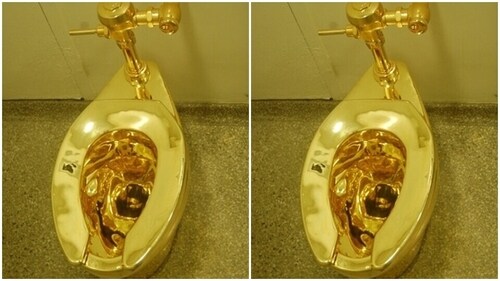
18-carat Gold Toilet by Maurizio Cattelan: In 2016, Italian artist Maurizio Cattelan turned an ordinary public restroom in New York’s Guggenheim Museum into an all 18-carat gold beauty. Called America, the 196-pound gold toilet was interactive and visitors were invited to interact with it ‘individually and privately. People actually queued for a golden poop day. In September 2019, a gang of 7, ripped off the golden toilet from Blenheim Palace (England) where the toilet was part of a Cattelan exhibition but was stolen before his show opened. Valued at $6 million, the gold toilet is still missing with the police announcing this August that there been a ‘major breakthrough’ in solving the toilet heist.
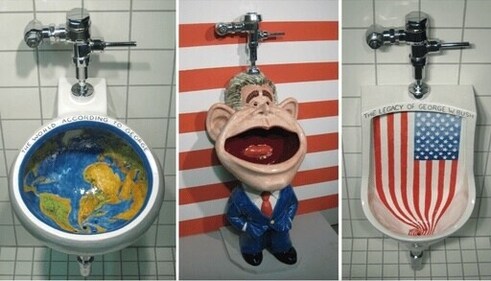
Tulips, hibiscus, George Bush urinals by Clark Sorensen: Inspired by nature (and the call of it!), Clark Sorensen turns peeing into a floral expression. Pink tulips, red hibiscus, a menacing green Venus fly trap, a lavender orchid, Sorensen turns restrooms into art galleries. With a degree in Sculpture, Sorensen says his current work combines beauty with function… “I’m becoming known as the urinal man, but I’m fine with that,” admits the San Francisco-based artist whose urinals have made it to solo and group shows throughout California and the globe including Hungary and South Korea; his urinals and sinks have been installed in private homes and commercial settings in countless countries.
Toilets by Robert Arneson: In the early 1960s, American artist Robert Arneson sculpted several artistic toilets including funky designs like Male and female genitalia, the penile flush handle and enlarged breasts in His and Hers. Arneson, often considered a founding father of Funk Art, paved the way for a new Californian aesthetic, which is still hugely influential in ceramics and beyond.


