
 E-Paper



Rude Food by Vir Sanghvi: Masala in your pasta?

 Prefer HTon Google


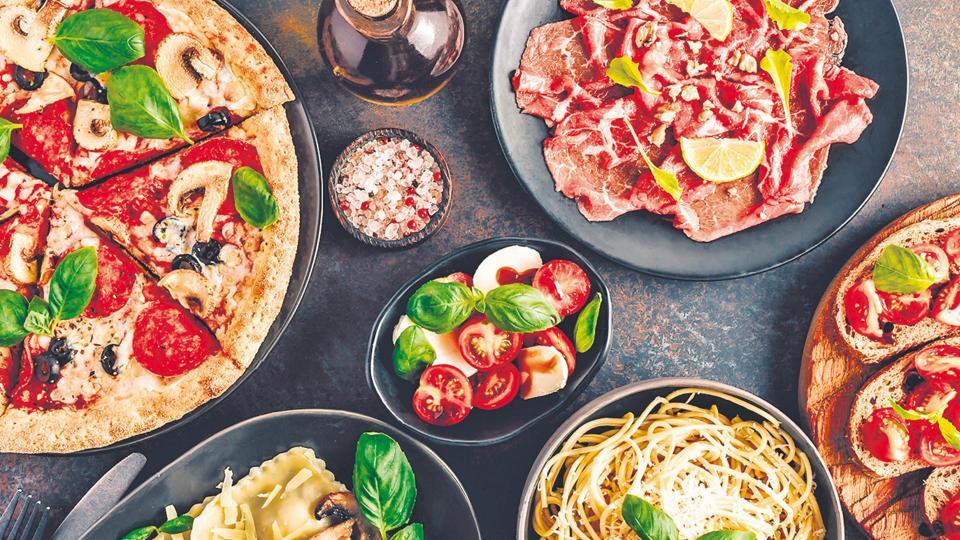
Indian chefs are capable of creating authentic Italian meals. But across the country, diners prefer food with a local, saucy, spicy twist
It was having lunch at the café at Delhi’s Italian Cultural Centre that got me thinking. The café is part of the Cultural Centre which itself is part of the Italian embassy. So its daily clientele is about 60% Italians and 40 % other nationalities, of which, Indians are the highest number as you would expect. The Italians come for the food, which is authentic and reasonably priced. I have even heard it described as the best casual Italian cuisine in Delhi.
Though you can hear Italian spoken all around you (by the guests) nobody speaks Italian in the kitchen. All of the staff—servers, cooks, pantry-workers etc.—are Indians. Most of them have never ever been to Italy. Very few (if any) even went to catering college. Some started out at the very bottom of the kitchen hierarchy; many can barely speak English.
So here’s my question: If these guys can turn out food that is so authentic that even Italians flock to eat it, why is so much of the Italian food in India so bad?
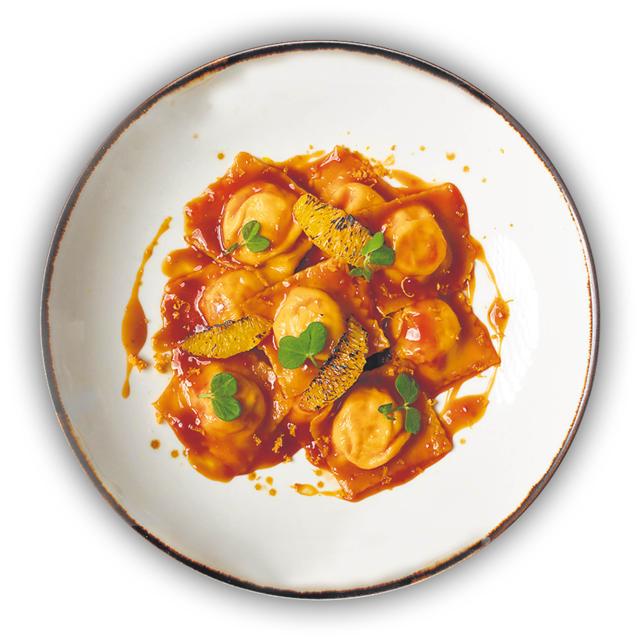
Occasionally, you will find an expatriate Italian chef who is good, but even at most five-star hotels, the food is pretty dismal, and many of the Italian chefs who come to Indian hotels arrive via Manila or Bali or Phuket, and may have difficulty finding employment at good restaurants in their own country.
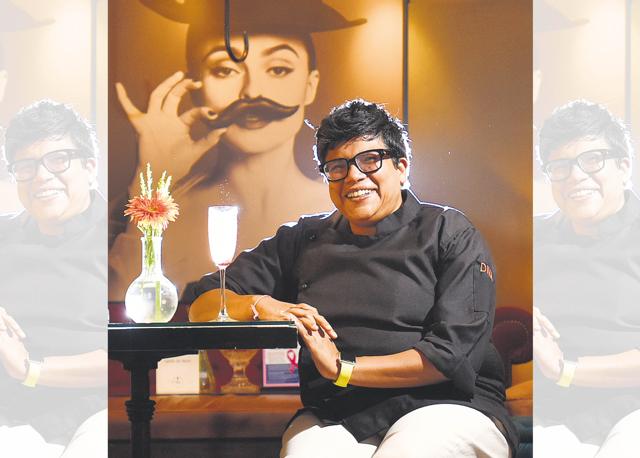
Yet, as the Café at the Cultural Centre demonstrates, Italian food is not that hard to cook. The Cafe’s chefs have not been trained by Italians. Most have learned how to make Italian food from Ritu Dalmia who runs the café (and caters the Embassy’s most prestigious banquets).
The more I thought about it, the more clear it seemed to be. It is hard to get authentic Italian food in India not because it is difficult to cook. It is because Indians don’t really want authentic Italian food. They want to eat Indian-Italian. The restaurants serve what the market desires. The chefs don’t bother to learn to make the real thing. And expat chefs with only moderate talent flourish in this environment because they learn how to cook Indian-Italian. The few top chefs who make the real thing stick to the top restaurants (Vetro, Le Cirque etc) where they can cook for international travellers and the relatively few Indians who want authentic Italian food.
Just as we have Indian-Chinese, which bears no resemblance to real Chinese food, I think we now also have Indian-Italian. It’s a cuisine that consists of heavily tweaked dishes, with flavours that are influenced by Italian food, but which have now become basically Indian.
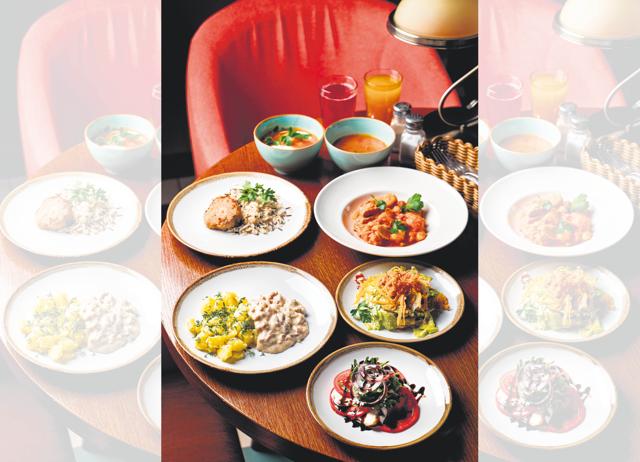
This is not as shocking as it may sound. Just as most countries have their own versions of Chinese food, they also have their home-grown Italian cuisines. The trend started in America, where Italian immigrants first tried serving the food they ate at home, then quickly abandoned that to give Americans something that suited their tastes more.
A new cuisine developed, full of such dishes as Spaghetti with Meatballs, the recipe for which was created in America. Even the pizzas that were popularised in the US bore little resemblance to the Naples pizzas the immigrants had left behind.
When the cuisine finally went upmarket, it followed its own largely American path. Pasta Alfredo, a dish that was popular at a single restaurant in Rome (which was frequented by Americans) and did not appear on most Italian menus became the most popular pasta in America. Pasta Primavera was invented in New York.
Something similar happened in the UK, where Spaghetti Bolognese (based only slightly on a ragu served in Bologna) became the most popular Italian dish. Later, in the Sixties, when Italian became the trendy cuisine in London, many Anglo-Italian dishes were invented by two former waiters called Mario Cassandro and Franco Lagotella, who became famous for serving such dishes as Chicken Sorpresa (Chicken Kiev with an Italian accent) which were unknown in Italy.
There is a difference, though. The American-Italian restaurants and Mario and Frenco’s trendy places all had Italians in the kitchen and pretended they were serving real Italian food even when they were not.
In India, we don’t pretend. Yes the food at most of our Italian restaurants is bogus, but the real centres of Italian cuisine are places that don’t even pretend to be Italian. They cook pizzas, not because they want to remind customers of Naples, but because pizzas form a good base for any spicy ingredient: I have seen masala pizzas, curry-topped pizzas, tandoori pizzas and even Jain chicken pizzas (lots of chicken, no onions and garlic).
More significantly, Indian cooks (many on the streets) have taken some key elements of Italian cuisine and built a new cuisine around them. Chief among them is cheese. Cheese is not a part of any Indian cuisine (unless you count paneer) and yet it is now ubiquitous in Indian street food and snack food. It used to be found in India at pizza places but now cheese turns up everywhere: from dosas to patties to samosas to pav bhaji to momos.
So it is with the tomato. It was not used much in Indian food until the 20th Century. But now, it has become a modern staple. In the beginning, it was just chopped tomatoes added to sabzis or dal. But now, rather like the Italians, we buy Italian-style tomato purée and tomato sauces and add them to all kinds of dishes.
Just three decades ago, who would have thought that the basic ingredients of pizza and of many pastas —cheese and tomatoes —would come to dominate many of the newer dishes that are being created on the street and at snack bars? The creators of these new dishes don’t care about them being called Italian. They just purloin Italian flavours and ingredients and place them in an Indian context.
What this means is that when our restaurants serve ‘Italian’ food, they have to incorporate and ramp up these flavours. That’s why most Italian food in India is over-seasoned, over-liquidy, full of tomatoes and coated with cheese.
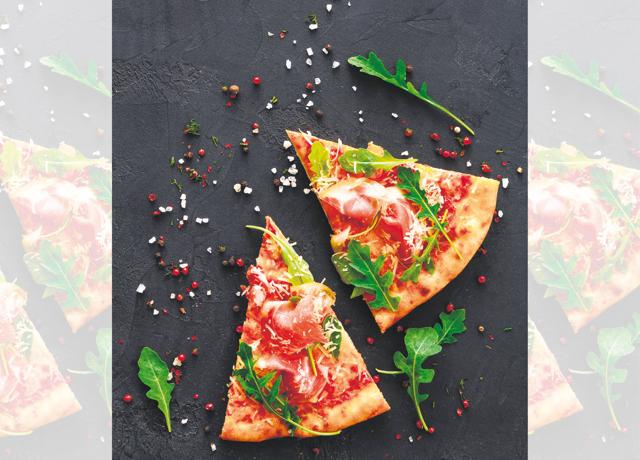
Italian ingredients are used in ways that Italians themselves would never use them. In Italy, the point of a pasta dish is the pasta. In India, it is the sauce that is required to overwhelm the pasta and taste of tomatoes or cheese or both.
The ingredient quantities have to be Indianised. Spaghetti Aglio Olio has to have Indian-style heaps of garlic. Pasta Arrabiatta relies on the marriage of too much tomato and too many chillis. The old ‘white sauce’ (like a Béchamel) pasta now has to be much cheesier (like a Mornay on steroids).
Any Italian restaurant that tries to serve the sort of food they eat in Northern Italy is doomed to fail, and even Southern Italian dishes are first drowned in tomato, chilli and garlic and then smothered in cheese.
I make no value judgments about all this. Just as Indian-Chinese has become a cuisine in its own right, I imagine that Italian-influenced Indian food will also earn respect one day. (It already has popularity.)
For my part, I see both Indian-Chinese and Indian-Italian as symptoms of our discovery of umami, a process that began in the 1950s and has gathered speed in this century. It is, I think, an interesting and significant trend because it is transforming the way we eat.
But the price we pay for this is the same as the price we pay for the popularity of Indian-Chinese. It is now difficult to get authentic Italian or Chinese food at the overwhelming majority of restaurants in India.
The only authentic Italian restaurants that flourish cater to a tiny sliver at the top. And of course, there will be places like the Italian Cultural Centre Café.All the more reason to value them!


