E-Paper



Green wash: Why sustainable fashion isn’t as clean as you think
Sustainability in fashion is becoming complex, with terms like circular, conscious and ethical. The industry is the world's second biggest pollutant

 Prefer HTon Google


It’s complicated.
Our environmental mess is too big to hide behind a single word. So, in fashion, sustainable also includes circular (a focus on recycling materials and processes), conscious (a green option where one is available), ethical (mindful of the human and animal life involved), biodegradable (avoiding landfill pile-ups) and so on. The terms start to trip over each other pretty quickly.
And it’s connected.
A single collection from a single brand in a single season contains multitudes. The crop for the fabric must be grown without ruining the soil, the local ecosystem and the water level. Animal-derived materials such as fur, silk or leather must be free of animal cruelty. Synthetic or natural components, including dyes, buttons, zippers, must be sourced using non-toxic, non-polluting, less wasteful processes. Mass manufacture must be standardised, but run on renewable energy. Distribution must be speedy but have a low carbon footprint. Even the breathless ads for the new arrivals must be green – down to the vinyl flex on the solar-powered billboard. Through it all, humans must be treated ethically, have safe environments to work in, and be compensated fairly for the work they’ve put in. No brand in the world can claim to tick all the boxes, stay affordable and still be profitable.

The afterlife matters too.
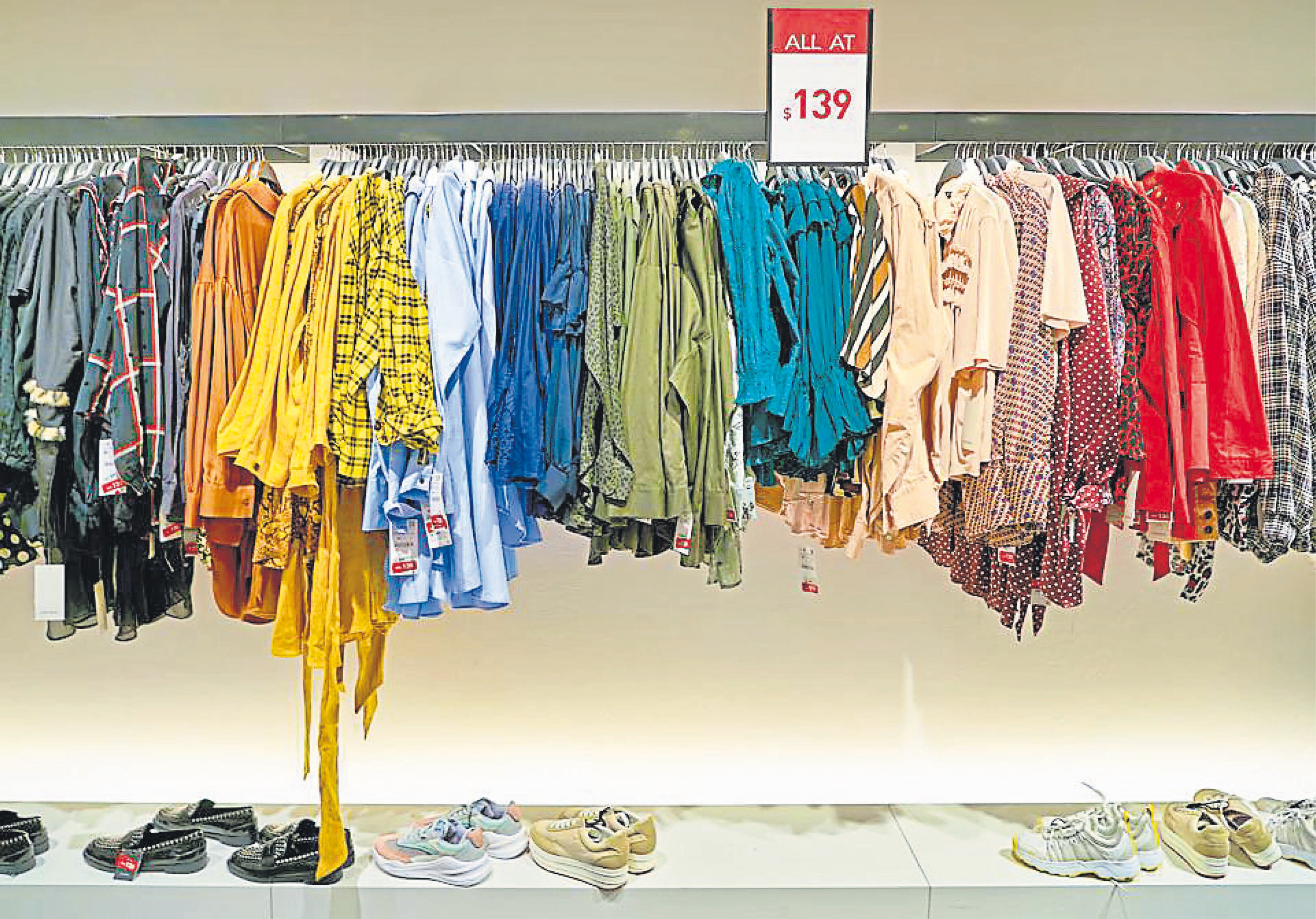
The fashion industry generates 92 million tonnes of textile waste annually. This is rarely re-purposed completely. Of the actual garments, studies estimate that 30% of the stock is unsold. But brands have no buy-back policies and are reluctant to send their designs to surplus stores. So, retailers tend to just throw unsold stock away. The microplastics from clothing fibres pile up forever in landfills, emitting methane. Thrift stores are catching on, but they largely cater to the very high-end.
Clearing the air.
With mass-market brands, the rush to label goods as sustainable often means solving one problem, but creating more in its place. It’s why academics (and increasingly, consumers) are seeing through the greenwashing and are sceptical of any claims of sustainability.
Bucking the trend.
The solution, of course is to try harder, do better. Some Indian brands are giving it a go. Blanc (@blanc.earth) is taking the fast out of the fashion process and examining every step of production. They choose materials that have a lower environmental impact (organic cotton and azo-free dyes). Their packaging material is biodegradable (tapioca and cornstarch fibres). They’ve avoided large warehousing, supporting small businesses instead. Doodlage (@doodlageofficial) picks up factory waste, fabric scraps, and post-usage consumer waste and up-cycles it into garments. Next season’s style may well have come from your grandma’s quilt. No Nasties (@nonasties) sources organic fabrics grown with natural pesticides and fertilisers. The company audits its entire supply chain and all their products are vegan. All these make products in small batches.
The other side.
Clothes from most big brands are cheap because the Earth, and nameless workers, pay the price for it. Truly sustainable fashion will never come at throwaway prices. It’s what fashion-school academics are currently trying to work out: Whether fashion can be sustainable on the wallet too. Buy less, buy mindfully, reuse, repair – it’s amazing how much a budget will start to stretch.