
 E-Paper



Lunar Eclipse 2022 Highlights: Watch the stunning visuals of Chandra Grahan from Delhi, Bihar, Guwahati, Kolkata
Lunar Eclipse 2022 in India Highlights: The last total Lunar Eclipse or Chandra Grahan of 2022 has come to an end. India witnessed a total Eclipse in the eastern parts and a partial Eclipse everywhere else. Check out stunning visuals from India and different parts of the world inside.
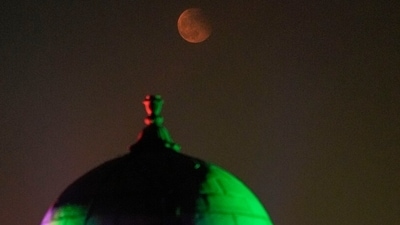
Lunar Eclipse 2022 Highlights: The last total Lunar Eclipse or Chandra Grahan of 2022 will be observed today, November 8. It will be the last total Eclipse we will witness for three years because next time this phenomenon will occur on March 14, 2025. According to NASA, the Eclipse will be visible across North and Central America, Ecuador, Colombia, western portions of Venezuela and Peru, Asia, Australia, New Zealand, Alaska and Hawaii. One doesn't require any special equipment to observe the Eclipse. However, binoculars, telescopes, and moving to an area away from bright lights help the visibility....Read More
In India, the total Eclipse will be visible in the eastern parts, and the partial Eclipse will be visible from most parts of India. Additionally, the beginning phase of the partial and total Eclipse will not be visible because both events begin when the Moon is below the horizon everywhere in India. The partial Lunar Eclipse will start at 02:39 pm and the total Lunar Eclipse at 03:46 pm. The totality will end at 5:12 pm while the partial phase of the Eclipse will continue till 6:19 pm.
For the uninitiated, a total Eclipse occurs when the Earth moves in between the Sun and Moon, and Moon passes into the darkest part of the Earth's shadow, casting a red glow on the Moon. Hence, a total Eclipse is also called the Blood Moon.
Devotees take a holy dip in Ganga during Lunar Eclipse
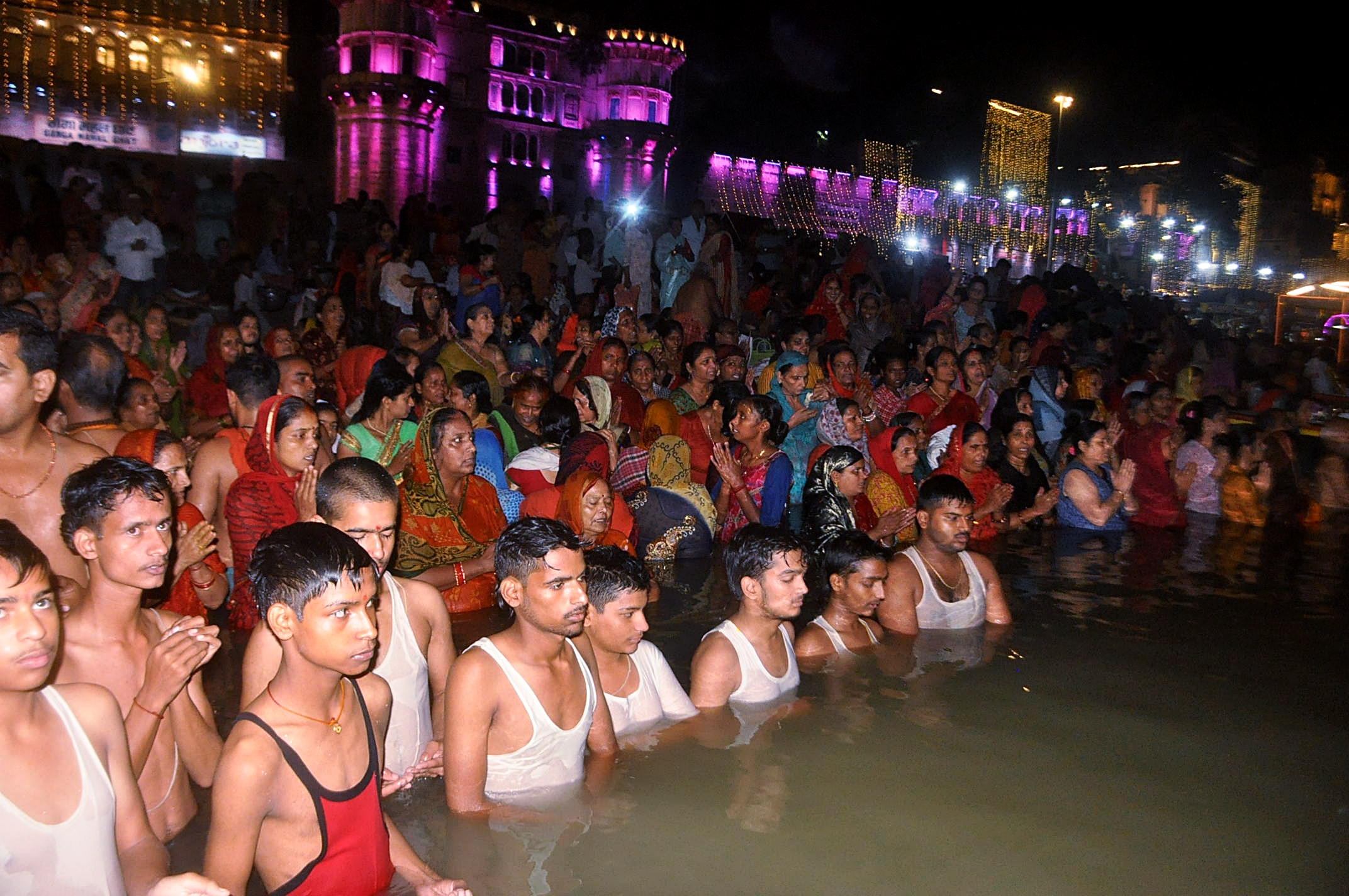
Devotees take a dip in the river Ganga during the last Lunar Eclipse of the year, at Assi Ghat, in Varanasi.
Blood Moon seen over Beijing
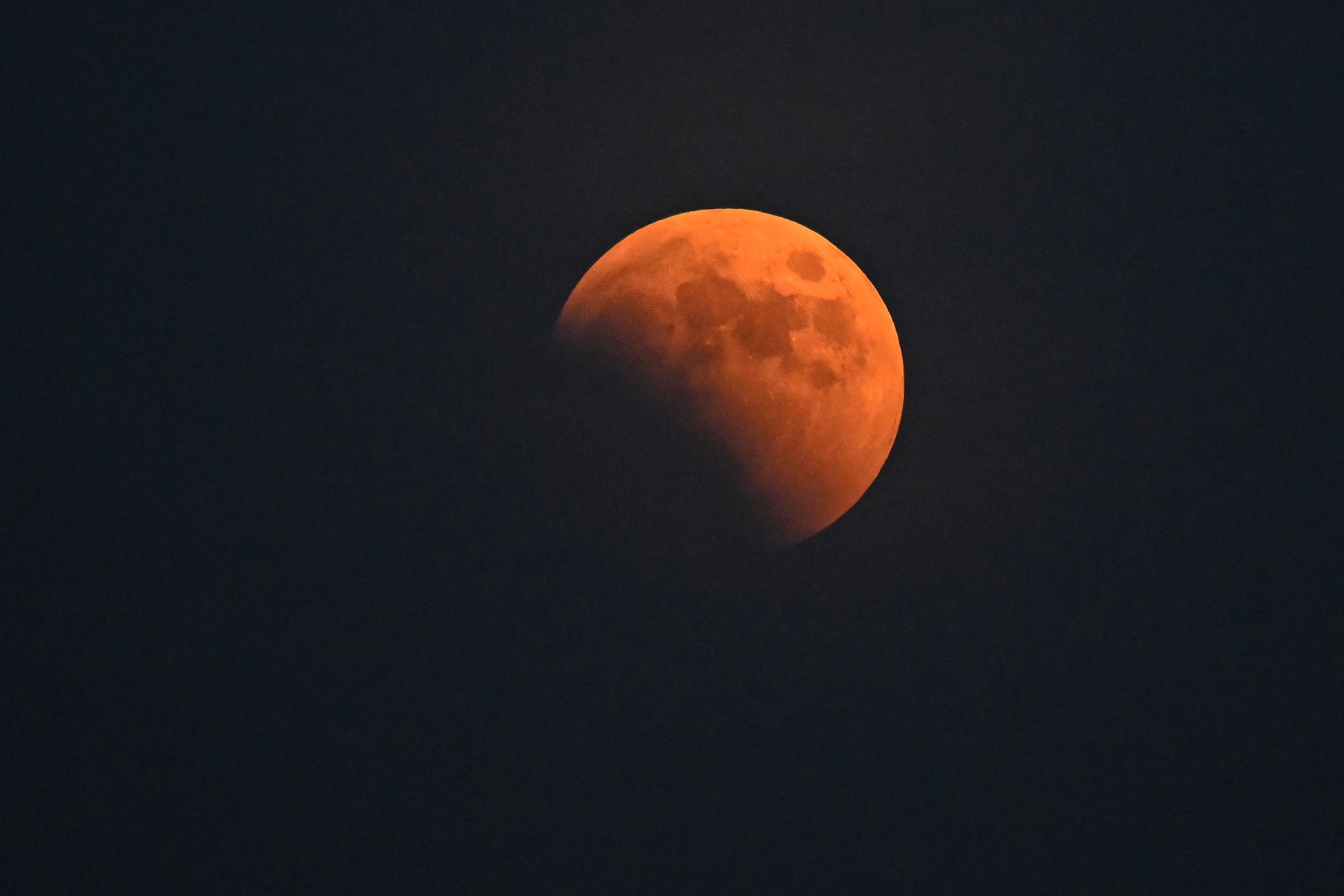
Lunar Eclipse in Ranchi
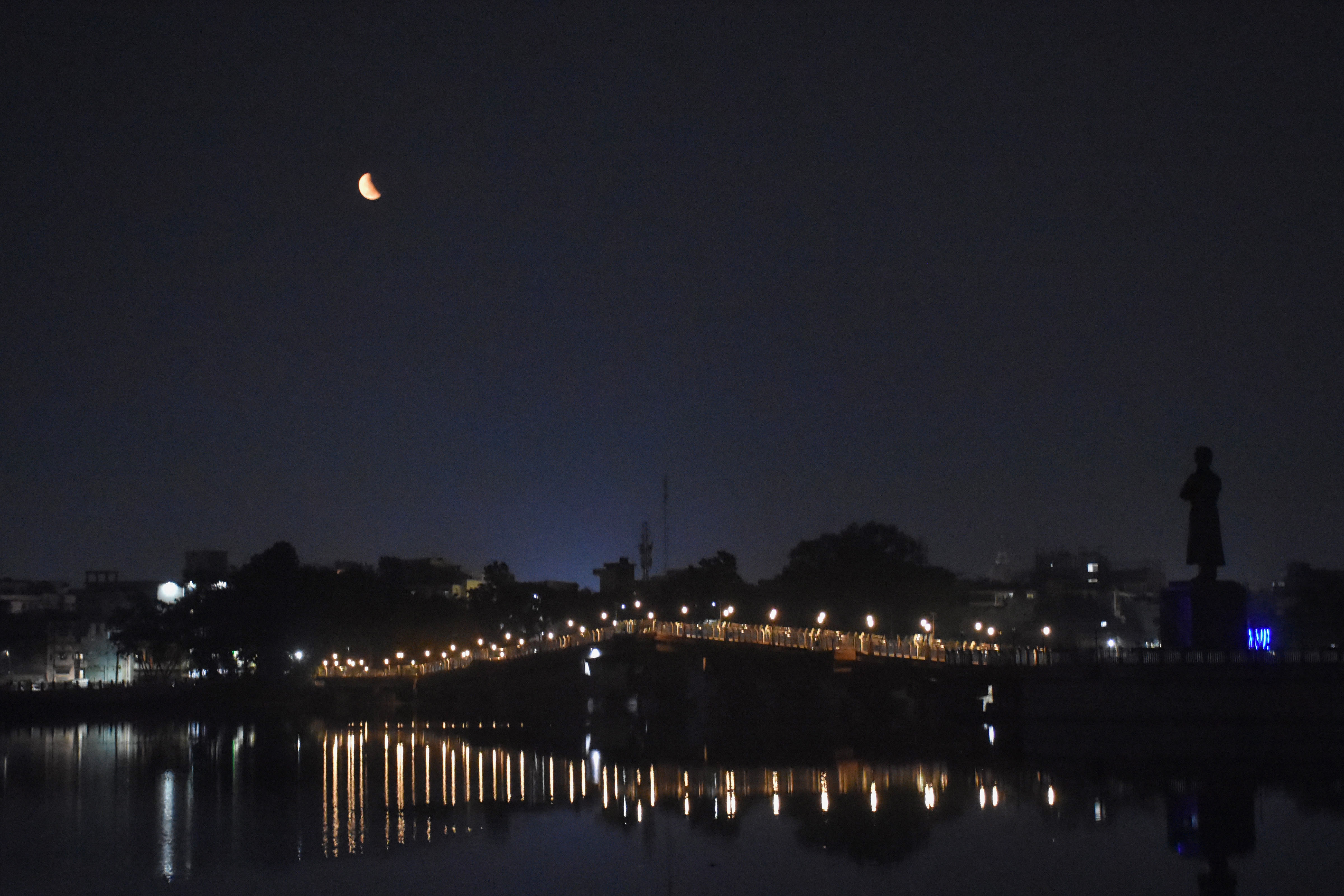
Snap of Lunar Eclipse in Guwahati
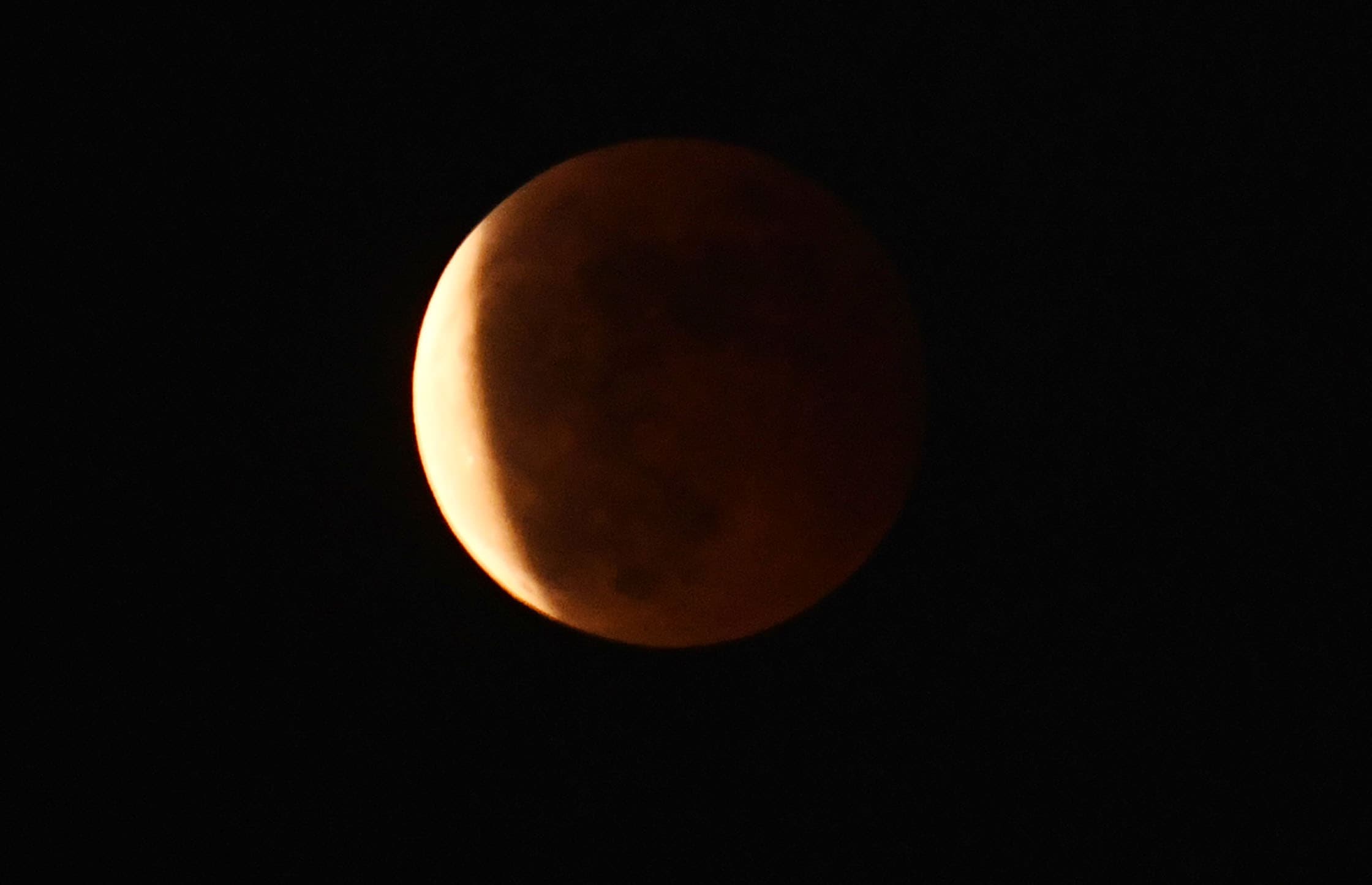
Lunar Eclipse in Jammu
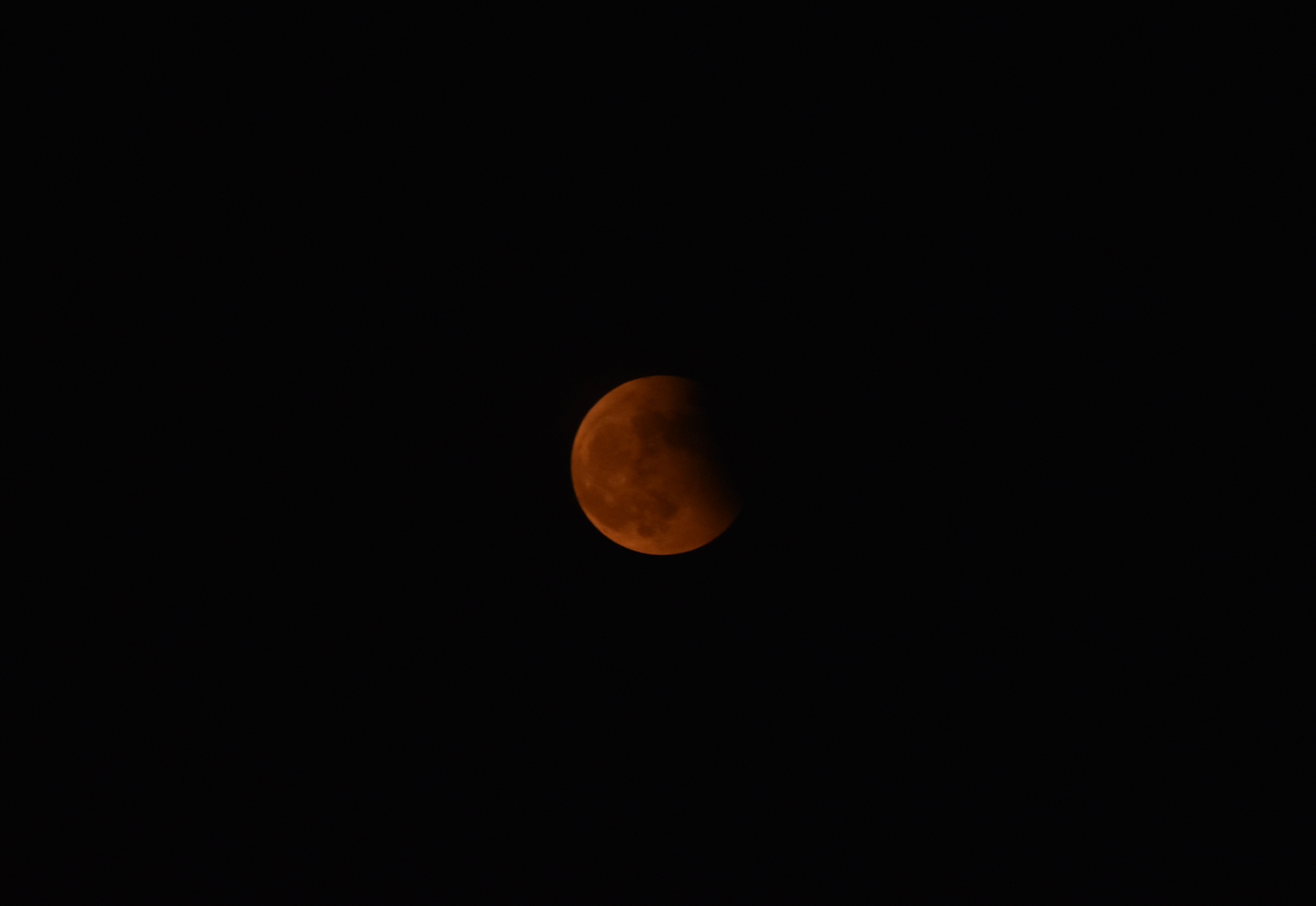
India's last Lunar Eclipse of the year witnessed in the sky in Jammu.
Last Lunar Eclipse of 2022 witnessed in Delhi
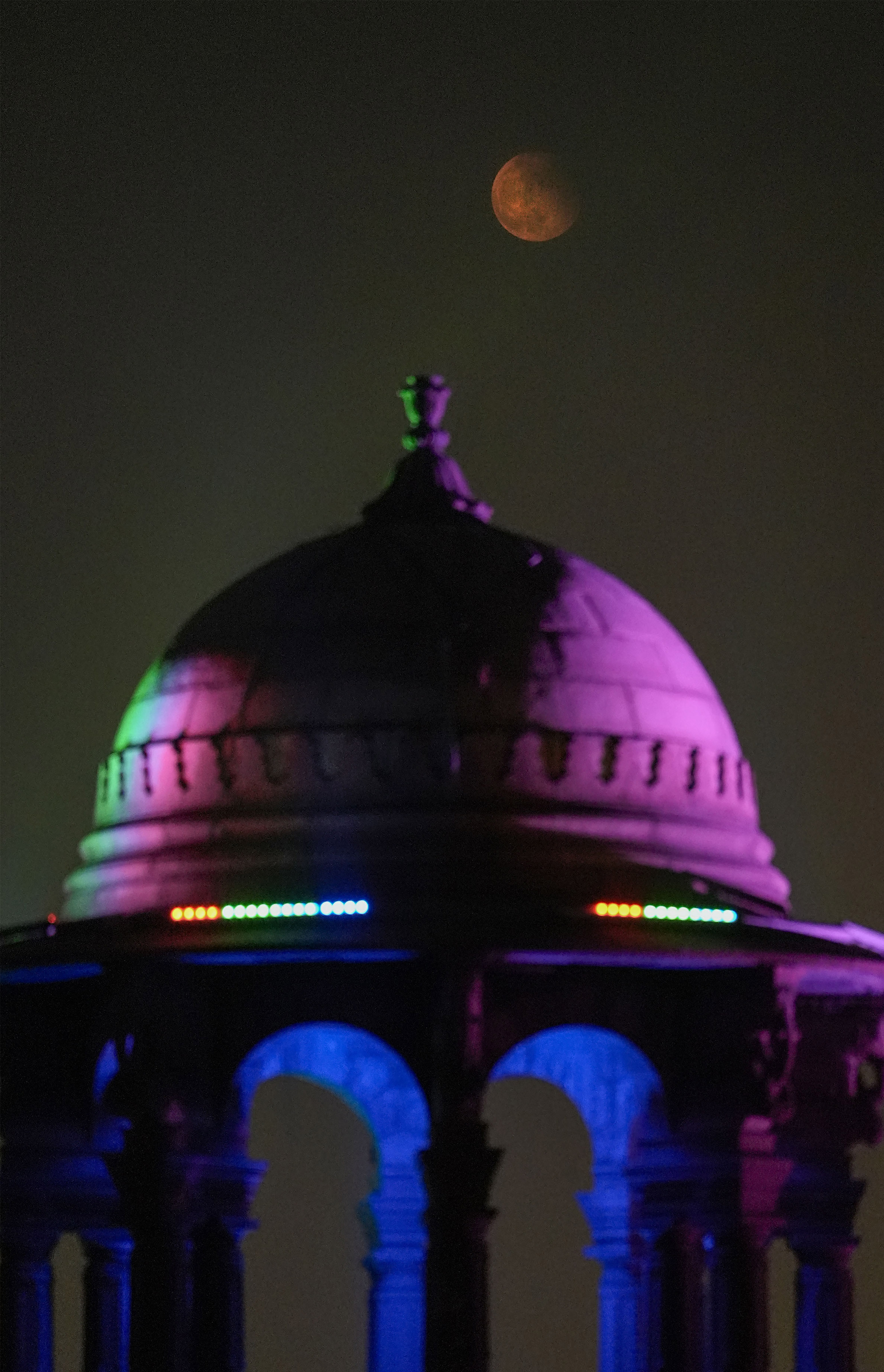
The partial Lunar Eclipse witnessed in New Delhi: The image shows the Moon partially covered by the Earth's shadow during the last Lunar Eclipse of the years in the national capital, New Delhi.
Kolkata witnesses Lunar Eclipse
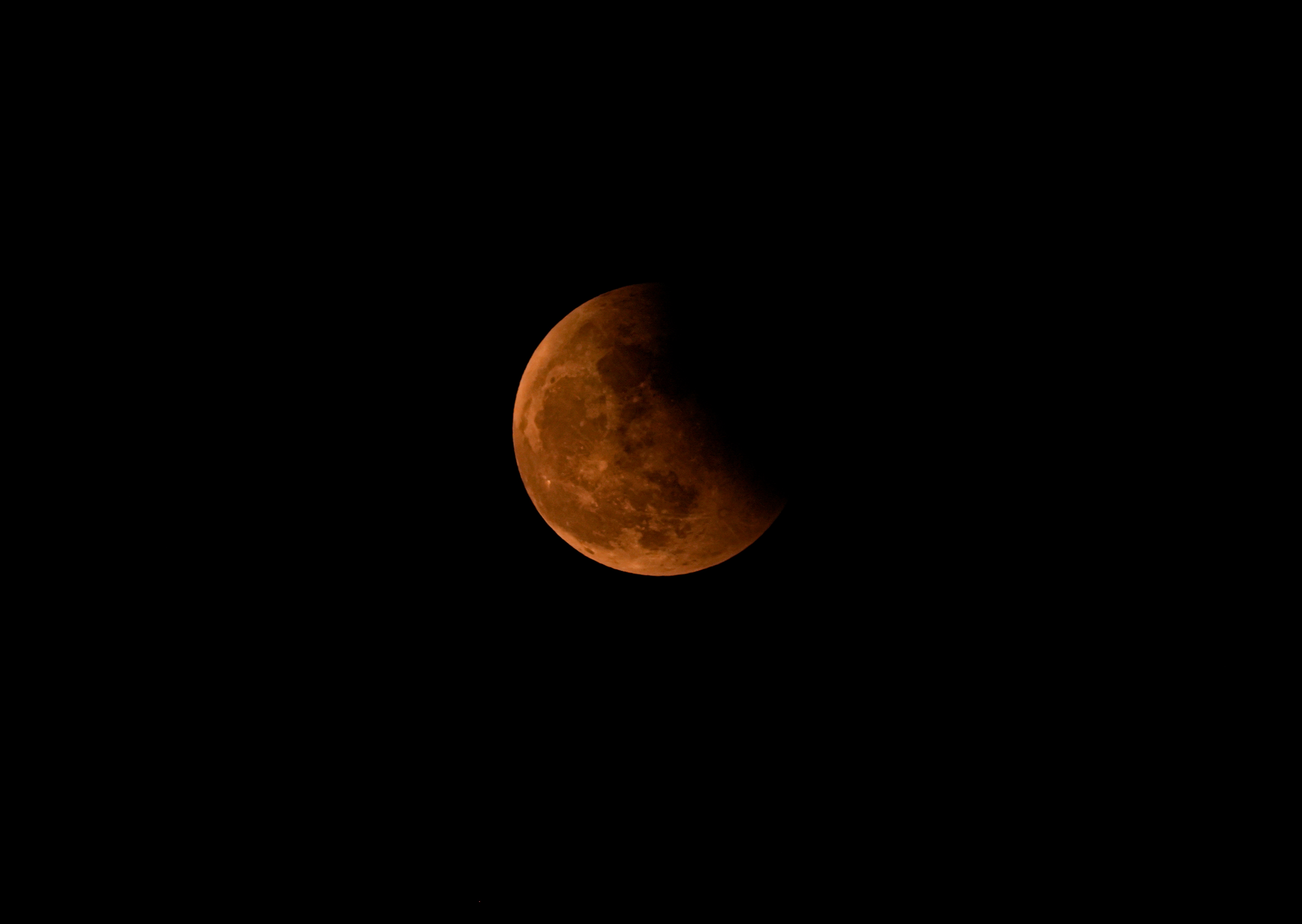
A visual of the Lunar Eclipse seen in Kolkata: The image shows the Moon partially covered by the Earth's shadow during the last Lunar Eclipse of 2022.
Visuals of the Lunar Eclipse shared by NASA
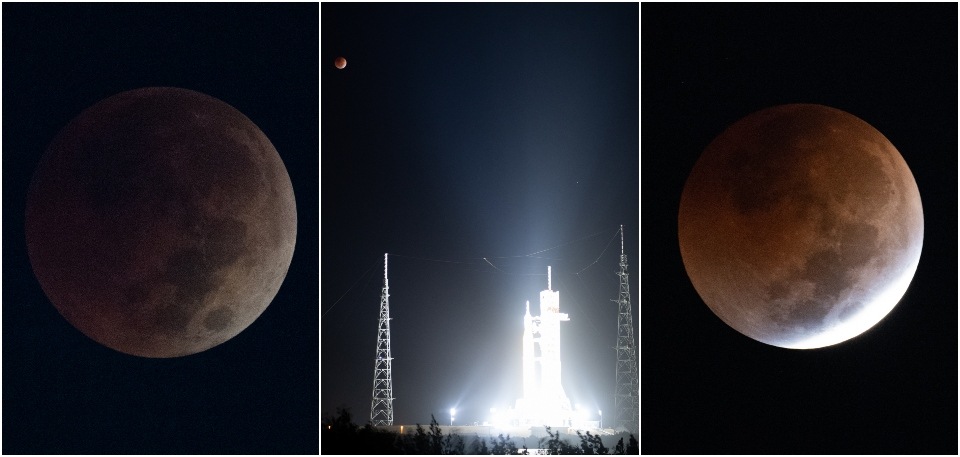
Check out these stunning visuals of Lunar Eclipse from NASA's Kennedy Space Center shared on their official Twitter page.
People witness Lunar Eclipse at Birla Planetarium
People gathered at the Birla planetarium in Hyderabad to watch the partial Lunar Eclipse or the Blood Moon.
Partial phase of Eclipse ends
The whole Moon is in Earth's penumbra now and the dimming will be subtle as the partial phase of the Lunar Eclipse (or the Blood Moon) ends now. Don't miss the visual from Guwahati.
Lunar Eclipse in Bihar and Guwahati
Check out the visual of the last Lunar Eclipse of 2022 from Bihar and Guwahati.
The Lunar Eclipse in Tokyo
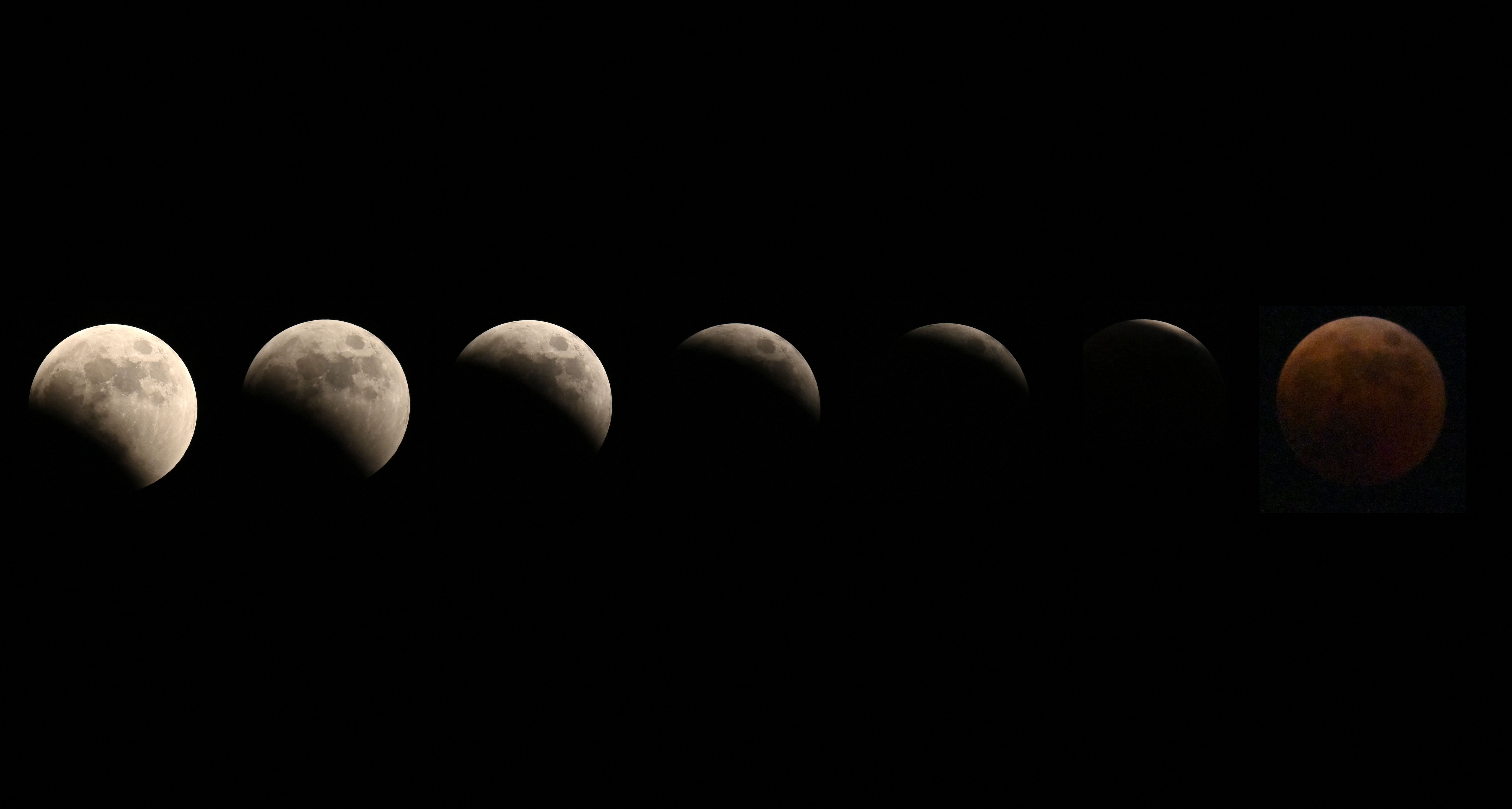
The total Lunar Eclipse, also known as the Blood Moon, as seen over the skies of Tokyo today. The combination of the images shows the progression of the Moon.
When will Chandra Grahan Sutak end?
According to Drik Panchang, the Chandra Grahan Sutak time will end shortly, at 06:18 pm. The timing will remain the same for kids and old and sock people.
In Pics: World witnesses last Lunar Eclipse until 2025
The world is witnessing the last total Lunar Eclipse of the year. It will also be the last total Lunar Eclipse until 2025. Click here to see images from around the world, including Beijing, Sydney, Guatemala, and more places.
Lunar Eclipse in Arizona, Hawaii and Australia
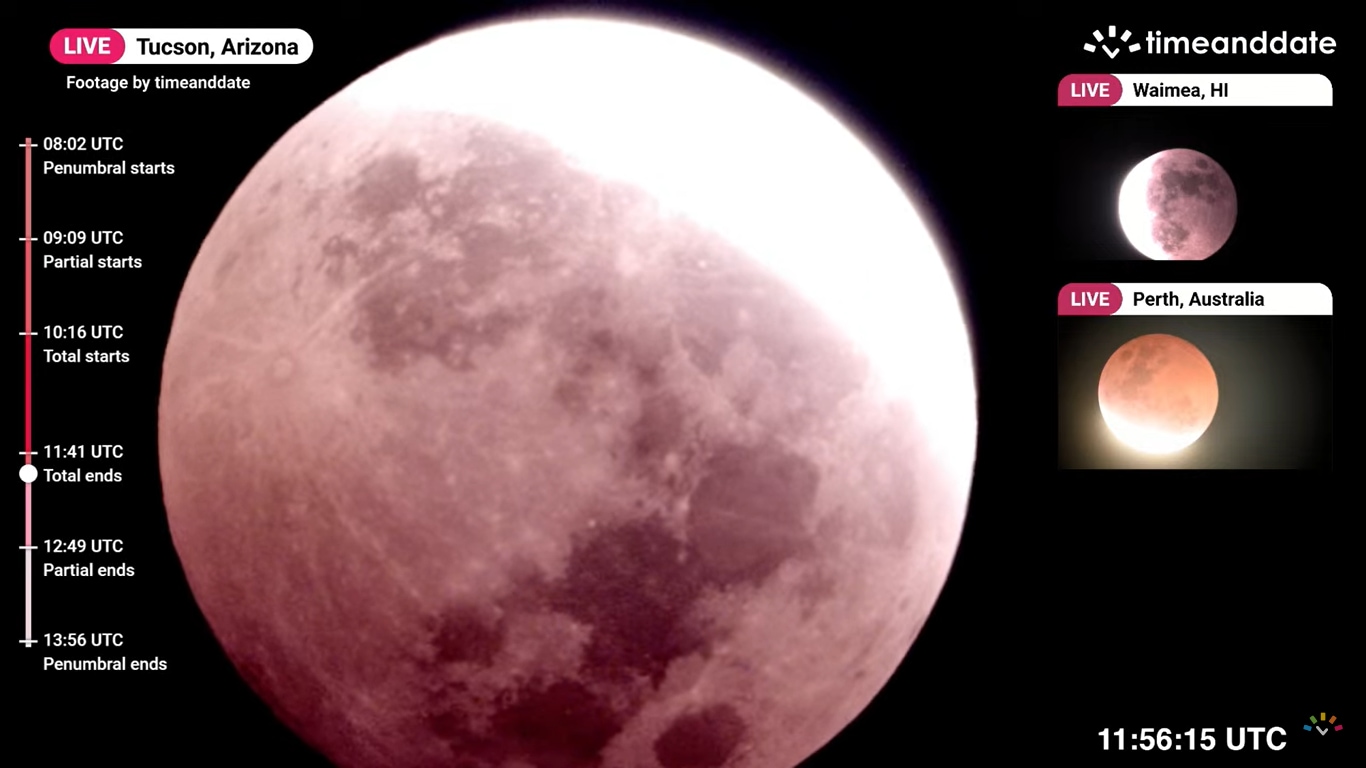
Live images of Lunar Eclipse as seen in Arizona (Tucson), Hawaii (Waimea) and Australia (Perth), shared by Timeanddate.com. The totality has ended and the reddish glow is slowly fading.
Moon exits Earth’s umbra, totality ends
The Moon has exited the Earth’s umbra and now, the totality comes to an end and the red colour of the Moon will begin to fade. According to NASA, it will look as if a bite is being taken out of the lunar disk.
Chandra Grahan time in Bengaluru and Hyderabad
Bengaluru and Hyderabad will witness a partial Lunar Eclipse at 05:43 pm and 05:57 pm, respectively. It will last for 1 hour and 36 minutes, and 1 hour 46 minutes in the cities.
Devotees outside Haridwar temple
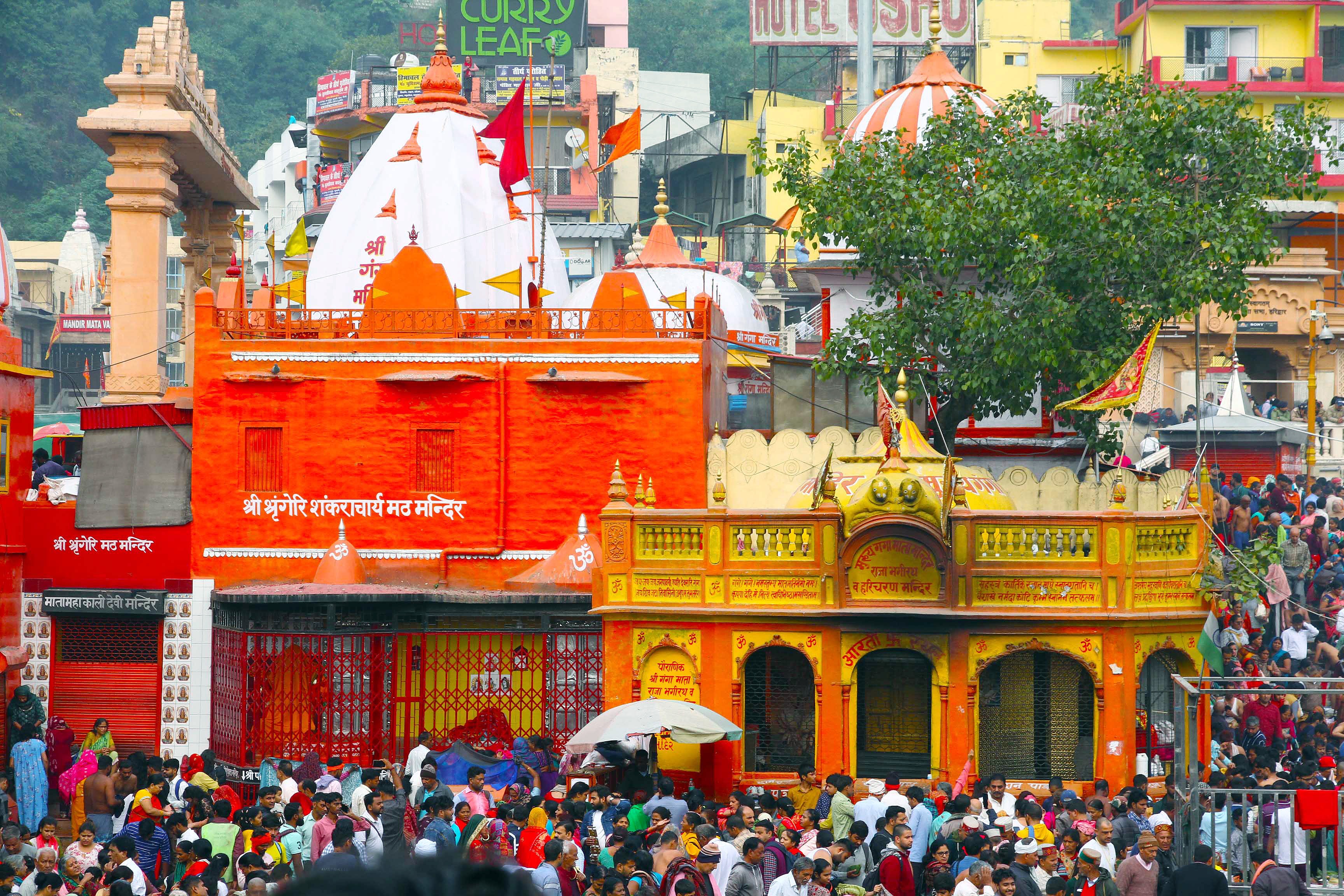
Devotees seen outside the temple at Har ki Pauri Ghat, in Haridwar, which is closed in view of the total Lunar Eclipse.
The total Lunar Eclipse in South Korea
The total Lunar Eclipse as seen in South Korea.
Lunar Eclipse in Tokyo
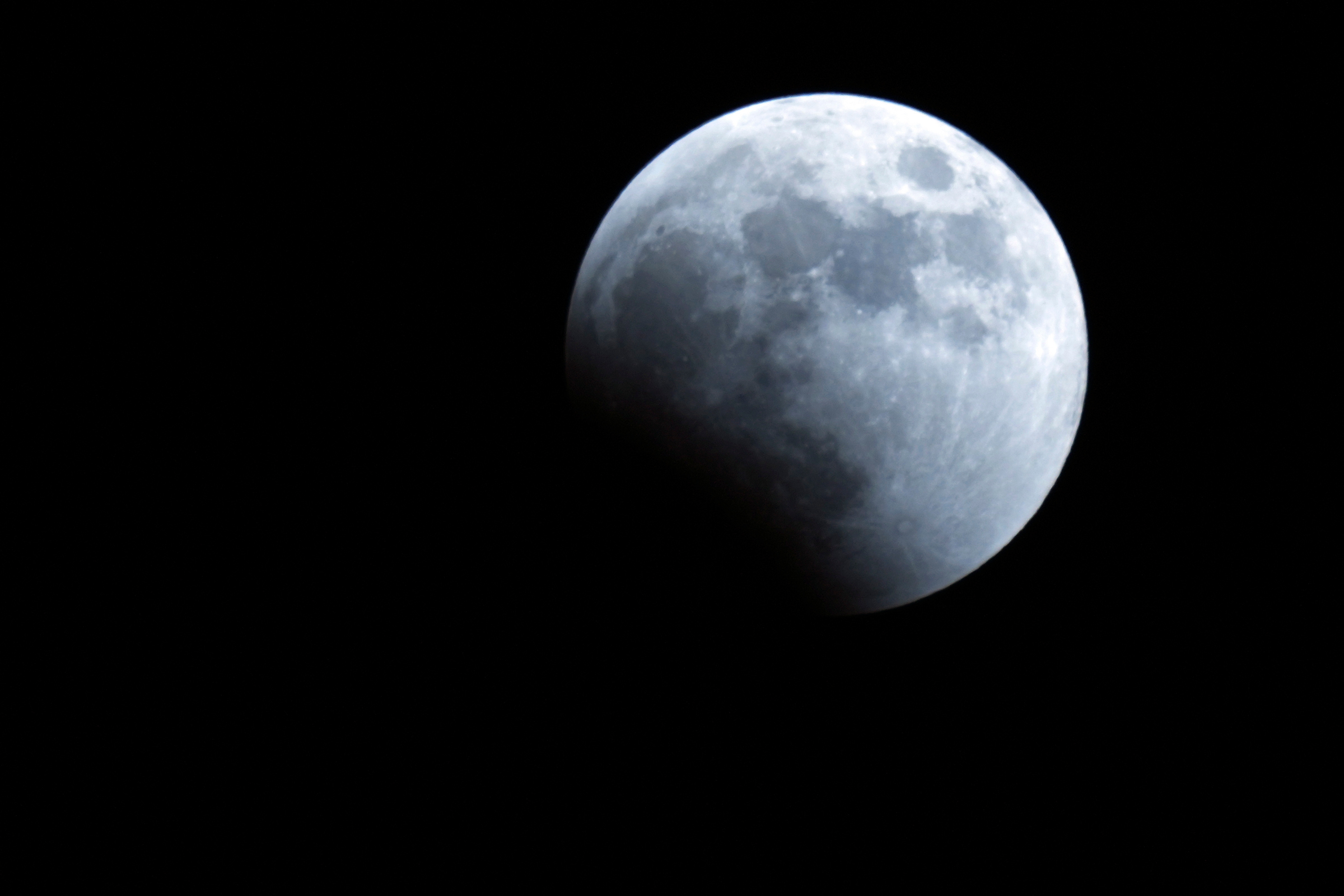
The Earth's shadow starts to cover the Moon during the Lunar Eclipse on Tuesday in Yokohama near Tokyo.
City wise Chandra Grahan timings in India
Delhi: 05:31 pm
Mumbai: 06:04 pm
Bengaluru: 05:57 pm
Agartala: 04:43 pm
Bhubaneswar: 05:09 pm
Patna: 05:06 pm
Noida: 05:30 pm
Gurugram: 05:33 pm
Hyderabad: 05:43 pm
Chennai: 05:42 pm
Srinagar: 05:31 pm
A rare celestial event to take place during Lunar Eclipse
A rare celestial event will take place during the total Lunar Eclipse in some parts of Asia and Alaska, according to Timeanddate.com. The Moon will pass in front of Uranus causing the occultation of the planet (complete obscuration of the light of an astronomical body). It will be visible in Tokyo for around 40 minutes from 8:40 pm. The occultation of a planet by the Eclipsed Moon can only occur when the Sun, Earth, Moon and the planet are almost on the same straight line.
Is it safe to view the Lunar Eclipse with naked eye?
Unlike a Solar Eclipse, it is completely safe to watch a Lunar Eclipse with your naked eyes. One can witness it clearly using a telescope or binoculars.
When will the total Lunar Eclipse start in India?
According to the Ministry of Earth Sciences, the totality of the Lunar Eclipse (Chandra Grahan) will start at 03:46 pm in India and will go on till 05:12 pm. However, the beginning phase of the partial and total Eclipse will not be visible because both events begin when the Moon is below the horizon.
Total Lunar Eclipse begins
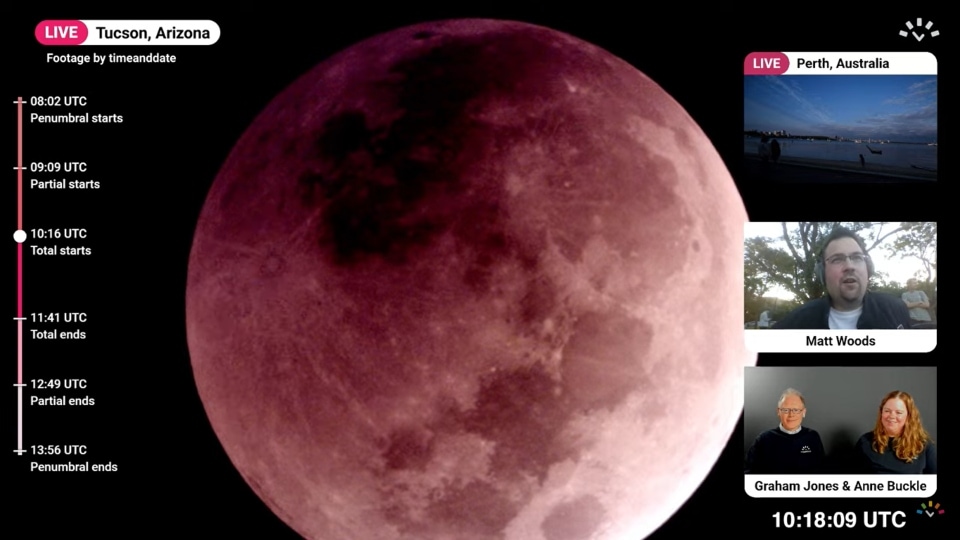
The totality of the Lunar Eclipse has begun as the entire Moon is now in the Earth’s umbra. The Moon will turn a shade of coppery-red and will be visible through binoculars or telescope. This is because some light from the Sun will still reach the Moon after passing through the Earth’s atmosphere.


