
 E-Paper



From ditching cornstarch to aromatic oils over spices: How Asian cuisine is getting a healthy makeover

 Prefer HTon Google


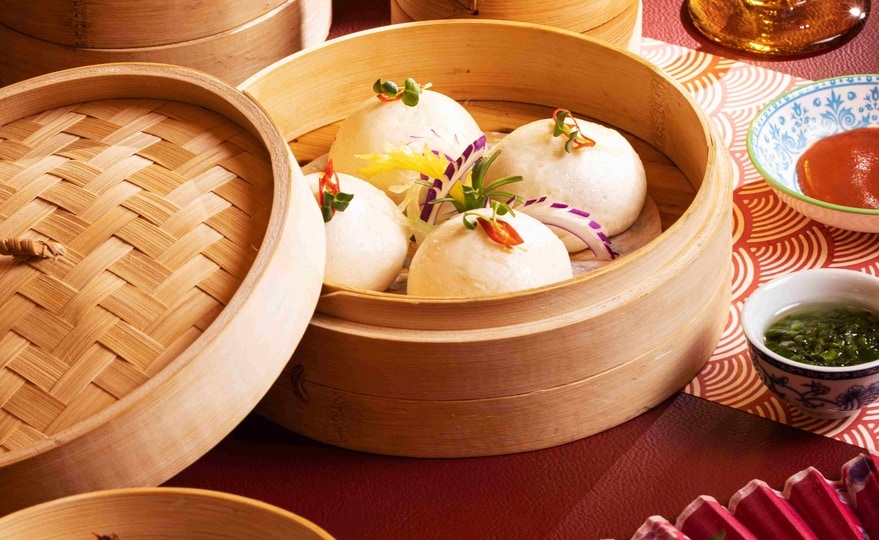
Pan-Asian dining in India is shifting from greasy Indo-Chinese fare to lighter dishes with fresh ingredients, natural broths & traditional cooking techniques.
For decades, the Indian dining experience was dominated by a highly localised version of Chinese food, often laden with cornstarch, heavy soy, and deep-fried ingredients. Today, the wok has gone woke. Driven by well-traveled, health-conscious diners, Pan-Asian restaurants are tossing out the heavy fusion playbook in favour of clean, ingredient-forward, and authentic Pan-Asian cuisine.
Chef Anuj Mathur from the legendary Golden Dragon at Taj Surajkund Resort & Spa, and chef Vaibhav Bhargava from the progressive Pan-Asian hotspot, Zuki, reveal the trends reshaping the Asian dining experience.
Say bye-bye to cornstarch
The days of thickening soups and sauces with heavy, refined carbohydrates such as cornstarch are officially over. Today’s Asian kitchens in India are focusing on the natural textures of fresh produce. Chef Vaibhav is a staunch advocate for this lighter approach, particularly when it comes to reinventing classics like hot and sour soup.
“Like in our soups, we don't use cornflour, which is not such a great ingredient. That’s why we focus on broths,” he explains, adding, “We use the purée, like we do this carrot puree for hot and sour soup to give that texture. It gives you the body of the same thing without using the cornflour. We do the same with the sweet corn soup, where we make purée using boiled corn, and add to the soup to give it consistency. And that is the step a lot of chefs are taking to support healthy cooking.”
Steaming and boiling over deep-frying
Demand for localised, greasy Indo-Chinese is shrinking. In its place is a celebration of historical techniques that are naturally lighter. Today, deep-frying is taking a backseat to boiling, steaming and traditional robata charcoal grilling. For Anuj Mathur, staying true to traditional cooking methods is the ultimate health hack. “Authentic Chinese is always minimal fat cooking,” he points out, sharing, “There are a lot of cooking techniques, such as steaming, grilling and stir-fry instead of deep fry. Like, we have sea bass in our menu, and a lot of diet-conscious people opt for it.” Chef Vaibhav also looks beyond the wok entirely, championing zero-oil charcoal grilling. “We are the first one to introduce robata here. We have a grill inside where we charcoal... everything comes from charcoal, like we do broccoli, sweet potato. People love that kind of flavour and smokiness.”
Ditch the spices and MSG
The biggest hurdle Asian cuisine has faced in India is the stigma surrounding added MSG and the use of heavy spices that cause acidity. Today’s chefs are rewriting the rules. Anuj Mathur has a clear view on artificial flavour enhancers. “In ancient times people used to say all Chinese food has MSG. That's the biggest one (myth). Ajinomoto is a big no-no in my kitchen... we are not adding any MSG in our dishes," Mathur says.
Now, instead of relying on harsh heat, kitchens are building complex flavour profiles using natural infusions. Chef Vaibhav explains how the younger generation is driving this change: “With the new Gen Zs you see today, they want to eat authentic Asian food or the version of Indo-Chinese food but without the spice.” What’s the secret weapon? Aromatic oils. “Instead of spices you can always make a good broth... make some nice oils, and you can use them as just a topping to give it that nice aroma, like a Sichuan oil or a chili oil, or a peppercorn oil, or a lemongrass oil. Drop it to enhance the flavours of the dish,” Vaibhav shares.
The plant-based takeover
With health and wellness moving from a trend to a lifestyle, plant-based dining has become a mainstream expectation. Recognising this dietary shift, Pan-Asian restaurants including Cantonese and Sichuan cuisine restaurants are now overhauling their menus to make vegetables the star of the show. “About 60% of the menu is vegetarian. Because the world is moving towards vegetarianism,” notes Vaibhav.


