
 E-Paper



4 vegetables and fruits you should never eat raw

 Prefer HTon Google


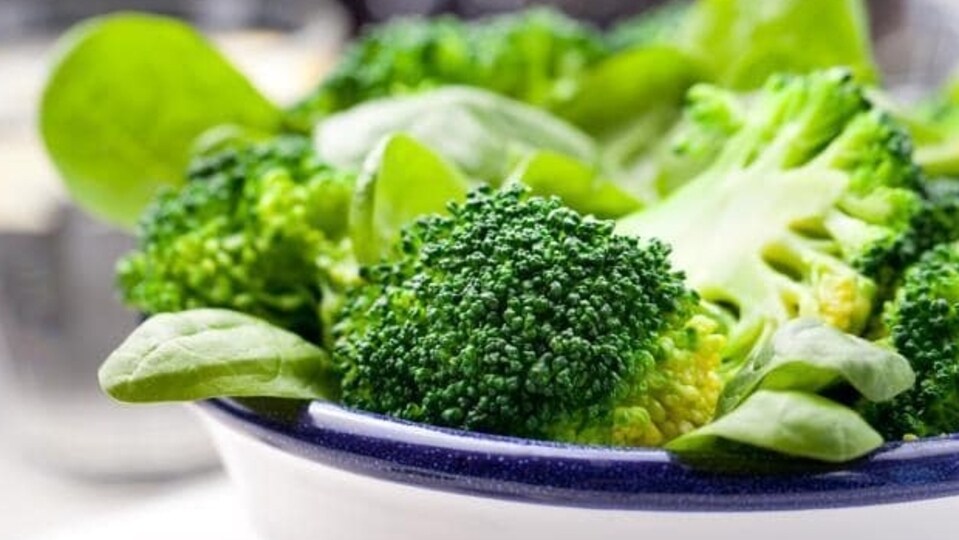
An Ayurveda expert warns against consumption of certain vegetables and fruits in raw form as they could expose you to parasites and bacteria.
Cooking vegetables can rob them of their nutrients and proponents of raw food diet say eating vegetables and fruits without any form of processing or cooking gives us more energy, better skin, improved digestion and a reduced risk of heart diseases and cancer. Vegetables are said to lose their nutrients in the process of cooking too much. However, not all vegetables should be eaten raw and in case of some veggies, nutrient absorption improves after cooking. Also, eating vegetables raw can expose one to parasites, bacteria, toxins and substances that can play havoc with your health. Dr. Dimple Jangda, Ayurveda & Gut Health Coach in her recent Instagram post warned against consumption of vegetables and fruits that shouldn't be consumed raw as they are home to parasites and bacteria like E.coli or even tapeworms and tapeworm eggs. (Also read: Eat Lauki, avoid Palak: Ayurveda expert on list of vegetables to eat and avoid during monsoon)
"If they enter our gut and bloodstream, or even enter the brain, they can cause serious diseases like cysticercosis, seizures, headaches, damage to the liver and even cysts in the muscles," says Dr Jangda.
1. Colacia leaves (Arbi ka patta)
Number one is colacia leaves, also called arbi ka patta. Always blanch them in hot water before using them in your diet. The same rule applies to spinach and kale. Blanche them in hot water because they’re linked to high oxalate level, which reduces when you blanch it.
2. Cabbages
They’re notorious for harboring tapeworms and tapeworm eggs, which is invisible to the naked eye. Some of these tapeworms have survived some of the harshest insecticides and pesticides, so your vegetable washes are too mild for them. Blanche your cabbage in hot water and then cook it well before you consume it.
3. Capsicum
Remember to remove the crown, deseed the capsicum and run it under hot water, because the seeds can also be home to tapeworm eggs, which survive inside the fruit.
4. Aubergine
The seeds are again home to tapeworm eggs. Remember to cook it really well to kill these parasites, tapeworms and tapeworm eggs from entering our bloodstream. In fact, aubergine is such a complex vegetable that many households in India don’t bring this vegetable at home. Remember, prevention is always better than cure.
"Doesn’t matter what cooking methods you use boiling, blanching, steaming, cooking - please ensure to cook your foods at least lightly before you consume them," concludes Dr Jangda.


