
 E-Paper



AIIMS-trained dermatologist with 15 years of experience explains why homemade skincare solutions are not always safe

 Prefer HTon Google


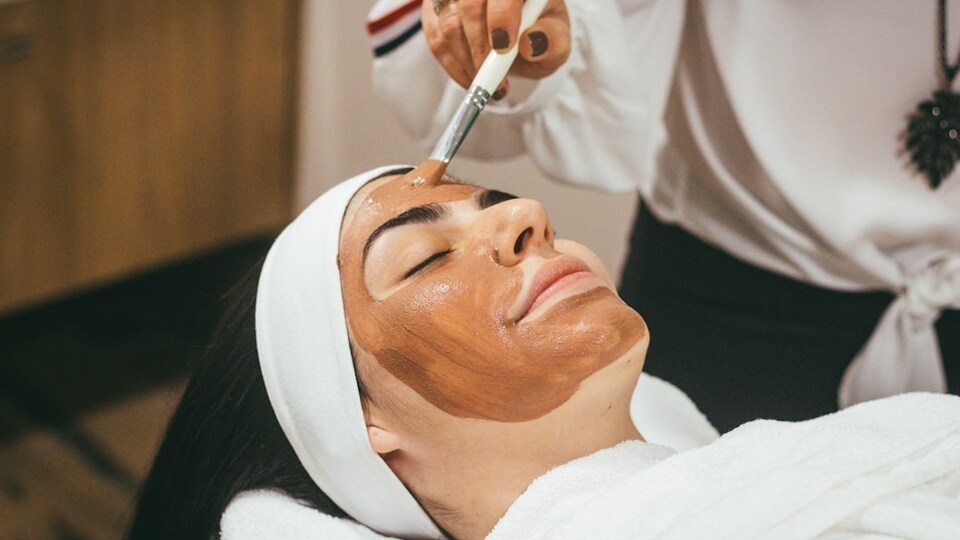
DIY skin remedies like turmeric and curd face packs have been Indian beauty staples for a long time. However, they may not always be safe for all skin types.
Homemade skincare has long been celebrated for its simplicity and reliance on natural ingredients like turmeric, curd, and fruits - often believed to be safe, affordable, and effective for glowing skin. However, what works for one person may not suit another, as each skin type responds differently to these ingredients. While such remedies are deeply rooted in traditional beauty practices, even natural ingredients can cause irritation or damage if used incorrectly or without understanding their effects.
Also Read | Dermatologist reveals why Indian skin has more enlarged pores: ‘Pores are natural…’
Dr B.L. Jangid - a skin specialist and hair transplant surgeon with over 15 years of experience, and the founder of SkinQure Clinic, New Delhi, who had previously worked as a dermatologist in AIIMS, New Delhi - spoke to HT Lifestyle about the effectiveness and risks of using homemade skincare remedies made from kitchen ingredients. He highlights which options are generally safe for all skin types and emphasises the importance of understanding these ingredients to ensure safe and effective results.
Home remedies are a staple
Home remedies, including turmeric, curd and fruit-based masks and face packs, have been part of Indian beauty rituals for a long time. Most of these DIY home remedies are everyday ingredients found in the Indian kitchen. However, according to Dr Jangid, “While some of these home ingredients have a soothing effect, there can also be a lot of skin issues caused by some specifically DIY masks which may not be appropriate for a person’s individual skin type, and may cause irritation or skin damage.” Home remedies hold their own special place in our skincare traditions, but their effectiveness can be limited.
Kitchen remedies may not always be safe
Dr Jangid emphasises that skin types differ from person to person, and certain ingredients used in DIY packs or masks can do more harm than good if applied without proper knowledge. He explains, “Skin types vary, people can have oily skin, some can have dry skin and some have more complicated issues such as acne, and sensitivity. Applying home remedy ingredients without knowing the skin problems can aggravate the problem.”
The dermatologist outlines the following ways these ingredients could potentially irritate the skin if they’re not used with proper knowledge of their functions and properties:
- Raw turmeric has anti-inflammatory properties, but can also cause allergic reactions, and stains.
- Curd has lactic acid which can moderately exfoliate skin, but for some sensitive skin, it may cause irritation and lead to breakouts.
- Lemon or other citrus fruits can brighten skin, but also increase photosensitivity which can cause burns.
- Scrubs such as coffee or sugar can feel refreshing, but they can also cause micro tears in skin.
While many social media influencers claim that naturally derived DIY skincare is harmless and can be tried without negative repercussions, Dr Jangid highlights that the dermatological community is sceptical of the ‘natural is safe’ ideology. He stresses, “Most issues of the skin can be treated without professional guidance. However, there are several skin issues where home remedies do not work.”

Basic solutions that are safe
For those without major skin concerns, simple kitchen ingredients can be safely used to achieve short-term goals like mild skin brightening or tightening. Dr Jangid recommends, “Occasional use of aloe vera gel offers hydration, ubtans serve as gentle exfoliating mixtures, or egg masks can be used for temporary skin tightening.” However, he cautions that while these remedies may add a soft glow to the skin, it is only temporary, and they cannot replace long-term, professional treatment.
Additionally, Dr Jangid suggests mild, daily skincare practices that are safe and promote skin wellness.
- Maintaining hydration and moderate washing with mild cleansers.
- Consuming a healthy and skin friendly diet.
- Wearing sun protective lotion to shield harsh sun rays.
However he warns, “These habits can support the professional care and advised treatment, but certainly do not discount the importance of active professional treatment.”
The importance of professional care
While homemade remedies can offer temporary solutions, professional treatment options are specifically tailored to suit the client’s unique skin, challenges and goals. According to the skin specialist, “Treatments and procedures, such as chemical peels, medifacials, and laser therapy, specifically target the safe treatment of acne, hyperpigmentation, and dullness. The modern skincare solutions contain certain actives like retinol, hyaluronic acid, peptides, etc that penetrate deeper to achieve specific results.” These are more effective solutions when compared to homemade remedies, which leave individuals with unproven and unrealistic expectations of instant results.
Kitchen remedies like turmeric and curd are widely regarded as safe, but that is not always the case. People can react in different ways to the same treatment. According to Dr Jangid, before trying such a remedy, it is vital to know your skin. Her recommends consulting a dermatologist or skin specialist to help you choose safe, effective treatments, whether that means lifestyle advice, medical skincare, or modern skincare solutions.
Note to readers: This article is for informational purposes only and not a substitute for professional medical advice. Always seek the advice of your doctor with any questions about a medical condition.


Catch your daily dose of Fashion, Taylor Swift, Health, Festivals, Travel, Relationship, Recipe and all the other Latest Lifestyle News on Hindustan Times Website and APPs.


