
 E-Paper



AIIMS-trained gastroenterologist shares 5 groups of people who should avoid chia seeds; reveals best way to consume them

 Prefer HTon Google


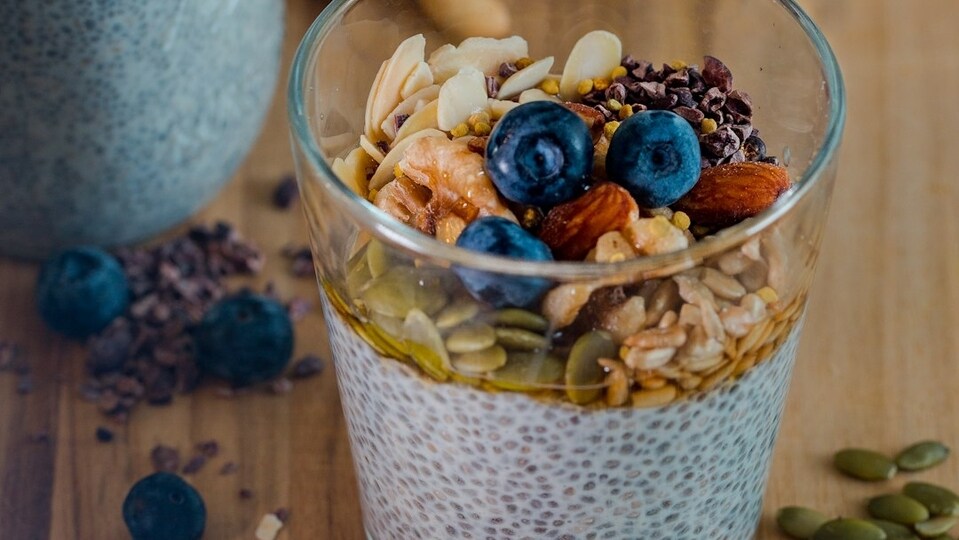
Chia seeds can offer plenty of health benefits, but the catch is that they need to be consumed the correct way. Dr Sethi shares who should avoid them.
Chia seeds have become one of the most popular gut-health hacks among wellness influencers, often praised for their fibre, omega-3s, and digestive benefits. In fact, they are also widely recommended by gastroenterologists for supporting gut and metabolic health. However, despite their impressive nutritional profile, chia seeds may not suit everyone. In certain situations, or when consumed improperly, their benefits can backfire and lead to discomfort or even health risks for some individuals.
Dr Saurabh Sethi, a California-based gastroenterologist trained at AIIMS, Harvard, and Stanford, has outlined five groups of people who should avoid consuming chia seeds and explained the reasons why. In an Instagram video shared on March 8, he noted that while chia seeds can be among the best foods for supporting gut and metabolic health, their benefits can depend on the amount consumed and an individual’s overall health context.
1. Swallowing disorders or oesophageal narrowing
According to Dr Sethi, chia seeds can absorb water up to 10 to 12 times their weight. Consuming them dry may cause the seeds to expand rapidly after coming into contact with moisture in the throat. This can lead to oesophageal obstruction, particularly in individuals who already have swallowing difficulties or conditions that cause oesophageal narrowing.
The gastroenterologist explains, “Chia seeds absorb 10 to 12 times their weight in water. Eating them dry has rarely not caused oesophageal obstruction. Always soak or hydrate first.”
2. Sudden high-fibre intake
Dr Sethi points out that chia seeds are packed with fibre – nearly 10 grams in just two tablespoons. If your usual fibre intake is low, suddenly adding such a large amount can overwhelm the digestive system, potentially leading to bloating, gas, or general digestive discomfort. This effect may be even more pronounced in individuals with conditions such as IBS.
The gastroenterologist emphasises, “Sudden high-fibre intake – about 10 grams fibre per two tablespoons. Rapid increases can cause bloating, gas, or discomfort, especially in IBS.”
3. People on blood thinners
The gastroenterologist also warns that people taking blood thinners should be cautious about consuming chia seeds. This is because they contain ALA omega-3 fatty acids, which have a mild antiplatelet effect and may further enhance the blood-thinning action of these medications.
He cautions, “Chia contains ALA omega-3, which may have mild antiplatelet effects. Large amounts should be discussed with a doctor.”
4. Severe motility disorders
People with certain gut motility disorders should also be cautious about consuming chia seeds. As they absorb liquid, the seeds form a gel-like consistency in the digestive tract that typically helps move contents along. However, this gel-forming soluble fibre may not be well tolerated by individuals with conditions such as gastroparesis or those at risk of intestinal obstruction.
Dr Sethi states, “Conditions like gastroparesis or obstruction risk may not tolerate gel-forming fibres well.”
5. Seed allergies
Although such cases are rare, Dr Sethi notes that individuals with seed allergies should avoid consuming chia seeds, as they may trigger allergic reactions.
Important note
Besides the abovementioned conditions, Dr Sethi highlights that chia seeds are generally safe for most people and incredibly healthy - packing both soluble and insoluble fibres, omega-3s, polyphenols and prebiotic support. However, it is important to always soak them before consumption since the tiny seeds absorb nearly 10 to 12 times their weight in water.
He emphasises, “For most people, chia seeds are safe and beneficial – providing fibre, omega-3s, polyphenols, and prebiotic support. Chia seeds absorb 10 to 12 times their weight in water, so always soak them first.”
The gastroenterologist outlines his simple rule for consuming chia seeds:
- Start with one tablespoon
- Soak in water, yoghurt, or smoothies
- Increase gradually to two tablespoons
Dr Sethi concludes that when used properly, chai seeds can offer plenty of benefits, and are considered one of the best foods for gut and metabolic health. However, dose and context matter.
Note to readers: This article is for informational purposes only and not a substitute for professional medical advice. It is based on user-generated content from social media. HT.com has not independently verified the claims and does not endorse them.


Catch your daily dose of Fashion, Taylor Swift, Health, Festivals, Travel, Relationship, Recipe and all the other Latest Lifestyle News on Hindustan Times Website and APPs.


