
 E-Paper



AIIMS-trained gastroenterologist shares 7 foods to get rid of visceral fat naturally: ‘The most dangerous fat in your…’

 Prefer HTon Google


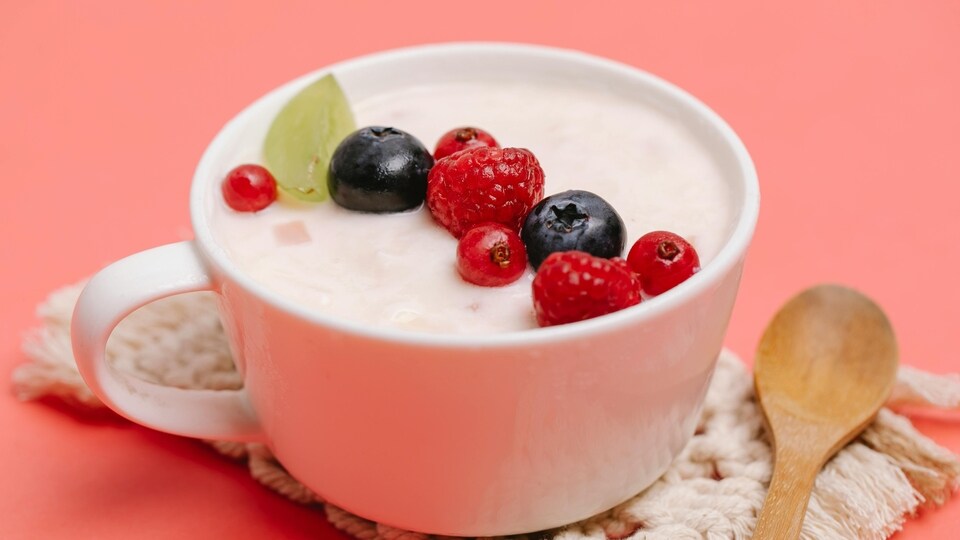
If you are struggling with visceral fat, try out Dr Sethi's recommendations to help get rid of it naturally!
Struggling to lose belly fat despite eating clean and exercising regularly? It may not just be ordinary fat - stubborn visceral fat could be the real culprit. Unlike surface-level belly fat, visceral fat sits deep around your organs and is considered the most dangerous type, driving inflammation and disrupting metabolic health. The good news: certain foods can naturally help burn and reduce this hidden fat, supporting better long-term health.
Also Read | AIIMS trained gastroenterologist shares what happens to your body when you eat eggs for two weeks
Dr Saurabh Sethi, a California-based gastroenterologist trained at AIIMS, Harvard, and Stanford, has outlined seven nutrient-rich foods that can help reduce visceral fat naturally. In an Instagram video posted on November 26, the gastroenterologist notes, “Visceral fat is the most dangerous fat in your body. It hides deep around your organs, increases inflammation, and disrupts your metabolism. After reviewing thousands of scans and labs, here are seven foods I routinely recommend to patients to help reduce visceral fat naturally.”
Blueberries
Dr Sethi adds blueberries to his daily evening smoothies because they are rich in powerful antioxidants that support gut and metabolic health. He explains, “Blueberries are rich in anthocyanins, powerful antioxidants that reduce inflammation and support gut and metabolic health. Regular intake improves insulin sensitivity and supports healthier abdominal fat levels." He also recommends amla or Indian gooseberry as another great option that offers similar benefits.
Plain Greek yoghurt
The gastroenterologist recommends eating more fermented foods because they are loaded with probiotics that support healthy digestion, and one of the best options is plain Greek yoghurt, followed by homemade dahi or curd. He explains, “Unsweetened Greek yoghurt is high in protein and loaded with live probiotics that support gut integrity and reduce inflammation. People who consume more fermented foods tend to have lower visceral fat and a healthier waist circumference.” Dr Sethi suggests adding berries, nuts or cinnamon to enhance the taste, instead of sugar.
Extra virgin olive oil
Dr Sethi adds EVOO to his daily salads and recommends replacing seed oils with it; cold-pressed mustard oil is another great option. However, he notes that it’s best to rotate your cooking oils to maximise their health benefits.
The gastroenterologist highlights, “EVOO is rich in monounsaturated fats and polyphenols, both shown to reduce systemic inflammation. Replacing seed oils with EVOO has been linked with better fat oxidation and improved metabolic markers.”
Fatty fish
Fatty fish such as salmon, sardines, and mackerel are rich in omega-3 fatty acids, which help lower inflammation and improve insulin sensitivity. Dr Sethi recommends aiming for two servings a week, adding that flaxseeds and walnuts are also excellent plant-based sources of omega-3s. He states, “Omega-3 intake is associated with less deep belly fat and healthier triglyceride levels.”
Leafy greens and cruciferous veggies
Dr Sethi includes at least one serving of green leafy or cruciferous vegetables in his daily meals, as they are packed with antioxidants and offer substantial health benefits. He explains, “Spinach, broccoli, cauliflower and cabbage support the liver and gut through fibre, micronutrients, and antioxidants. They help regulate blood sugar, reduce inflammation, and improve satiety.”
Avocado
The gastroenterologist points out, “Avocados provide soluble fibre and healthy fats that stabilise hunger and support better insulin response. Studies show avocado eaters tend to have less visceral fat, even at similar calorie intake.” He recommends adding half an avocado to your daily meals and notes that coconut is another excellent alternative offering similar benefits.
Green tea
Dr Sethi explains that green tea can help reduce visceral fat due to its high EGCG content. He explains, “Green tea contains EGCG, a compound shown to support visceral fat reduction and increase fat oxidation.” He recommends having one cup a day, noting that adding lemon can further enhance its absorption.
Note to readers: This article is for informational purposes only and not a substitute for professional medical advice. It is based on user-generated content from social media. HT.com has not independently verified the claims and does not endorse them.


Catch your daily dose of Fashion, Taylor Swift, Health, Festivals, Travel, Relationship, Recipe and all the other Latest Lifestyle News on Hindustan Times Website and APPs.


