
 E-Paper



Bengaluru cardiac surgeon explains why cold weather can be 'most dangerous for your heart’; reveals who’s most at risk

 Prefer HTon Google


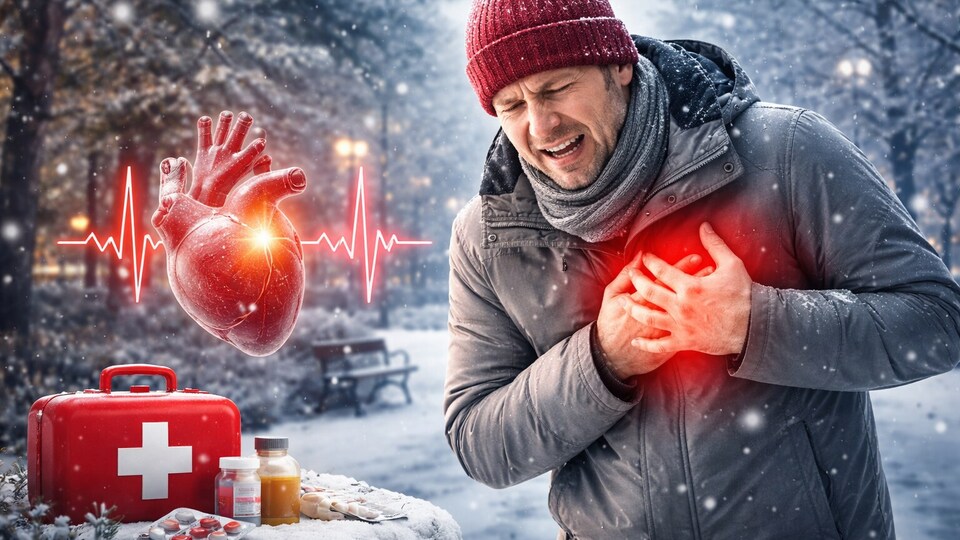
From cold-induced blood pressure spikes to clot risks, a doctor reveals why winter stresses the heart and how vulnerable populations can protect themselves.
Every winter, Indians deal with all kinds of health issues, from asthma flare-ups and skin troubles like eczema to stomach problems. Cold weather, poor air quality, low humidity, and crowded indoor spaces make viruses spread faster. On top of that, the risk of heart problems goes up, often without any warning, and can turn serious quickly.
In an interview with HT Lifestyle, Dr Sudarshan G. T., Additional Director of Cardio Thoracic Vascular Surgery at Fortis BG Road, Bengaluru, explains why winter puts extra strain on the heart, who’s most at risk, and practical steps to prevent serious cardiac issues during the colder months. (Also read: Pooja Hegde shares her simple diet plan with home-cooked meals for fit body: ‘I mostly have eggs or sometimes mom dosa’ )
How cold weather affects the heart
“Cold weather triggers a series of physiological responses as the body works to maintain its core temperature,” explains Dr Sudarshan. “Blood vessels constrict to reduce heat loss, leading to a rise in blood pressure and an increased workload on the heart. Over time, this sustained strain can weaken the heart muscle and increase the risk of events such as heart attacks or heart failure.”
He adds, “Winter also alters blood circulation patterns. Reduced fluid intake, lower levels of physical activity, and vessel constriction slow blood flow and increase blood viscosity, creating conditions that favour clot formation. These clots can obstruct blood vessels and interrupt the supply of oxygen and nutrients to vital organs. Additionally, the inflammation caused by colds and flu can destabilise fatty plaques in blood vessels, triggering sudden cardiovascular events, including strokes.”
Who is most at risk
“People with existing heart conditions, such as blocked arteries or a previous heart attack, are the most vulnerable,” says Dr Sudarshan. “Their hearts and blood vessels are less able to handle the extra pressure during cold spells, which forces the heart to work harder.”
“Those with high blood pressure or diabetes are also at greater risk. Cold exposure can cause blood pressure to rise, while diabetes can impair pain perception and mask symptoms, allowing complications to progress without early warning signs,” he explains.
“Senior citizens, smokers, and people with high cholesterol or obesity are similarly vulnerable, as their bodies are less able to adjust to sudden temperature changes. This increases the chances of clot formation and reduces oxygen supply to the heart.”
Precautions to stay heart-healthy
Key precautions for high-risk populations, according to Dr Sudarshan:
- Stay consistently warm: Protect yourself from sudden temperature drops by dressing in layers and keeping your environment adequately heated, especially during early mornings and nights.
- Take medications exactly as prescribed: Do not skip or adjust medicines for heart conditions, blood pressure, diabetes, or cholesterol during winter.
- Monitor vitals regularly: Keep track of pulse, respiratory rate, blood pressure, and blood sugar, as colder weather can cause unexpected fluctuations.”
- Keep moving and stay hydrated: Light daily activity and adequate fluid intake help maintain circulation and reduce clot risk. However, do this indoors and avoid over-exertion to prevent shocking the heart.
- Act early on warning signs or infections: Do not ignore chest discomfort, unusual fatigue, breathlessness, dizziness, or flu-like symptoms; seek medical advice promptly.
Note to readers: This article is for informational purposes only and not a substitute for professional medical advice. Always seek the advice of your doctor with any questions about a medical condition.


Catch your daily dose of Fashion, Taylor Swift, Health, Festivals, Travel, Relationship, Recipe and all the other Latest Lifestyle News on Hindustan Times Website and APPs.


