
 E-Paper



Bruce Willis health condition frontotemporal dementia explained by neurologist: ‘Symptoms may get worse over time if…’

 Prefer HTon Google


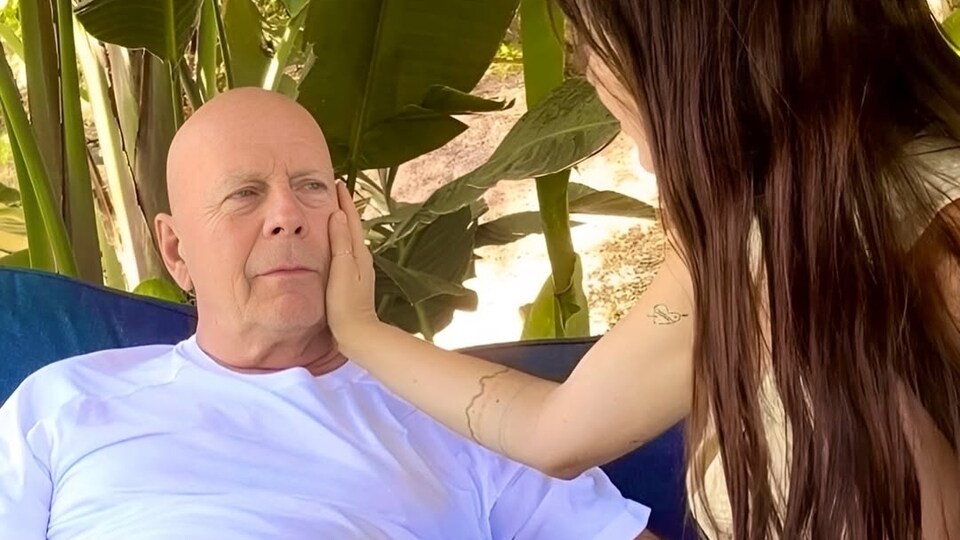
What condition does actor Bruce Willis suffer from? Here's how a neurologist explained frontotemporal dementia, which has no cure and is uncommon.
Bruce Willis is battling frontotemporal dementia (FTD), a progressive brain disorder that affects memory, speech, movement, and behaviour. The Express's July 22 report suggests Bruce Willis' health has taken a significant turn for the worse due to his dementia as he can no longer speak, read, or walk independently, relying heavily on his family for daily care. Also read | Bruce Willis can no longer speak, walk; may not remember acting days: All about Hollywood icon's tragic health decline
Bruce Willis' battle with frontotemporal dementia
It is also reported that he may not remember his illustrious acting career or iconic roles in films like Die Hard and Pulp Fiction. At 70-years-old, Bruce requires constant care as FTD is a rare and devastating form of dementia that affects behaviour, language, and movement. Unfortunately, there's no cure, and the focus now is on palliative care to maintain Bruce's quality of life.
Bruce was initially diagnosed with aphasia in 2022, which affects speech and language comprehension. Later in 2023, his family confirmed he had frontotemporal dementia. In a February 2023 interview with HT Lifestyle, Dr Najeeb Ur Rehman, senior consultant neurology, Marengo QRG Hospital, Faridabad, explained in detail what frontotemporal dementia is all about.
What is frontotemporal dementia exactly?
“Frontotemporal dementia is a neurological disorder that primarily hits the nerves of the frontal and temporal lobes of the brain. These areas of the brain are usually linked to personality, behaviour and language. Symptoms of frontotemporal dementia may vary from person to person. If left unnoticed, symptoms may get progressively worse over time. People suffering from this disorder may show symptoms such as behavioural changes, motor disorder, speech and language problems,” he said.
Dr Rehman added that frontotemporal dementia is an umbrella term for a group of brain disorders that primarily affect the frontal and temporal lobes of the brain. Damage to neurons leads to early atrophy and shrinkage of these lobes, he said.
What are symptoms of frontotemporal dementia?
The most commonly reported signs of frontotemporal dementia, as per Dr Rehman, are extreme changes in behaviour and personality. He said, “These are increasingly inappropriate social behaviour, loss of empathy and other interpersonal skills like having sensitivity to another's feelings, lack of judgment, loss of inhibition, lack of interest (apathy) which can be mistaken for depression, repetitive compulsive behaviour like tapping, clapping or smacking lips, a reduction in personal hygiene, changes in eating habits, generally overeating or developing a preference for sweets and carbohydrates, eating inedible objects and compulsively wanting to put things in the mouth.”
Other symptoms include emotional issues, communication difficulties, difficulties at work, or difficulties walking, Dr Rehman added. Some subtypes of frontotemporal dementia may lead to language problems or impairment or loss of speech, and motor-related problems are tremor, rigidity, muscle spasms or twitches, poor coordination, difficulty swallowing, muscle weakness, inappropriate laughing or crying and falls or walking problems, he shared. FTD is uncommon and tends to occur early in life, unlike other types of dementia, and about 60 percent of FTD patients are between the ages of 45 and 64, the doctor also said.
Note to readers: This article is for informational purposes only and not a substitute for professional medical advice. Always seek the advice of your doctor with any questions about a medical condition.


Catch your daily dose of Fashion, Taylor Swift, Health, Festivals, Travel, Relationship, Recipe and all the other Latest Lifestyle News on Hindustan Times Website and APPs.


