
Can smog be a hidden male fertility risk? Gynaecologist explains the link between air pollution and sperm health quality
Air pollution and smog can harm male fertility by affecting sperm health and reproductive outcomes. Find important ways to prevent these problems.
Air pollution remains one of the biggest health hazards. While we often discuss its respiratory and cardiac effects, a less discussed but equally alarming threat is its effect on fertility. Several studies have shown that polluted air doesn’t just harm our lungs; it may also be silently affecting our ability to procreate. Prolonged exposure to air pollutants like PM10, PM2.5, sulfur dioxide (SO2), nitrogen oxides (NOx), ozone (O3), and carbon monoxide (CO) has been linked to reduced ovarian reserve, lower pregnancy rates, and even sperm DNA damage.
Tavishi Dogra is a Deputy Chief Content Producer, Health & Wellness, at Hindustan Times. She has over 9 years of experience writing about fitness, nutrition, and mental well-being, translating medical research and expert insights into practical advice readers can trust.
Career journey and experience
Tavishi began her health journalism journey in 2017, and has since reported for RSTV, Financial Express, Jagran, HT Media Labs and Zee. She joined Hindustan Times to simplify wellness subjects by cutting through jargon.
From decoding health trends and interviewing doctors to testing fitness routines herself, Tavishi always approaches content with one filter: “Will this help someone make a better decision today?”
Subject expertise
With 9+ years tracking India’s health conversations, Tavishi knows the gap between clinical advice and daily life. She knows fads from fundamentals and curates science-backed, expert-recommended solutions.
In fitness, she breaks down bodyweight training, recovery, and posture fixes for desk-bound readers. In nutrition, she translates guidelines into affordable, desi meal tweaks. In mental well-being, she focuses on stigma-free, actionable tools — all backed by research, expert input, and lived context.
Education and professional background
Tavishi holds a Master’s degree in Journalism and Mass Communication and began her career reporting on public affairs for broadcast. Those early years in policy and TV shaped how she writes today: fast, factual, and human-first.
Editorial Philosophy
I write with one single goal: To simplify health in a world full of noise by finding what’s actually doable, safe, and evidence-based for my readers. I test claims against research and user experiences. When all else fails, I speak to the expert who sees 50 patients a day, not the one with the most followers.
Read moreRead less
Career journey and experience
Tavishi began her health journalism journey in 2017, and has since reported for RSTV, Financial Express, Jagran, HT Media Labs and Zee. She joined Hindustan Times to simplify wellness subjects by cutting through jargon.
From decoding health trends and interviewing doctors to testing fitness routines herself, Tavishi always approaches content with one filter: “Will this help someone make a better decision today?”
Subject expertise
With 9+ years tracking India’s health conversations, Tavishi knows the gap between clinical advice and daily life. She knows fads from fundamentals and curates science-backed, expert-recommended solutions.
In fitness, she breaks down bodyweight training, recovery, and posture fixes for desk-bound readers. In nutrition, she translates guidelines into affordable, desi meal tweaks. In mental well-being, she focuses on stigma-free, actionable tools — all backed by research, expert input, and lived context.
Education and professional background
Tavishi holds a Master’s degree in Journalism and Mass Communication and began her career reporting on public affairs for broadcast. Those early years in policy and TV shaped how she writes today: fast, factual, and human-first.
Editorial Philosophy
I write with one single goal: To simplify health in a world full of noise by finding what’s actually doable, safe, and evidence-based for my readers. I test claims against research and user experiences. When all else fails, I speak to the expert who sees 50 patients a day, not the one with the most followers.
How do environmental toxicants affect male fertility?
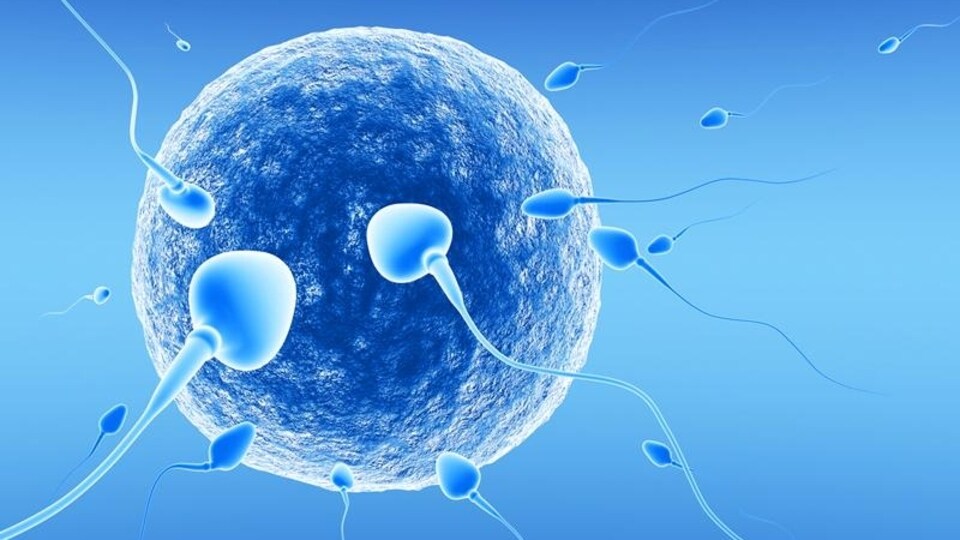
Scientists worldwide are observing a gradual decline in sperm concentration, motility, and morphology among men living in urban areas. “Long-term environmental exposure to polluted air has been associated with low-quality semen, which impacts natural conception as well as assisted conception through IVF”, Dr Isha Nandal, Obstetrician, Gynaecologist and Advanced Laparoscopic Surgeon, Yellow Fertility, Rohtak, tells Health Shots. The root cause of fertility decline due to air pollution is oxidative stress.
DNA damage in sperm
Air pollution is characterised by elevated concentrations of toxins, dust, and other harmful pollutants that generate excessive surges of free radicals in the body. "When the toxins exceed the body’s natural antioxidant defences, they start to target cells, including those of sperm, says the obstetrician. While semen analysis may not be immediately sensitive to DNA damage, many men may be at risk of fertility problems before conception problems arise.
What are the environmental factors affecting male fertility?
Male fertility is more affected by prolonged exposure to environmental pollutants, including traffic-related pollution, industrial effluents, construction-site pollution, cigarette smoke, and indoor pollutants, which can lead to hormonal imbalances. "Testosterone levels for sperm production can be reduced or fluctuate due to hormonal imbalances triggered by contaminants, says the gynaecologist. A study published in Frontiers in Endocrinology suggests that environmental pollutants are causing a 50% reduction in sperm levels.
How does pollution affect fertility?
Many couples begin thinking about fertility only when they decide to start a family, but the biological impact of pollution often begins years earlier. "Sperm health represents lifestyle and environmental exposure from the past 2–3 months, meaning what men are inhaling today can influence fertility outcomes months later. This is why the fertility conversation must evolve; traditionally, discussions around infertility revolve around women’s biological clock, stress, weight, and lifestyle factors," says the laparoscopic surgeon. However, with rising global pollution levels and mounting scientific evidence, environmental health warrants equal consideration in fertility evaluations.
The medical community, therefore, must begin implementing environmental exposure monitoring in reproductive health services, the expert notes. "The health sector should acknowledge the connection between fertility and ecological health. People in government concerned with preventing respiratory illnesses are unaware of the critical side of the issue," says the doctor. Protecting air quality is not merely about survival; it is about safeguarding the very essence of life and the families yet to come.
Awareness and subsequent active intervention can significantly reduce the fertility hazards posed by pollution. "Most minor tweaks in individuals' daily life choices, such as avoiding heavy-traffic areas, using air purifiers indoors, ensuring proper ventilation, and avoiding smoking, can go a long way toward maintaining sperm health, says Dr Nandal. Adding foods rich in antioxidants, such as berries, spinach, nuts, seeds, and vitamins C and E, can work wonders.
(Note to readers: This article is for informational purposes only and not a substitute for professional medical advice. Always seek the advice of your doctor with any questions about a medical condition.)
ABOUT THE AUTHORTavishi DograTavishi Dogra is a Deputy Chief Content Producer, Health & Wellness, at Hindustan Times. She has over 9 years of experience writing about fitness, nutrition, and mental well-being, translating medical research and expert insights into practical advice readers can trust. Career journey and experience Tavishi began her health journalism journey in 2017, and has since reported for RSTV, Financial Express, Jagran, HT Media Labs and Zee. She joined Hindustan Times to simplify wellness subjects by cutting through jargon. From decoding health trends and interviewing doctors to testing fitness routines herself, Tavishi always approaches content with one filter: “Will this help someone make a better decision today?” Subject expertise With 9+ years tracking India’s health conversations, Tavishi knows the gap between clinical advice and daily life. She knows fads from fundamentals and curates science-backed, expert-recommended solutions. In fitness, she breaks down bodyweight training, recovery, and posture fixes for desk-bound readers. In nutrition, she translates guidelines into affordable, desi meal tweaks. In mental well-being, she focuses on stigma-free, actionable tools — all backed by research, expert input, and lived context. Education and professional background Tavishi holds a Master’s degree in Journalism and Mass Communication and began her career reporting on public affairs for broadcast. Those early years in policy and TV shaped how she writes today: fast, factual, and human-first. Editorial Philosophy I write with one single goal: To simplify health in a world full of noise by finding what’s actually doable, safe, and evidence-based for my readers. I test claims against research and user experiences. When all else fails, I speak to the expert who sees 50 patients a day, not the one with the most followers.Read More
Catch your daily dose of Fashion, Taylor Swift, Health, Festivals, Travel, Relationship, Recipe and all the other Latest Lifestyle News on Hindustan Times Website and APPs.

E-Paper


