
 E-Paper



Can your teeth affect brain health? Expert reveals how dental issues may lead to serious conditions like Alzheimer's

 Prefer HTon Google


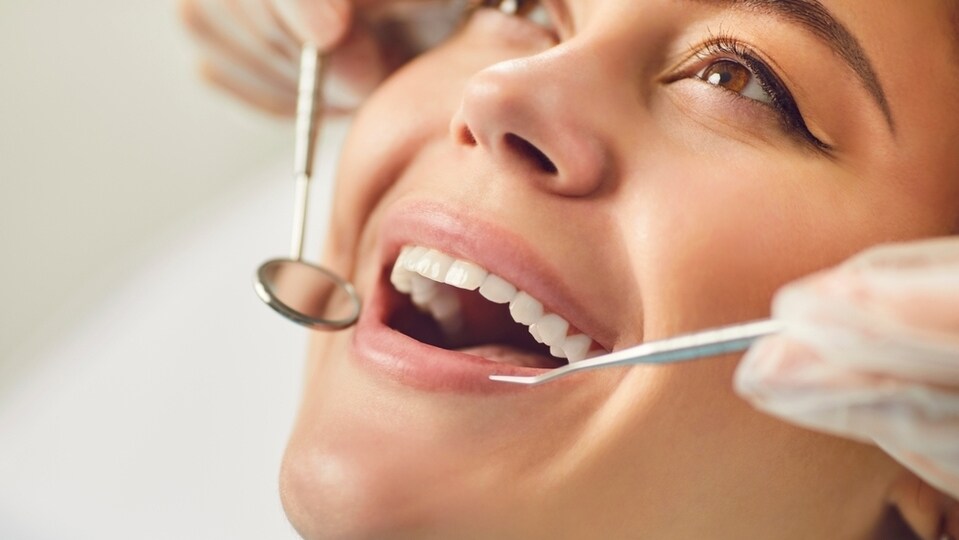
Oral health is connected to brain health, making it all the more important to care for it. Here's everything you need to know.
Taking care of your teeth is essential for more than just preventing cavities and gum diseases. Some dental diseases have been linked to cognitive decline, memory loss, and even conditions like Alzheimer’s disease. Your oral health could have a greater impact on your brain than you might realise.
Every part of the body functions as a connected system rather than in isolation. Just as the gut-brain axis links digestion to mental wellbeing, oral health is also deeply interconnected with overall health, even playing a role in cognitive function. It turns out that neglecting your regular brushing can have far-reaching consequences.
ALSO READ: Skipping brushing your teeth before sleep? Doctor explains how your heart is paying the price
In an interview with HT Lifestyle, Dr Saumya Saluja, Periodontal Surgeon and Health Educator with The Healthy IndianProject(THIP), shared how poor oral health can impact your cognitive health.
She said, “Poor dental health may be an antecedent for subsequent cognitive impairment. Poor oral health—including tooth loss, caries, and periodontal disease- may be an underappreciated risk factor that may lead to the development of cognitive impairment through dietary changes, malnutrition, and a systemic inflammatory response associated with an increased risk of stroke and Alzheimer's disease.”
This makes it all the more important for early intervention for dental diseases before they escalate and impact the brain.
Oral issues that may impact brain health

Dr Saluja shared a list of dental diseases and impairments that may have an effect on brain health:
Periodontitis
It's a critical contributor to cognitive decline. Patients suffering from periodontitis, a chronic inflammatory illness that damages the tissues supporting teeth, may have higher levels of certain systemic inflammatory markers. These inflammatory mediators may have the potential to breach the blood-brain barrier, causing neuroinflammation and the ensuing loss in cognitive function.
Periodontitis–related inflammation may also contribute to vascular complications by reducing the cerebral flow, ultimately increasing the risk of cognitive impairment. Furthermore, those who struggle with periodontal disease harbour a complex oral microbiome. One of the key pathogenic bacteria associated with periodontal disease, Porphyromonas gingivalis, can enter the bloodstream, colonise the brain, and infiltrate neural tissue. This bacterial invasion may cause damage to the neurones and has been implicated in the development of Alzheimer's disease.
Dental caries
Caries is the most prevalent cause of tooth loss in younger patients and is believed to be brought on by an acid-producing oral bacteria in individuals who frequently consume sugar-rich foods. However, unlike periodontitis, caries is not usually believed to trigger an inflammatory response throughout the body; it has been associated with impaired cognition in senior adults.
Impaired chewing ability
People who have lost teeth have trouble eating food, even with dentures, leading to low masticatory efficiency. As a result, those with low masticatory efficiency may need to adjust to consuming diets heavy in saturated fats and cholesterol because these foods are simpler to chew than foods high in fibre and micronutrients. Such dietary changes, adaptive to reduced masticatory efficiency, may increase the risk for stroke and dementia by making it difficult to adhere to diets thought to be protective against these conditions.
Measures for good dental health

To ensure optimal brain health, you need to start with proper dental care first, Dr Saluja shared:
- At-Home Dental Care: It is recommended that people clean their teeth twice a day and replace their toothbrushes every three to four months. Regular brushing can be complemented by daily flossing, which facilitates the removal of food particles and interdental plaque. Maintaining good oral hygiene not only helps avoid gum disease but also supports the growth of beneficial bacteria in the mouth, which may have brain-related benefits.
- Routine dental examinations: This will help with the prompt detection and management of oral health issues and can ensure that your timely dental care complements your overall well-being.
- Consume nutritious food: Consume a diet high in calcium, vitamin D, and antioxidants for maintaining the health of the mouth and cognition. Limiting sugary and acidic foods is another strategy to enhance the mouth-brain connection and lower the risk of dental decay.
- Optimal hydration: Drinking water has several advantages for dental health, including preserving saliva production and removing food particles. Furthermore, adequate hydration supports circulation and other bodily functions that support brain function.
- Refrain from using tobacco products: Tobacco use harms the tissues of the mouth and increases the risk of gum disease. Quitting smoking improves your dental and systemic well-being. Since quitting smoking improves circulation and reduces inflammation, it may also benefit cognitive function.
- Avoid stress: Chronic stress can play havoc with both cognitive and oral health. Stress-reduction measures such as yoga, meditation, or deep breathing should be made a part of your daily routine. Reducing stress not only reduces the likelihood of inflammation in the mouth and brain but also helps maintain a robust immune system.
- Be active: Through enhanced delivery of oxygen and nutrients to the brain and oral cavity, physical activity enhances peak cognitive function.
Note to readers: This article is for informational purposes only and not a substitute for professional medical advice. Always seek the advice of your doctor with any questions about a medical condition.


Catch your daily dose of Fashion, Taylor Swift, Health, Festivals, Travel, Relationship, Recipe and all the other Latest Lifestyle News on Hindustan Times Website and APPs.


