
 E-Paper



Cardiologist shares 6 seemingly ‘healthy’ foods that could quietly hurt your heart: Bananas, spinach and more

 Prefer HTon Google


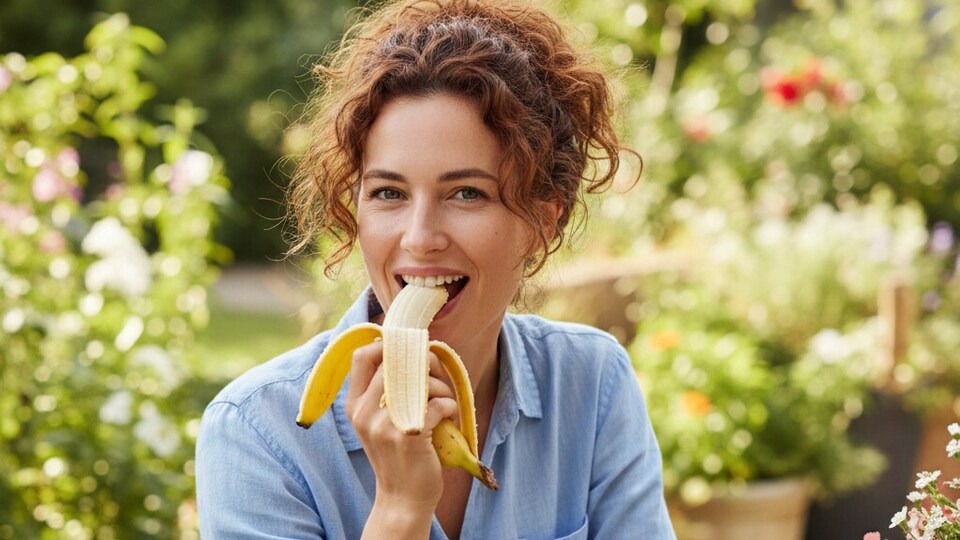
No food is inherently good or bad, but how your body reacts to them depends on your health status and prescribed medications, highlights Dr Yaranov.
When it comes to heart health, we are often told to load up on “healthy” foods - more fruit, more greens, fewer processed options. But nutrition is rarely one-size-fits-all. A food that is beneficial for one person may not suit another, especially when underlying health conditions, lab values and prescription medications come into play. The way your body processes salt, potassium and other nutrients can vary significantly depending on your cardiac and kidney function. That is why heart health is deeply personal - and why even seemingly wholesome foods may need a second look in certain circumstances.
Dr Dmitry Yaranov, a cardiologist and heart-transplant specialist with expertise in advanced heart failure and mechanical circulatory support, has outlined six seemingly “healthy” foods that may quietly harm your heart, particularly for those with underlying cardiac conditions or on specific medications. In an Instagram video shared on February 25, the cardiologist explains, “It’s not that these foods are bad. It’s that your heart, kidneys, and medications change how your body handles salt, potassium, and metabolism.”
1. Bananas
According to Dr Yaranov, bananas are naturally high in potassium, which is generally beneficial for heart and muscle function. However, if your kidneys are not functioning optimally or you are taking certain heart failure medications, your body may struggle to regulate potassium levels effectively. He explains, “High potassium. If your kidneys are struggling or you’re on spironolactone or ARNI, potassium can build up too high.”
2. Grapefruit
Grapefruits may be healthy, but they can alter how your liver breaks down certain medications, particularly after a transplant. If not carefully regulated, this interaction can cause drug levels in the body to rise well beyond safe limits. Dr Yaranov highlights, “Grapefruit changes how your liver breaks down medications. Especially dangerous after transplant. It can push drug levels way past safe.”
3. Spinach
Like bananas, spinach is also high in potassium, which can interfere with the consistency of blood thinners. While it is widely regarded as a healthy, nutrient-dense food, it should be consumed in moderation rather than in excessive amounts, especially for those on certain medications. The cardiologist points out, “Also high potassium and it affects warfarin consistency. Healthy, but needs consistency, not ‘as much as possible’.”
4. Soy sauce
Dr Yaranov highlights that soy sauce is largely composed of sodium, which can significantly increase fluid retention - in some cases by up to two pounds. He explains, “This is pure sodium. One sushi night can mean two pounds of fluid retention and shortness of breath tomorrow.”
5. Liquorice
Often hidden in herbal teas and certain supplements, liquorice can quietly raise blood pressure and lower potassium levels, making it a potentially risky ingredient if consumed regularly or in large amounts. The cardiologist emphasises, “Real black liquorice raises blood pressure and lowers potassium. It hides in teas and supplements.”
6. Red wine
Dr Yaranov highlights that alcohol, even red wine, is directly toxic to the heart and, in some cases, may be the very reason the heart became weakened in the first place. He states, “Alcohol is a direct cardiac toxin. For some, it’s the reason the heart got weak in the first place.”
Ultimately, the cardiologist emphasises that no food is inherently good or bad - how your body responds to it depends on your individual health status, laboratory results and any prescription medications you are taking. He concludes, “Food isn’t good or bad. Food interacts with your labs, your meds, your heart. Know your body. Know your numbers. Stay ahead of this.”
Note to readers: This article is for informational purposes only and not a substitute for professional medical advice. It is based on user-generated content from social media. HT.com has not independently verified the claims and does not endorse them.


Catch your daily dose of Fashion, Taylor Swift, Health, Festivals, Travel, Relationship, Recipe and all the other Latest Lifestyle News on Hindustan Times Website and APPs.


