
 E-Paper



Cardiologist shares why red meat shouldn't be on your plate, explains how it can hurt cardiac health

 Prefer HTon Google


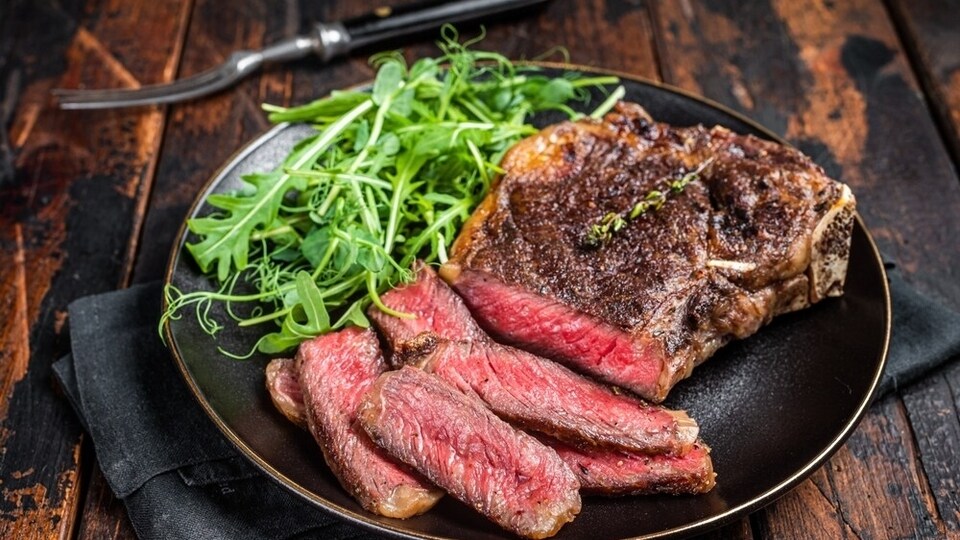
The doctor recommends cutting down on red meat as it spells doom for heart health. Know what are the adverse consequences of excessive red meat consumption.
Red meat is often discussed nowadays, thanks to the growing awareness about protein and iron intake. While meat is a good source of both of these nutrients, there's also a downside due to the adverse impact on cardiovascular health. Dr Jyoti Kusnur, consultant, interventional cardiology at Manipal Hospital Goa, spoke in an interview with HT Lifestyle about red meat's ill effects on the heart, increasing risks of heart diseases and spikes in cholesterol.
ALSO READ: Red meat eaters beware! Study shows it could increase dementia risks; suggests safer proteins
Elaborating about the nutrient content of meat and the two major types of meats, Dr Kusnur said, “Meat has high content of protein and fat, as well as contains certain minerals such as Iron and Vitamins like B12 (which is only available naturally in animal products). Meats can be classified as Red meats (beef, pork, mutton) and white meats, also called ‘lean’ meat (chicken and other poultry).”
Non-vegetarians typically develop eating habits that lean heavily towards meat-based foods, which may lead to a reduced intake of vegetables. It causes an imbalance for healthy dietary requirements. Addressing this issue and the potential consequences, she noted, “Non-vegetarians who consume meat in large quantities eat proportionately lesser quantities of high-fibre rich vegetables; this also leads to constipation, which increases gastrointestinal cancer risk, besides being deleterious for cardiovascular health. Lean white meats (chicken) have a lesser tendency to contribute to cardiac disease.”
Caution for red meat eaters

Cuisines across the world include red meat as a scrumptious gourmet staple, whether it's the West's juicy beef steaks or South Asia's savoury goat meat curries and kebabs. But sharing the health demerits associated with the consumption is vital, as it helps people be more aware and makes them think twice before choosing these as their go-to celebratory meals.
Dr Kusnur highlighted the health demerits which negatively affect the vital organs like the heart and brain. She said, “While meats do have some nutritive value, heart disease is associated with higher meat consumption. ‘Red meats’ are high in saturated fats, which alter the lipid profile by increasing bad Cholesterol (LDL and Triglycerides), leading to increased corrosion and clogging in the arteries, resulting in heart attacks, as well as paralytic brain strokes. Besides, processed red meat is also high in salt, which can increase blood pressure (Hypertension) and contribute to heart failure. Certain preservatives used in red meat can also increase cancers of the colon.”
Commonly, meats are given to people recovering from sickness, but red meat is a strict no-no, especially for those patients who have heart problems. Dr Kusnur added, “People recovering from heart attacks or having high blood pressure and high Cholesterol levels are generally advised to minimise their meat consumption, and avoid red meats, entirely if possible.”
Further, meat dish preparation in India requires a great deal of ‘intense cooking.' Visualise your popular red meat dishes like Mutton Rogan Josh, Rajasthani Laal Maas, Mughlai Mutton Korma and more; all cooked with rich gravies, oil and spices. Foodies love the nuanced flavours packed in the juicy meat. But this momentary gastronomic pleasure sets the foundation for long years of heart trouble.
Dr Kusnur suggested avoiding preparations which involve high-intensity cooking, saying, “Our traditional Indian methods of cooking meat involve much deep frying, and addition of oil during seasoning, along with addition of a higher quantity of salt, which should be avoided.”
Need for a ‘balanced plate’

As the cardiologist mentioned earlier, non-vegetarians have a tendency to accommodate more meat on their plate than what is recommended within safe and healthy limits.
Dr Kunsur urged for ‘diversifying food habits’ and said, “Meat-eaters are encouraged to diversify their food habits, to include a large quantity of fruits and vegetables in their diet, in order to offset the harmful effects of meat on heart health. A balanced diet, which includes a variety of whole grains and pulses, nourishes the body with proteins that are heart-healthy.”
Sometimes people also add more meats because of fears of nutritional deficiencies, but the cardiologist debunked this and clarified, “The fear of losing out on vitamins like B12 and iron when one stops eating meat is not justified with today’s medical world advancements. Body's B12 levels can now be easily measured and monitored in any basic laboratory with simple blood tests, and, fortunately, synthetically produced B12 supplements are widely available, which are very effective and inexpensive.”
There are plenty of other sources of iron which are more diverse. “Meat alternative, healthy iron-rich options are green leafy vegetables, along with nuts and seeds. Including citrus fruits and sprinkling freshly cut lemon juice in iron-rich vegetables and foods just before consuming them improves the absorption of iron by the intestines.”
Testing helps one properly take care of heart health. The cardiologist suggested, “Regular follow-ups and monitoring of bad and good Cholesterol levels, blood sugars, haemoglobin, Blood Iron and Vitamin D and B12 levels contribute to improved outcomes in heart patients.”
Note to readers: This article is for informational purposes only and not a substitute for professional medical advice. Always seek the advice of your doctor with any questions about a medical condition.


Catch your daily dose of Fashion, Taylor Swift, Health, Festivals, Travel, Relationship, Recipe and all the other Latest Lifestyle News on Hindustan Times Website and APPs.


