
 E-Paper



Cipla: The early years

 Prefer HTon Google


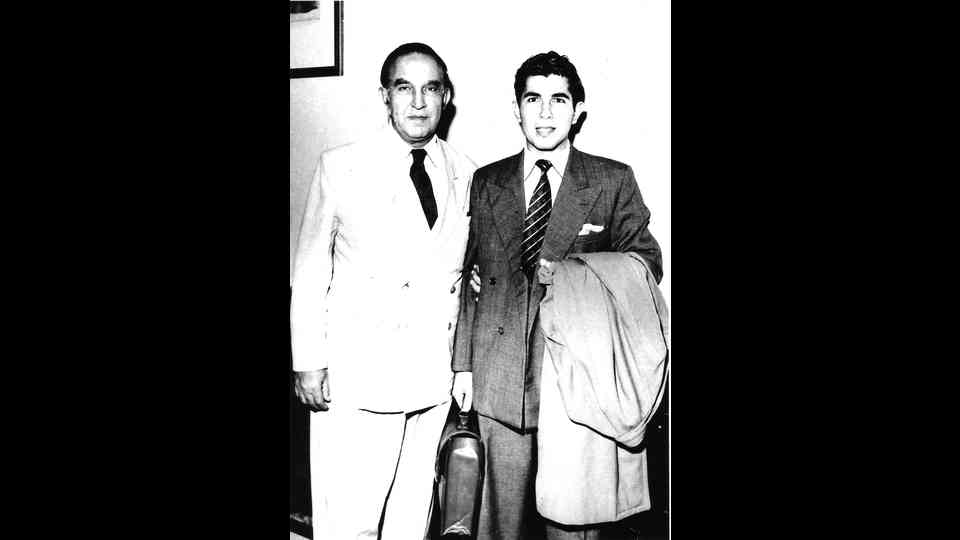
See how a love for chemistry, cricket, and a tonic popular in Germany came together to help build an Indian pharma giant that would eventually turn the tide in the global fight against AIDS.
Okasa, a popular restorative tonic in Germany was launched in India by Khwaja Abdul Hamied in the 1930s. It proved to be so popular that it gave him the seed capital to set up Cipla in 1935.
Cipla built its brand (thought that may not have been the objective), using a vehicle now used by many brands, Cricket. In the late 1950s, the Cipla team, which included future test stars such as Rusi Suri, Ajit Wadekar, and Salim Durrani was a force to reckon with in the Mumbai league.
Zackie Achmat, a South African AIDS activist who rubbed shoulders with leaders such as Nelson Mandela, created a stir, when, in 1998, he refused the imported Anti Retro Virals (ARVs) citing their cost that put them out of the reach of most poor Africans suffering the disease. His protest lasted for five years and ended in 2003 when he swallowed a tablet of Cipla’s version of the ARV, Triomune. Its cost? 38 cents a day.
(From: Caring for Life, The Cipla Story by Tulsi Vatsal)


