
 E-Paper



Did you know it is possible to get a period even when you don't ovulate? Doctor explains what is anovulatory bleeding

 Prefer HTon Google


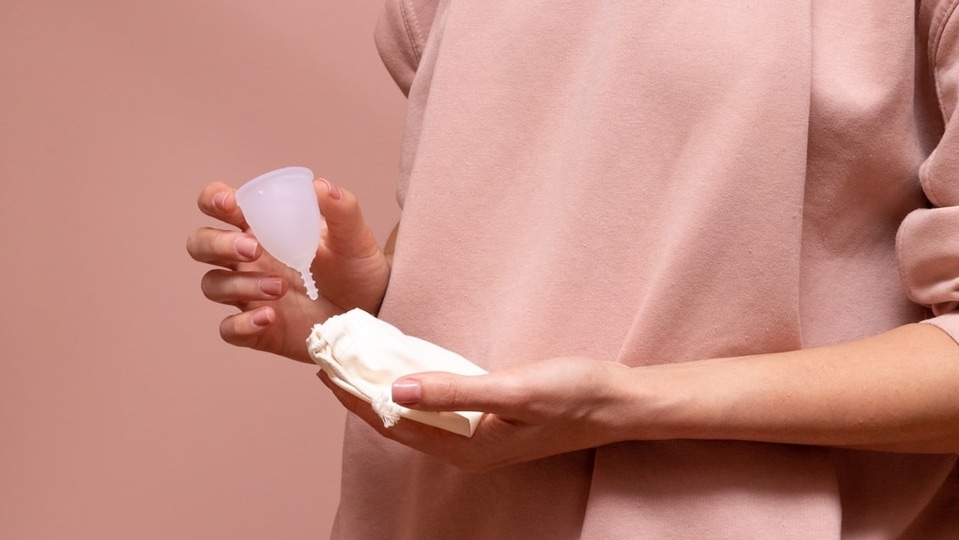
According to Dr Sood, it is medically possible to have bleeding resembling a period even when you don't ovulate. He explains why this happens.
Irregular cycles and unpredictable periods are often brushed off as a delayed period or hormonal fluctuation, but sometimes there may be more going on beneath the surface. Many people assume that if bleeding happens every month, ovulation must be happening too – but medically, that isn’t always the case.
It’s possible to experience bleeding that looks like a menstrual period even without releasing an egg. If your cycles are difficult to track, your bleeding feels inconsistent, or you’re unsure when – or if – you’re ovulating, it may be worth looking into more closely rather than assuming it’s part of a normal cycle.
Dr Kunal Sood, an anaesthesiologist and interventional pain medicine physician, is breaking down what may be happening in the body when periods become irregular or unpredictable. In an Instagram video shared on May 29, he explains the concept of anovulatory bleeding – what it means, why it happens, and how it can influence hormonal balance and menstrual health.
A menstrual period without ovulation
According to Dr Sood, many people assume that bleeding every month – especially when it looks and feels like a period – automatically means everything is functioning normally in the body. However, he explains that this isn’t always true, particularly when cycles are irregular or unpredictable. He highlights that it’s possible to bleed every month without actually ovulating, meaning an egg may not be released despite what appears to be normal menstrual bleeding.
The physician further explains that in a typical cycle, ovulation triggers the release of progesterone, which helps the uterine lining build and then shed in an organised, timely, and predictable way. He notes, “A lot of people think that if you bleed every month, you must be ovulating. But medically, that's not always true. You can still have monthly bleeding even when no egg was released. In a normal cycle, ovulation triggers progesterone production. Progesterone helps stabilise the uterine lining so it sheds in a more organised and predictable way.”
What happens in the body when you don’t ovulate?
When no egg is released, progesterone is not produced, while oestrogen can continue thickening the uterine lining. Over time, that lining may become unstable and begin shedding irregularly, causing bleeding that can resemble a period but actually follows a different hormonal pathway. Dr Sood refers to this as anovulatory bleeding, and notes that it is commonly seen in conditions such as PCOS, thyroid disorders, and even with certain lifestyle-related changes.
The physician explains, “When ovulation doesn't happen, progesterone is missing. Oestrogen keeps stimulating the lining on its own, causing it to keep thickening without proper regulation. Eventually, that lining becomes unstable and starts breaking down irregularly which can still cause bleeding that looks like a period even though ovulation never actually occurs. This is called anovulatory bleeding and it's common in conditions like PCOS, thyroid disorder, significant stress, major weight changes or sometimes during puberty and perimenopause.”
Why you should see a doctor
Dr Sood highlights that this matters because ovulation is about much more than fertility alone. It plays an important role in regulating hormones and supporting long-term endometrial health. That’s why he stresses that if your periods are irregular, unusually heavy, or unpredictable, it may be worth speaking to a doctor – even if bleeding is still happening every month.
The physician notes, “The reason it matters is because ovulation is not just about fertility. Ovulation is also part of hormonal balance and long-term endometrial health. That's why persistent irregular cycles, very unpredictable bleeding or difficulty tracking ovulation are worth discussing with the doctor rather than just assuming everything is functioning normally because bleeding is still happening.”
Note to readers: This article is for informational purposes only and not a substitute for professional medical advice. It is based on user-generated content from social media. HT.com has not independently verified the claims and does not endorse them.


Catch your daily dose of Fashion, Taylor Swift, Health, Festivals, Travel, Relationship, Recipe and all the other Latest Lifestyle News on Hindustan Times Website and APPs.


