
 E-Paper



Do you get angry easily and regret later? Deepak Chopra offers tips to manage it

 Prefer HTon Google


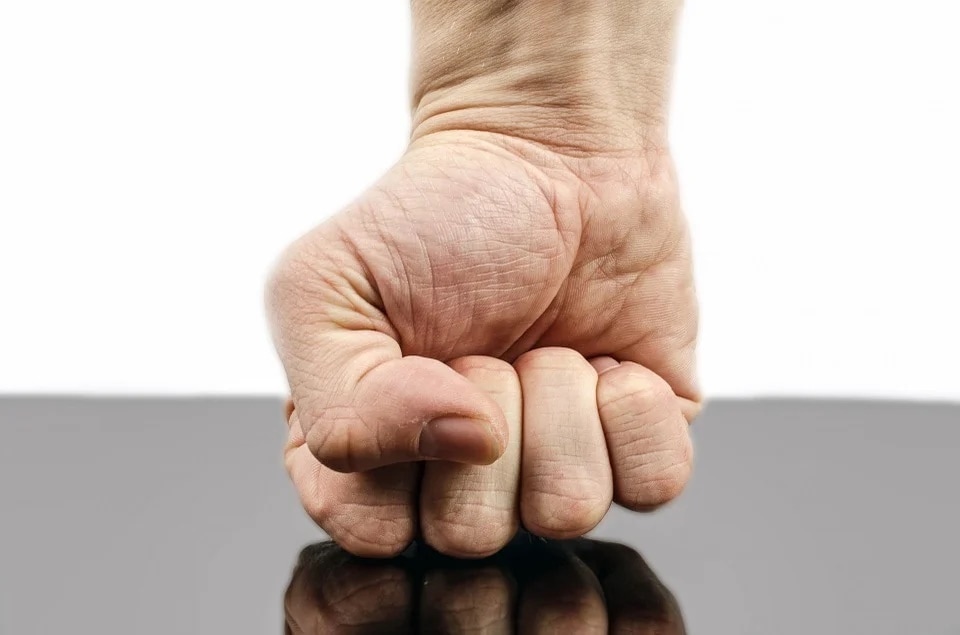
While anger can be a useful emotion if used sparingly and expressed properly, uncontrolled anger has many long-term adverse effects on your health.
Are you one of those people who instantly get enraged over minutest of triggers or the one who manages to stay calm even in the middle of a storm? While there will always be situations in life where you will be tempted to give an earful to the other and react using bitter words, the aftermath of such angry outbursts is hard to face.
The anger bouts no wonder end in regret and a wish to handle the situation in a better way the next time.
While anger can be a useful and positive emotion if used sparingly and expressed properly, uncontrolled anger has many long-term adverse effects on your health. Anger triggers body's 'fight or flight' response and raises the amount of stress hormones like adrenaline and cortisol.
ALSO READ: What is the best time for meditation? Deepak Chopra answers
If unmanaged anger can lead to a variety of health problems like anxiety, depression, headache, high blood pressure and even heart attack.
If you too feel agitated all the time over slightest of reasons, you need to follow these tips by spiritual leader and author Deepak Chopra.
Chopra answering a query related to getting rid of anger on the spot, in #AskDeepak Q & A series, said that it is pertinent to recognise the anger response in oneself before expressing it in words or behaviour.
He said one can override that anger-instinctive-reaction, with the help of acronym, S.T.O.P.
S - Stands for 'stop, just stop', hold on, wait a minute.
T - Stands for 'take three deep breath and then smile.' Feel your whole body smile.
O - Stands for 'observe' what’s happening inside of you. The anger probably doesn’t feel very good. But you have to observe it to know that. Acknowledge how it feels.
P - Stands for proceed with awareness and kindness.
Creating this positive habit of stopping and introspecting can go a long way in controlling your instinctive anger response.
"It will work wonders. After a while you will have retrained yourself not to react angrily, but with awareness," says Chopra.


