
 E-Paper



Doctor explains link between season change and allergies, shares tips to manage symptoms at home

 Prefer HTon Google



Dr Rominder Kaur lists four factors that set off seasonal allergies and what can be done to manage the condition that stays active for weeks.
One of the most recognised signs of season change is the rise in allergies within the population. According to respiratory medicine expert Dr Rominder Kaur, the same pattern of coughing and sneezing shows up every October, and people often put it down to a seasonal cold. However, in many cases, there is no virus behind the disease.
Also Read | Long-term exposure to air pollutants can increase the risk of chronic kidney disease: Nephrologist explains
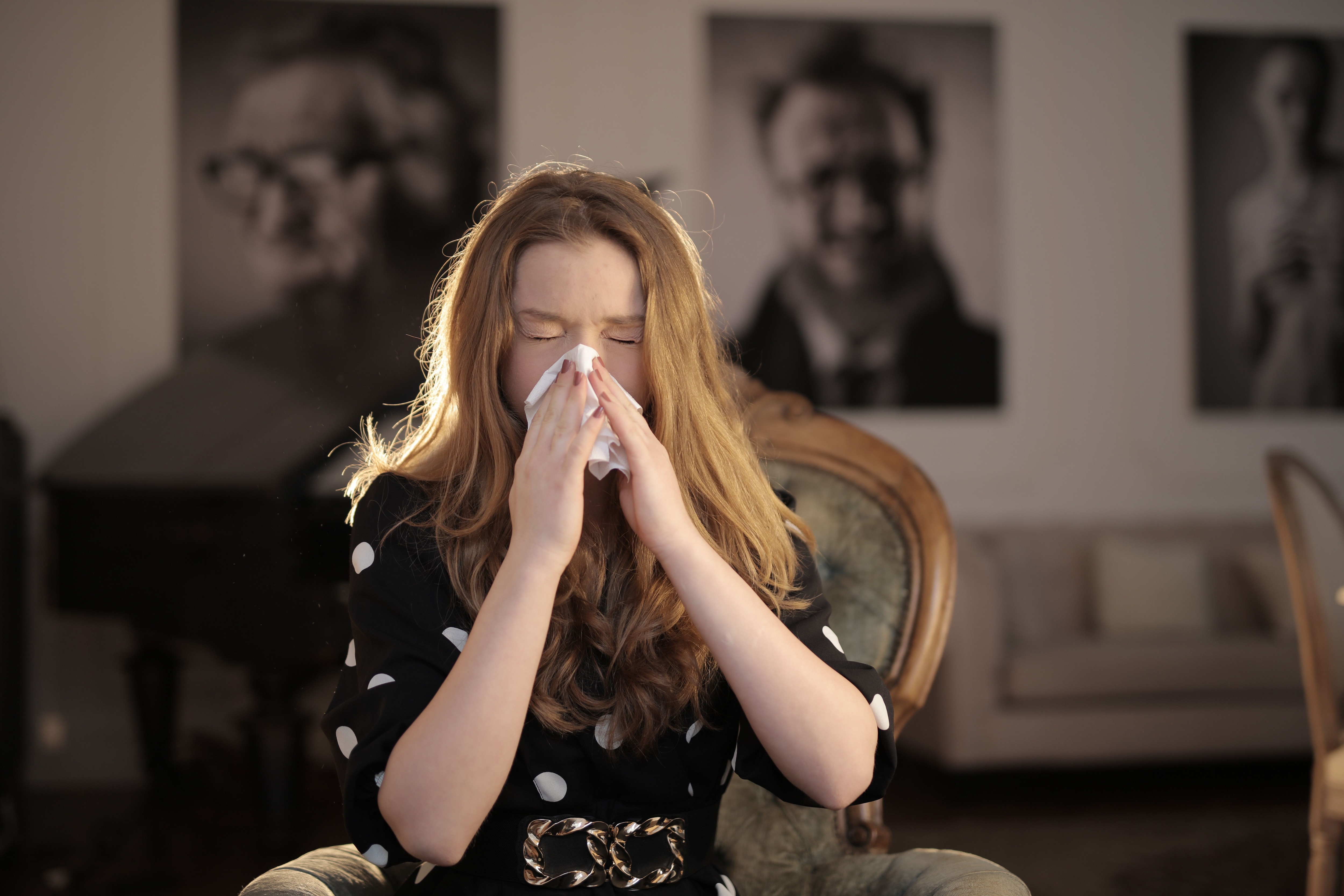
“The nose and airways are reacting to the air around us, and the lining of the nose gets inflamed. This is called allergic rhinitis, and it can come back year after year when the weather turns,” shared Dr Kaur with HT Lifestyle. She noted that the usual signs of the allergy can include sneezing, itching, a blocked nose or a clear, runny nose, as well as a cough.
She went on to elaborate on why it happens and what can be done about it, which are presented as follows.
What sets off allergies during season change?
Dr Kaur noted that there are several allergy triggers that come into play as the season changes. Some of the prominent ones are listed below.
- Change in weather: Colder air is usually drier, and breathing it in can irritate the airways, making them narrow and tighten, shared Dr Kaur. This reaction is called bronchospasm.
“People with asthma or another long-term lung condition feel it the most, as their airways are already inflamed, but even people with healthy lungs can cough and wheeze in cold air. Those with respiratory allergy also tend to have more acute asthma attacks when the seasons and weather change,” she shared.
- Dust mites: These microscopic creatures live in bedding, carpets and upholstered furniture. Their droppings and broken-down body parts inflame the nose and airways. Dust mites are among the leading causes of allergy worldwide, warned Dr Kaur.
- Mold spores: Damp corners at home often hide mold, a fungus that releases tiny spores into the air. Indoor mould levels are higher in autumn and winter than in the monsoon, which raises the risk of exposure. Research has linked fungal allergy to both allergic rhinitis and asthma.
- Pollen: Plants release this fine powder into the air to reproduce. As Dr Kaur stated, “In a person with allergic rhinitis, the immune system treats pollen as a threat and makes an antibody that sets off inflammation in the nose.”
How to differentiate between a seasonal cold and an allergy?
In the words of Dr Kaur, “A cold usually comes with body ache or fever and settles within a week. An allergy tends to bring itchy eyes and nose, clear mucus and symptoms that keep returning for weeks.”
The physician further noted that allergic rhinitis and asthma also overlap a great deal, and a cough with wheezing, or breathlessness at night, should not be ignored.
How to manage allergy symptoms?
According to Dr Kaur, most symptoms of seasonal allergies can be managed at home.
“Wash bedding in hot water regularly and dry it in sunlight to cut down dust mite exposure,” she advised. “Keeping indoor humidity below 50 per cent also helps. Warm fluids and soups soothe the throat, and fresh fruit and vegetables support general health, though no food can cure an allergy.”
Note to readers: This article is for informational purposes only and not a substitute for professional medical advice. Always seek the advice of your doctor with any questions about a medical condition.
Dr Rominder Kaur is the Additional Director of Respiratory Medicine at Fortis Escorts Hospital, Amritsar. She has over 23 years of clinical experience.


Catch your daily dose of Fashion, Taylor Swift, Health, Festivals, Travel, Relationship, Recipe and all the other Latest Lifestyle News on Hindustan Times Website and APPs.


