
 E-Paper


Dry scalp or dandruff? A dermatologist explains how to identify the right winter scalp condition before treating it

 Prefer HTon Google


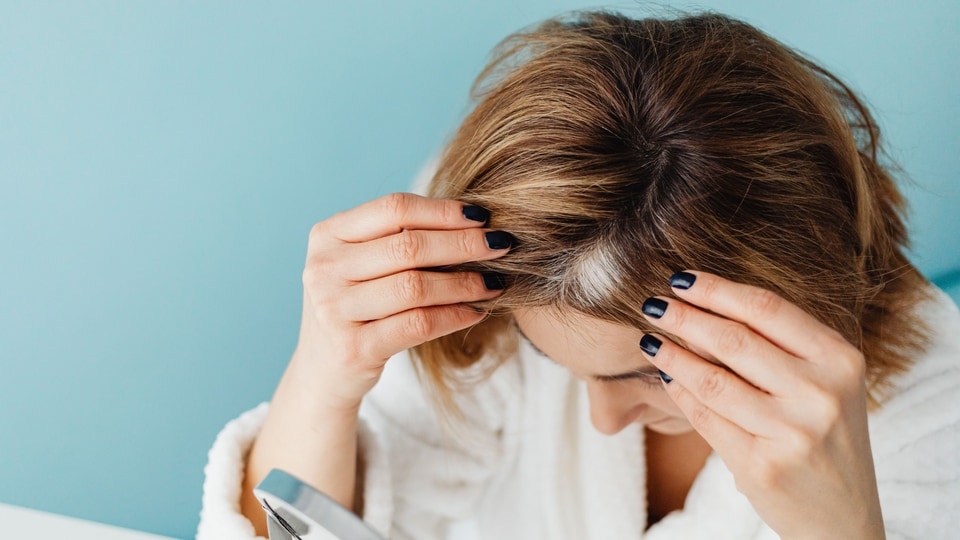
An itchy scalp does not always mean dandruff. Here’s how to tell the difference between a dry scalp and dandruff before choosing the right treatment.
During winter, people complain a lot about a flaky scalp, itchiness, and dryness. Some people automatically think that this is because of dandruff, and then they start using anti dandruff shampoos to find the solution. Dry scalp should be treated in different ways because they are two different conditions, and if both are treated in the same way, then it can cause irritation, which can lead to a delay in the relief process. In an interview with HT Lifestyle, Dr Hina Kukreja, founder and medical director at Zurie Skin Clinic, explained how knowing the difference can help you avoid the wrong hair care routine.
Also read | Hair care routine for women: The ultimate guide for silky, shiny, and glossy hair
Dry scalp vs dandruff
According to Dr Kukreja, when the skin loses its moisture because of cold weather, dry air, hot showers or washing hair everyday with strong shampoo then the scalp can become dry. Some symptoms of dry skin can include small, dry, white flakes, and this can also lead to a tight or uncomfortable feeling on the scalp. Dandruff occurs when the scalp reacts to an everyday fungus called Malassezia.
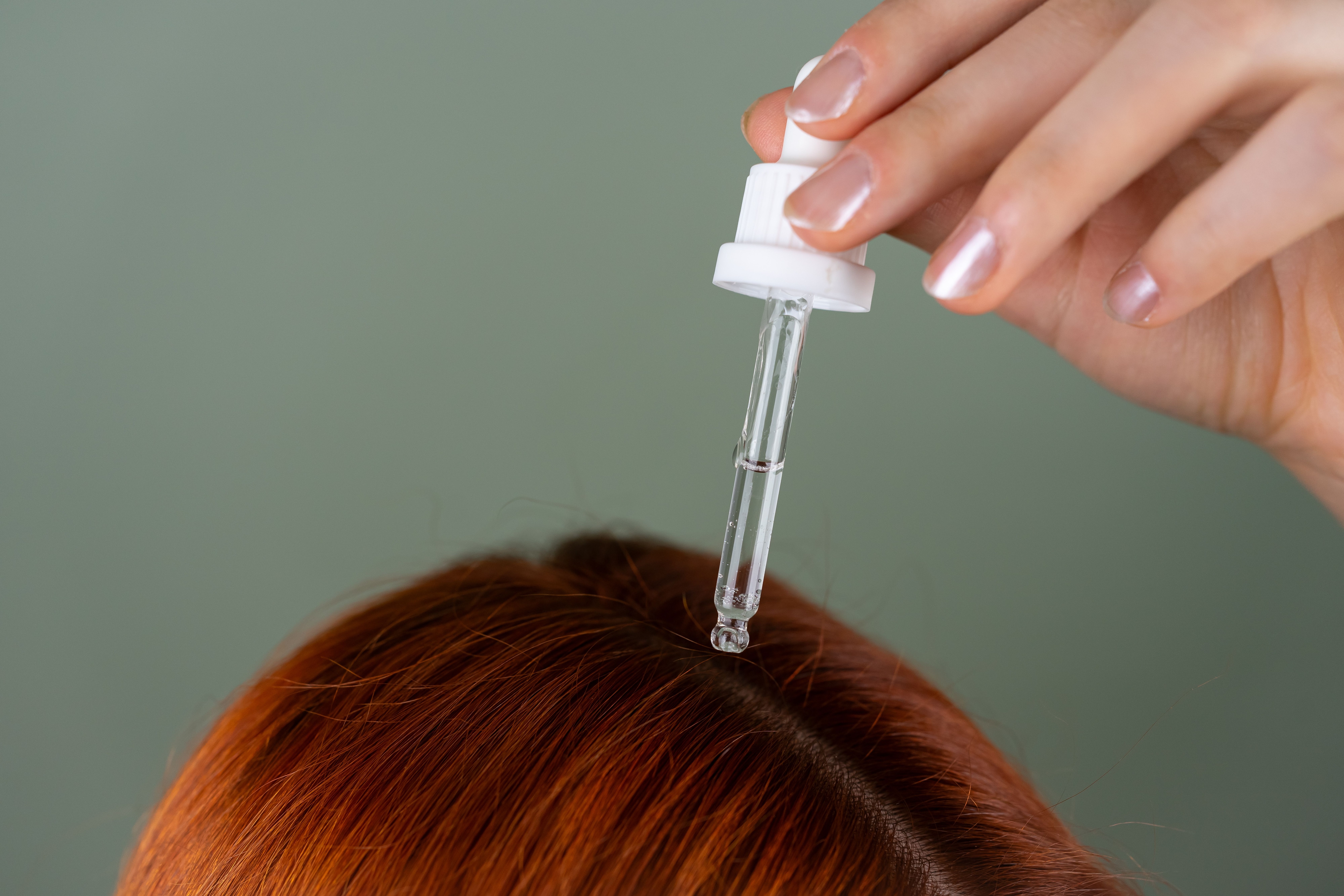
Things to avoid while treating dandruff and dry scalp
If a person applies too much oil to a flaky scalp, then it may make the problem worse for some people because it can increase the irritation and worsen seborrhoeic dermatitis, which is a condition that can cause redness, itching, and flaky skin. “Some components that are present in anti-dandruff shampoos, such as zinc pyrithione, ketoconazole, or selenium sulfide, are very useful in dandruff control for the reduction of scales,” highlighted Dr Kukreja. But if a person uses these products when their scalp is already dry or irritated, then it can make the discomfort worse.
Winter grooming practices
Some winter hair grooming practices can worsen the condition of the hair and scalp, such as washing the hair with hot water, scrubbing vigorously, switching shampoo frequently, and leaving shampoo on the scalp.
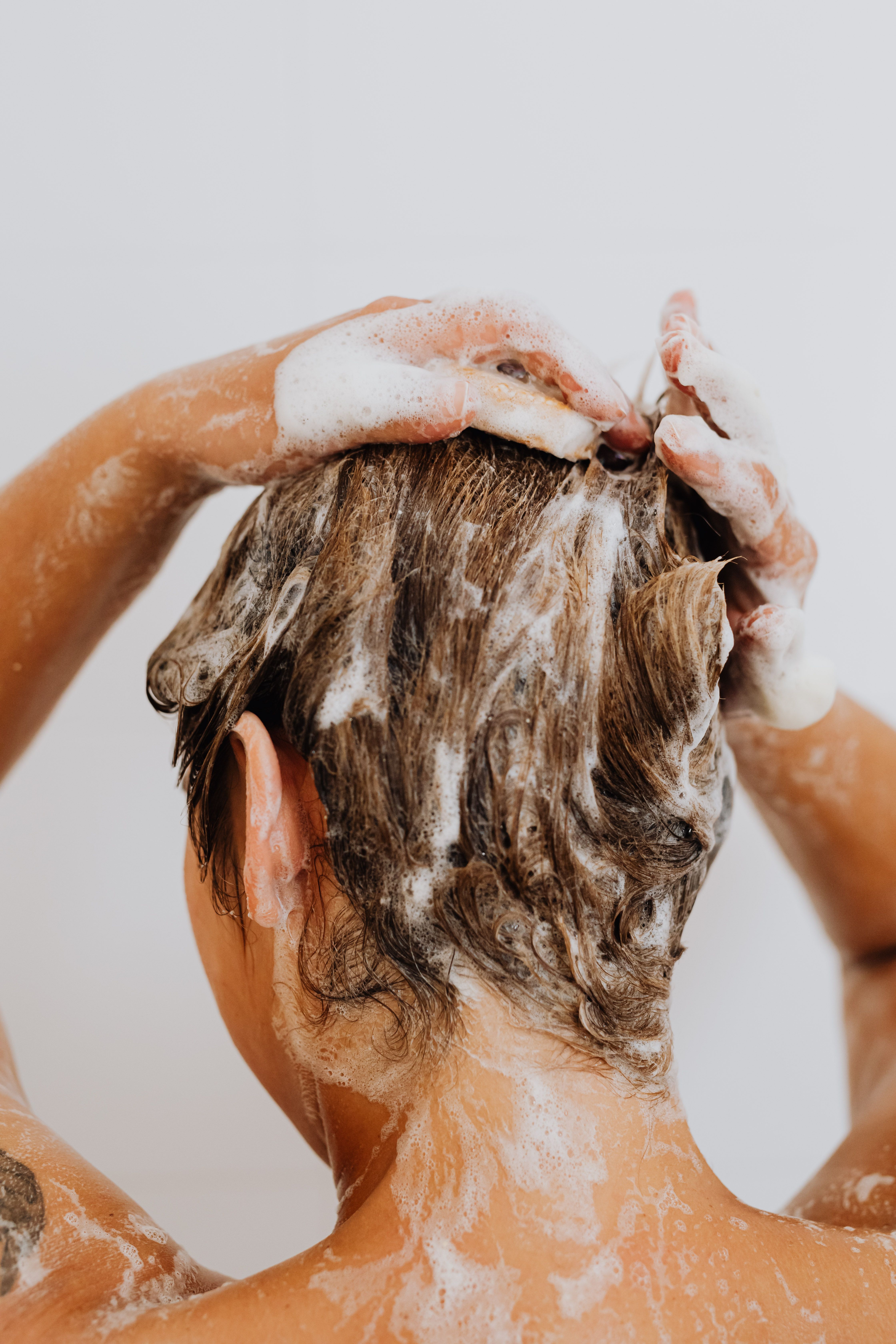
It is better to use warm water in place of hot water, use mild shampoo when dryness is the main concern, and avoid scratching or forceful removal of flakes. Those who have dandruff should use a medicated shampoo as per the directions mentioned on the label, only after consulting with a doctor; also avoid washing your hair more often when you don't know the actual problem.
If someone has a flaky scalp, it does not always mean that it is because of dryness or dandruff. Both conditions should be treated in different ways; if both are treated in the same way, then it can lead to redness, thick plaques, heavy inflammation, or symptoms extending beyond the hairline could also be because of psoriasis, eczema, or contact dermatitis.
If the itching and flaking do not go away with treatment, or if there is any pain or crusting, or minimal hair loss, then a visit to the dermatologist is recommended. The aim is not just to remove the dandruff but to understand why it is there. “The products that work for dandruff are not necessarily good for dry scalp and can even make the scalp more irritated, especially in the winter,” highlighted Dr Kukreja.
Note to readers: This article is for informational purposes only and not a substitute for professional medical advice. Always seek the advice of your doctor with any questions about a medical condition.


Catch your daily dose of Fashion, Taylor Swift, Health, Festivals, Travel, Relationship, Recipe and all the other Latest Lifestyle News on Hindustan Times Website and APPs.


