
 E-Paper



Food poisoning recovery guide: Nutritionist shares 5 tips on what to eat and what to avoid

 Prefer HTon Google



Consume a lot of water, avoid fried foods and move to light and bland foods, said the nutritionist.
Food poisoning occurs when a person consumes food contaminated with harmful bacteria, viruses, parasites, or toxins. Early warning signs typically include nausea, vomiting, diarrhoea, and stomach cramps. In an interview with HT Lifestyle, Dr Karuna Chaturvedi, head of clinical nutrition, Max Super Speciality Hospital, Noida said, “Recovering from food poisoning requires a careful, step-by-step approach to help your stomach heal. The key is to stay hydrated, rest the gut, and slowly reintroduce easily digestible Indian foods.” Also read | Food poisoning: Causes, symptoms and prevention
Dr Karuna Chaturvedi shared a recovery guide that can help manage the symptoms of food poisoning:
1. Start with hydration
Food poisoning often causes vomiting and loose motions, leading to dehydration. Your first focus should be to consume fluids. Start with boiled water, ORS (oral rehydration solution), coconut water, rice kanji (rice water), and light nimbu paani (without salt or sugar overload). Avoid aerated drinks, coffee, tea, and packaged juices. Take small sips at frequent intervals to prevent nausea.
2. Move to light, bland foods
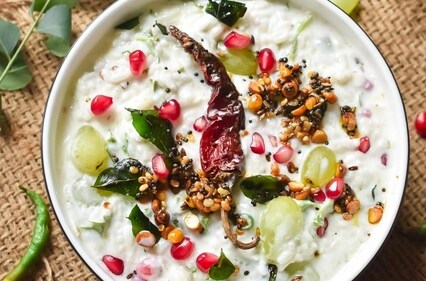
Once you can keep fluids down, begin with mild, binding foods that are gentle on the gut, such as curd rice, moong dal khichdi, boiled potatoes, steamed rice with salt, and roti without ghee or oil. Stick to small portions, spaced across the day. Also read | Food poisoning versus appendicitis: Doctor shares how to spot the differences
3. Incorporate soothing additions
After 24–48 hours of stability, add mildly spiced, home-cooked items such as plain upma or suji porridge, sautéed vegetables like lauki, pumpkin, or carrots with less oil and buttermilk (chaas). Use minimal oil and avoid strong tadka or chillies.
4. Avoid these until fully recovered
Having fried foods, spicy curries, street foods, milk, paneer and high fiber veggies can aggravate your system and delay your recovery.
5. Signs you're ready for normal food:
• No vomiting or diarrhoea for at least 24–48 hours
• You feel hungry and comfortable after small meals
• Energy levels begin to return
Reintroduce your regular diet slowly, starting with light home-cooked meals. Also read | Gastroenterologist shares 4 effective hacks to prevent summertime food poisoning and when to visit a doctor
Note to readers: This article is for informational purposes only and not a substitute for professional medical advice. Always seek the advice of your doctor with any questions about a medical condition.


Catch your daily dose of Fashion, Taylor Swift, Health, Festivals, Travel, Relationship, Recipe and all the other Latest Lifestyle News on Hindustan Times Website and APPs.


