

 E-Paper



From kaju katli to laddoos: Oncologist explains how festive sweet indulgence and sugar affect body and cancer risk

 Prefer HTon Google



Does sugar really feed cancer cells? As Diwali sweets fill our homes, doctor explains the link between sugar consumption, cancer risk and festive indulgence.
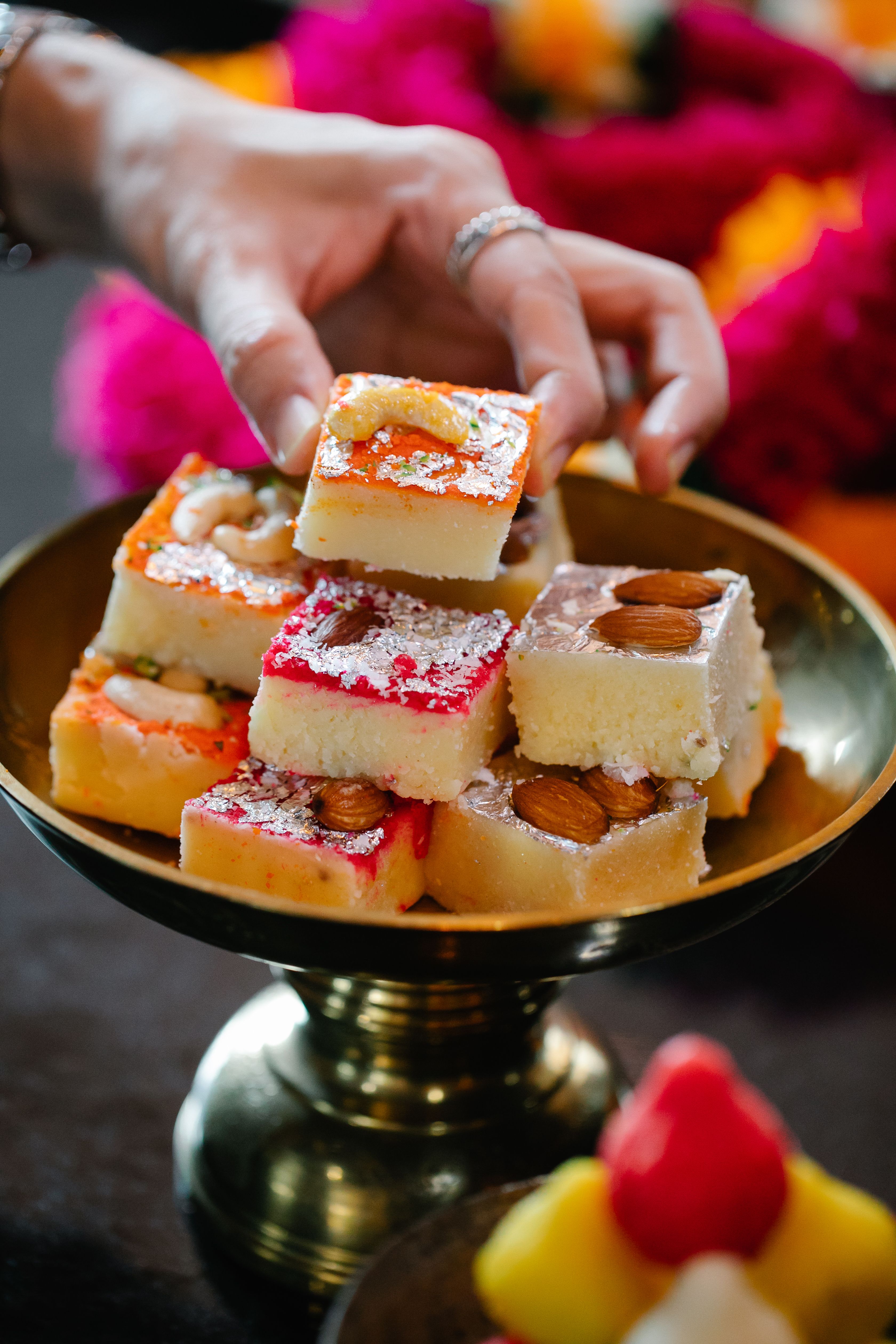
As Diwali approaches, boxes of kaju katli, laddoos and barfi become an integral part of festive celebrations. Amid the indulgence, an important health question often comes to mind: Does eating sugar feed cancer cells? Should people avoid sweets altogether or eliminate sugar from their diet to reduce cancer risk? Understanding the relationship between sugar consumption and cancer is essential to making informed dietary choices, especially during the festive season.
In an interview with HT Lifestyle, Dr Ankur Nandan Varshney, senior consultant medical oncologist, Medanta Hospital, Noida, explains the link between sugar and cancer and why moderation matters. (Also read: Cancer in young adults: Oncologist explains 9 early warning signs and common myths )
Does sugar directly feed cancer cells?
“Cancer cells use glucose, but so do normal cells throughout the body. The fact that cancer cells consume glucose does not establish that eating sweets directly causes cancer or makes an existing tumour grow faster. Cancer is a complex disease influenced by multiple biological and environmental factors, and reducing it to a simple sugar-versus-cancer equation can create unnecessary fear around food,” says Dr Varshney.
According to Dr Varshney, although sugar is not a direct cause of cancer, consistently consuming excessive amounts of added sugar can affect overall health. Sugary drinks, desserts and highly processed foods can contribute to excess calorie intake and weight gain, particularly when combined with physical inactivity. Excess body weight is associated with an increased risk of several cancers, including certain breast, colorectal and endometrial cancers.
Is occasional festive indulgence a cause for concern?
This distinction matters during the festive season, when sweets may be accompanied by rich meals, frequent snacking and reduced physical activity. Dr Varshney emphasises that enjoying a piece of mithai at a family gathering is not equivalent to regularly consuming large quantities of sugary foods and beverages throughout the year.
“People should focus on their overall eating patterns rather than becoming anxious about an individual sweet. Frequent excess calorie consumption, weight gain and a sedentary lifestyle are more meaningful concerns than the occasional festive dessert. Moderation, balanced meals and regular physical activity are sensible long-term habits, without the need to label every traditional sweet as dangerous,” explains Dr Varshney.
Should cancer patients completely avoid sugar?
A cancer diagnosis can make food choices particularly stressful, especially when patients come across advice claiming that eliminating sugar will starve a tumour. Dr Varshney clarifies that there is no reliable clinical evidence that cutting sugar out of the diet can make cancer disappear or replace established cancer treatment.
He further explains that patients undergoing treatment need adequate energy, protein and essential nutrients to maintain strength and support recovery. Restrictive diets adopted without medical guidance can make it harder to meet nutritional requirements, particularly for people experiencing poor appetite, nausea or unintended weight loss. Individual dietary needs should be discussed with the treating oncologist or a qualified oncology dietitian.
Enjoy the festivities without the fear
This Diwali, Dr Varshney recommends a balanced approach rather than following strict food rules driven by cancer myths. Enjoy traditional sweets in reasonable portions, limit sugary beverages, include vegetables and protein in meals, stay physically active and avoid persistent overeating. People with diabetes or other medical conditions should also follow their individual dietary advice.
“Cancer prevention is not about finding one ingredient to eliminate or one food to eat more of. It is about understanding established risk factors, maintaining sustainable lifestyle habits and seeking timely medical advice. Celebrate the festive season, enjoy food mindfully and make health decisions based on scientific evidence rather than fear,” concludes Dr Varshney.
Note to readers: This article is for informational purposes only and not a substitute for professional medical advice. Always seek the advice of your doctor with any questions about a medical condition.


Catch your daily dose of Fashion, Taylor Swift, Health, Festivals, Travel, Relationship, Recipe and all the other Latest Lifestyle News on Hindustan Times Website and APPs.


