
 E-Paper



Cancer in young adults: Oncologist explains 9 early warning signs and common myths

 Prefer HTon Google


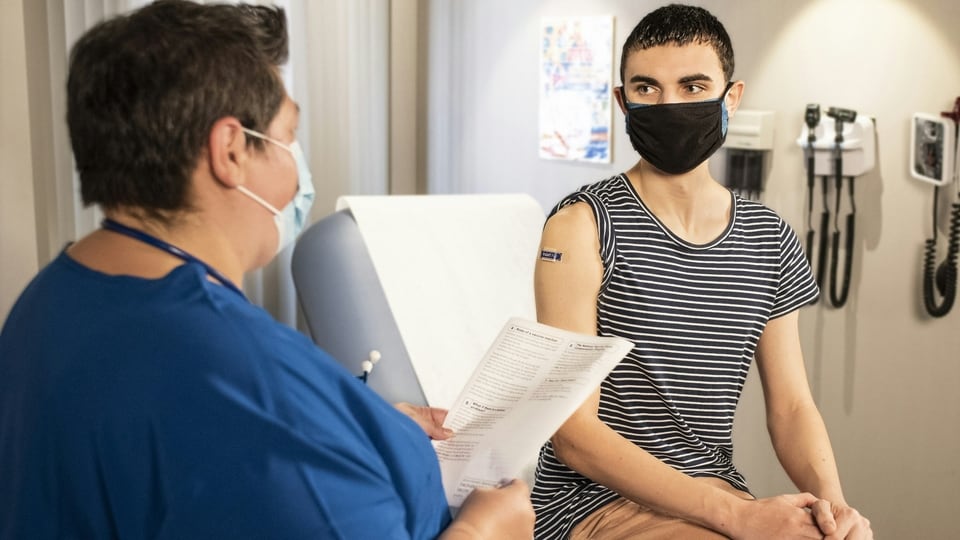
Cancer can affect young adults too, but its early signs are often overlooked. Oncologist explains symptoms, risk factors and importance of timely diagnosis.
Cancer is often associated with older age, but it can also affect young adults, sometimes making the early signs easier to overlook or mistake for everyday health concerns. With cancer among younger people receiving increasing attention, HT Lifestyle spoke to Dr Ankit Jain, Senior Consultant, Medical Oncology, Indraprastha Apollo Hospitals, New Delhi, to understand why cancer can occur in young adults, which warning signs should not be ignored, the common myths surrounding the disease and why early diagnosis matters. (Also read: Beyond 10,000 steps a day: Metabolic health coach shares 5 lifestyle habits that can make a difference )
Why cancer in young adults often goes undetected
"One of the reasons cancer can go undetected in younger adults is that neither patients nor those around them may initially consider it a possibility. Symptoms such as persistent fatigue, unexplained weight loss or recurring discomfort are often attributed to stress, poor sleep or hectic schedules. While these explanations may be correct in many cases, symptoms that persist or repeatedly return should be medically evaluated," says Dr Jain.
He adds that age alone should not determine whether someone seeks medical advice. Although cancer is less common among younger adults than older populations, it can still occur, making awareness of persistent health changes important.
Symptoms that should not be ignored
Cancer symptoms differ depending on the organ or tissue involved. Some signs may be subtle initially, while others can become more noticeable over time. Dr Jain highlights certain symptoms that warrant medical attention, particularly when they continue for several weeks, recur or progressively worsen.
These include:
- Unexplained weight loss
- Persistent fatigue despite adequate rest
- A lump or swelling in any part of the body
- A prolonged cough or changes in the voice
- Unusual bleeding or bruising
- Persistent bloating or abdominal discomfort
- Changes in bowel or bladder habits
- Mouth ulcers or skin sores that do not heal
- Persistently swollen lymph nodes
"These symptoms should not automatically be interpreted as signs of cancer, as many can occur due to non-cancerous conditions. However, when there is no clear explanation for them, or when they persist despite routine care, it is important to consult a healthcare professional rather than continue to ignore them," explains Dr Jain.
He emphasises that a medical evaluation helps identify the underlying cause and determine whether further investigations are necessary.

Common myths about cancer in younger people
The belief that cancer primarily affects older people remains one of the reasons younger individuals may not take certain symptoms seriously. Another common misconception is that maintaining a healthy lifestyle completely eliminates the possibility of developing cancer.
"Leading a healthy lifestyle is an important part of cancer prevention, but it does not make a person completely immune to the disease. Cancer risk is influenced by several factors, some of which may be beyond an individual's control. This is why awareness, appropriate preventive measures and timely medical consultation remain important," says Dr Jain.
Reducing cancer risk through awareness and prevention
Although not all cancers can be prevented, certain lifestyle choices can help lower the risk of developing several types of the disease. Avoiding tobacco, limiting alcohol consumption, maintaining a healthy weight and staying physically active are among the important preventive measures.
Protecting the skin from excessive sun exposure, following recommended vaccination schedules and seeking appropriate medical advice based on individual risk factors are also important. Vaccines against certain infections, including human papillomavirus (HPV) and hepatitis B, can help prevent infections associated with specific cancers.
Dr Jain also stresses the importance of understanding one's usual health patterns. "Prevention is not limited to following a particular diet or exercise routine. It also involves being aware of changes in your health, understanding your family history and following appropriate preventive recommendations. If something feels unusual and continues over time, seeking medical advice is a sensible step," he adds.
Treatment and recovery
"Cancer treatment has evolved considerably over the years. Today, treatment decisions are increasingly guided by the type of cancer, its stage and, in many cases, the molecular characteristics of the tumour. This allows oncologists to consider different treatment options and tailor the approach to the individual patient," explains Dr Jain.
He further notes that care does not end once the primary treatment is completed. Follow-up consultations, monitoring for recurrence, nutritional support, physical activity and attention to emotional well-being are all important aspects of recovery.
"Not every persistent symptom is a sign of cancer, and there is no need to panic over every minor change in the body. At the same time, symptoms that continue, recur frequently or progressively worsen should not be dismissed as stress without proper evaluation. The aim is to identify the cause early and ensure that patients receive appropriate care," says Dr Jain.
Note to readers: This article is for informational purposes only and not a substitute for professional medical advice. Always seek the advice of your doctor with any questions about a medical condition.


Catch your daily dose of Fashion, Taylor Swift, Health, Festivals, Travel, Relationship, Recipe and all the other Latest Lifestyle News on Hindustan Times Website and APPs.


