
 E-Paper



From overnight oats to eggs: Nutritionist reveals what happens to your nutritional intake when you eat the same breakfast every single day

 Prefer HTon Google


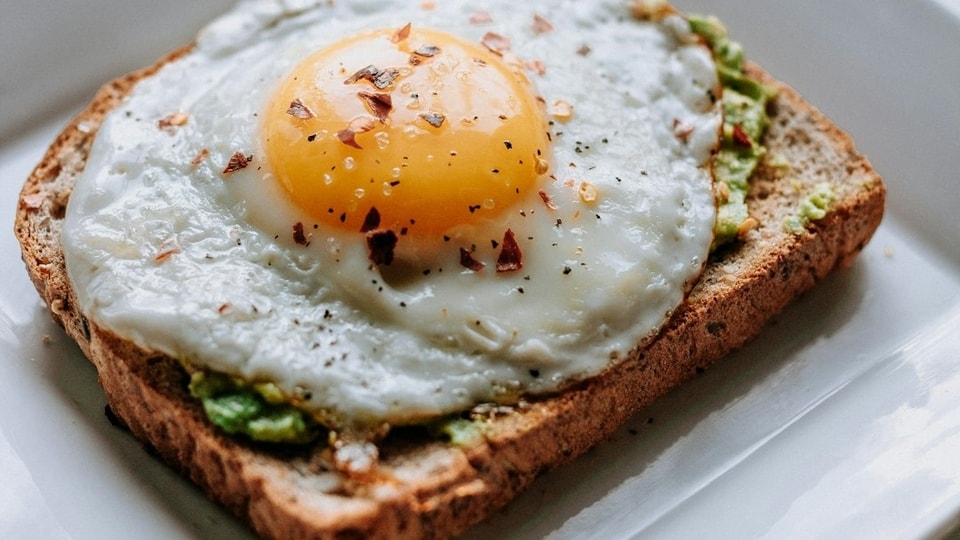
A fixed breakfast routine may save time, but eating the same morning meal every day may affect your overall nutritional health. Here’s what you need to know.
Same oats. Same eggs on toast. Same cup of tea and multigrain biscuits. If your breakfast hasn’t changed in years, you might worry it’s narrowing your diet. According to Lakshmi Kale, head nutritionist at Nutrition In Sync, it probably isn’t. “People feel guilty about eating the same thing every morning. But the concern isn’t the same breakfast. It’s the wrong breakfast,” said Kale.
Also read | Everyday explained: Why do homemade ice cubes turn white and cloudy while restaurant ice looks crystal clear?
What happens when you eat the same breakfast every day?
Routine can work in your favour. A March 2026 study in health psychology followed 112 adults on a 12-week weight-loss programme. Those who ate the same foods repeatedly lost 5.9% of their body weight, compared with 4.3% for those with more varied diets. The researchers note this shows a link, not proof, and motivation may play a part.

“An earlier American Heart Association advisory also found no evidence that eating a wider range of foods helps with weight. More choice at one meal may even delay feeling full. A predictable breakfast won’t hold you back,” highlighted Kale.
But plant variety still matters. That doesn’t mean variety is irrelevant. It counts most when it comes from nutritious foods. A 2025 UK Biobank study of nearly 125,000 adults found that people who ate the widest range of flavonoid-rich foods, like tea, berries and apples, had a 6 20% lower risk of death and several chronic diseases. American Gut Project data also links eating more types of plants with a more diverse gut microbiome.
The bigger gap Kale sees isn’t variety. It’s protein. The ICMR-NIN recommends about 0.83g of protein per kg of body weight a day for healthy adults, which is around 50g for a 60kg adult. Kale recommends getting 20–30g of that at breakfast to keep you full until lunch, prevent blood sugar spikes, and protect muscle. Most popular Indian breakfasts don’t get there on their own. 40g of rolled oats gives about 7g of protein, 50g of poha about 4g, and even 2 eggs only about 13g.
What’s in the bowl is what counts
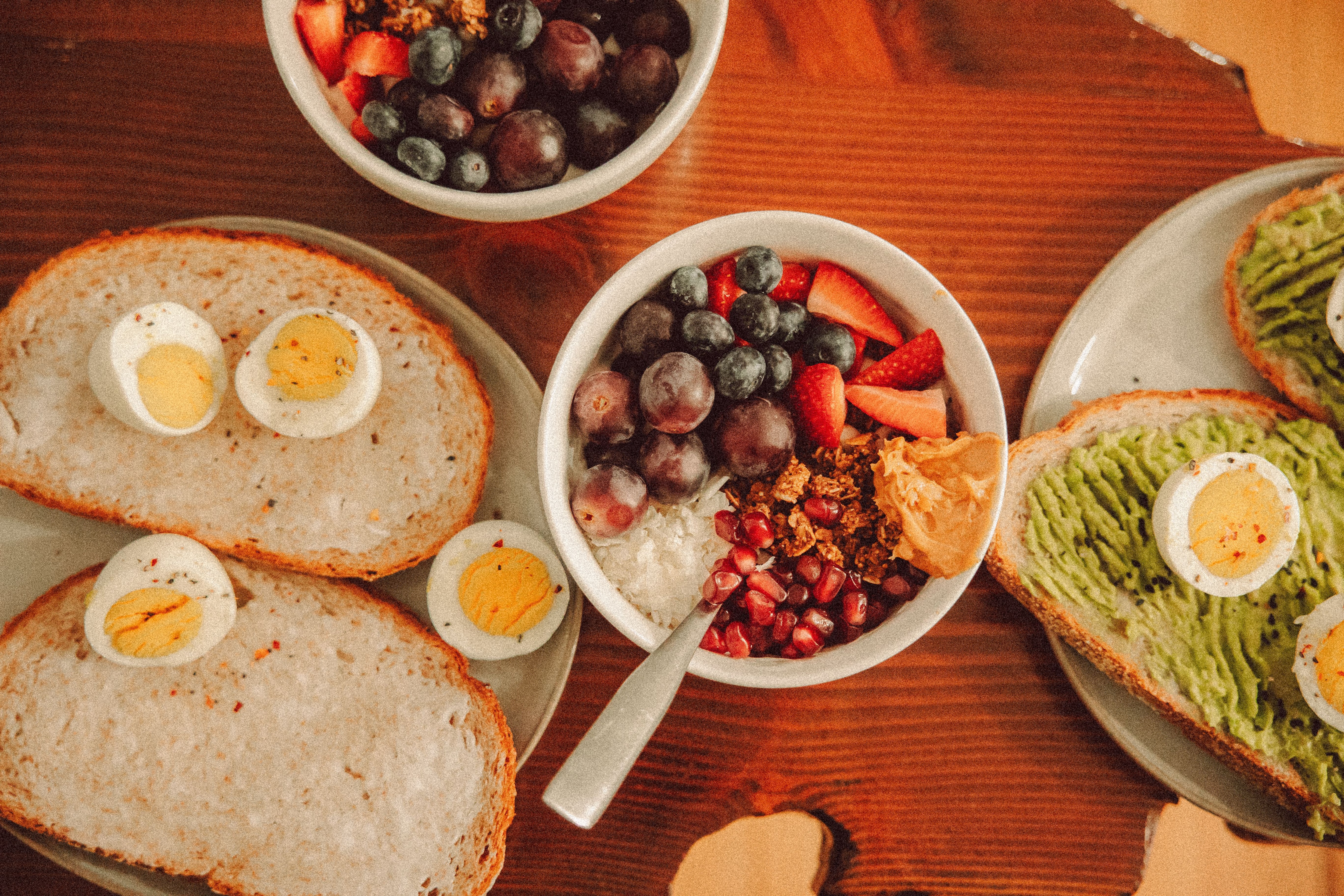
“A sugary cereal every morning is a nutritional gap on autopilot,” said Kale. A balanced breakfast with protein, fibre and fruit is one less decision to get wrong.
Her fix is simple: Keep your oats, poha, chilla or eggs, but make sure each one brings 20–30g of protein. Pair 40g of oats with 150g of Greek yogurt (about 20g), add 100g of paneer to 50g of poha (about 23g), stuff a chilla made with 50g of moong dal with 50g of paneer (about 21g), or make a 3-egg omelette (about 20g). Then switch up the fruit, seeds, nuts, or vegetables through the week. That way, you meet your protein needs and add plant variety without losing the convenience of a routine.
Who should be more careful?
According to Kale, pregnant women, children, older adults, and people on restricted diets need to pay closer attention to both variety and protein. Older adults may also need more protein to maintain muscle. If that’s you, or you suspect you’re missing nutrients, talk to a doctor or dietitian.
Note to readers: This article is for informational purposes only and not a substitute for professional medical advice. Always seek the advice of your doctor with any questions about a medical condition.


Catch your daily dose of Fashion, Taylor Swift, Health, Festivals, Travel, Relationship, Recipe and all the other Latest Lifestyle News on Hindustan Times Website and APPs.


