
 E-Paper



High kiwi prices in India: Gurugram dietician says buy amla, jamun, guava and other affordable, seasonal fruits instead

 Prefer HTon Google


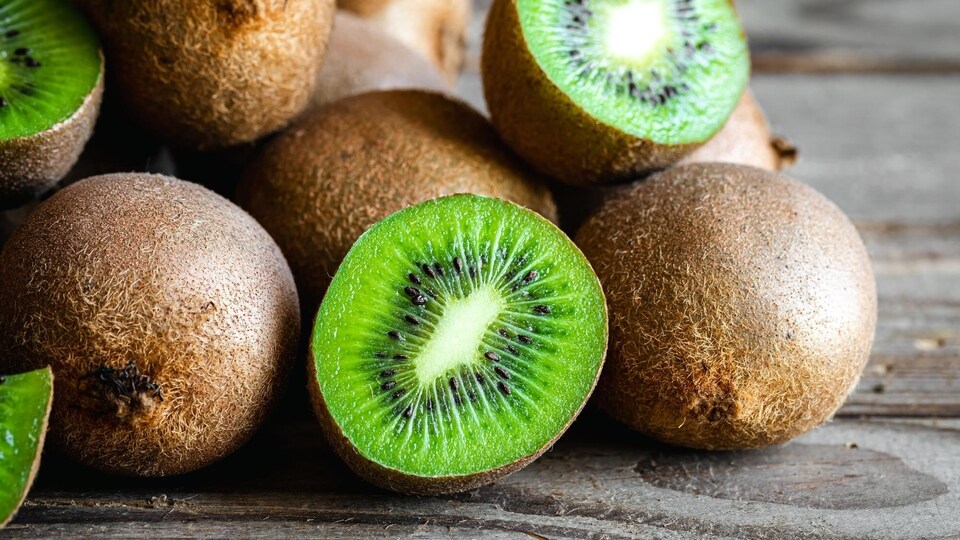
Is the kiwi craze burning a hole in your pocket? With prices hitting almost ₹60 for a single kiwi, it’s time to look at what’s growing in our own backyard.
Amidst surging prices and the inconsistent availability of imported produce, many Indian households are finding the once-staple kiwi increasingly out of reach. However, health experts suggest that the fruit's 'superfood' status might be overshadowing a treasure trove of local, more affordable alternatives. Also read | Want to include kiwi in your diet? 5 ways to make it a part of your daily meals
In an interview with HT Lifestyle, Sandhya Pandey, general manager and chief dietician, Medanta, Gurugram, provided a deep dive into how Indians can maintain optimal nutrition without breaking the bank.
Look beyond the kiwi
While kiwis are celebrated for their specific nutrient profile, Sandhya pointed out that no single fruit is a magic bullet for health: "Kiwi is often appreciated for its vitamin C, fibre, and antioxidant content. However, rising prices and limited availability have made it less accessible for many households. While kiwi can certainly be part of a healthy diet, it is important to remember that good nutrition does not depend on any one fruit."
Sandhya suggested that the secret to a healthy lifestyle lies in variety rather than chasing expensive imports. "Rather than searching for a direct kiwi substitute, it may be more useful to focus on dietary diversity. Every fruit offers a unique combination of vitamins, minerals, fibre, and beneficial plant compounds," she explained.
She added, “During different times of the year, fruits such as amla, guava, citrus fruits, papaya, pineapple, mango, jamun, ber, litchi, jackfruit, sapota, and locally grown berries become widely available in different parts of the country. These fruits contribute important nutrients such as vitamin C, vitamin A, dietary fibre, antioxidants, and potassium, while adding variety and colour to the diet.”

The freshness of Indian 'superfoods'
Sandhya shared that according to the Indian Food Composition Tables, the local market is teeming with fruits that rival — and sometimes exceed — the nutritional value of the kiwi: "Fruits that are harvested during their natural growing season are often fresher, more flavourful, and readily available. They also tend to be more economical... providing nutrients that support overall health."
A significant factor in the high cost of kiwi is its journey from international orchards to Indian plates. Sandhya argued that 'regional availability' is the most practical metric for a healthy diet. "India has a rich diversity of fruits that vary across seasons and geographies. In northern parts of the country, people may have easier access to fruits such as amla, guava, kinnow, ber, and litchi, while in southern regions, fruits like banana, papaya, pineapple, jackfruit, and sapota are more commonly available," she said.
Sandhya added that by choosing what grows nearby, consumers ensure they are getting the fruit's peak nutritional value: "From a nutritional perspective, there is no need to depend on imported fruits when a variety of nutritious local options are available. Choosing fruits that are naturally grown... can help ensure freshness while making healthy eating more practical and sustainable."
Rotate your plate
The takeaway for the budget-conscious consumer is clear: stop hunting for a one-to-one kiwi replacement and start looking at what is currently in season at the local mandi. Sandhya said, "The key message is simple: instead of focusing on finding an alternative to kiwi, focus on eating a variety of seasonal and locally available fruits."
She concluded, "Whether it is amla in winter, mangoes in summer, jamun during the monsoon, or citrus fruits throughout the year, each fruit has something unique to offer."
By embracing a diverse and seasonal approach, Sandhya believes Indians can support their health in a way that is 'more affordable, enjoyable, and sustainable' than relying on expensive global trends.
Note to readers: This article is for informational purposes only and not a substitute for professional medical advice. Always seek the advice of your doctor with any questions about a medical condition.


Catch your daily dose of Fashion, Taylor Swift, Health, Festivals, Travel, Relationship, Recipe and all the other Latest Lifestyle News on Hindustan Times Website and APPs.


