
High uric acid? Experts explain 5 underlying health conditions that might be the real cause
High uric acid can occur from diabetes, hypertension, obesity, or kidney disease. Be ahead with checkups and a balanced diet to prevent its painful symptoms.
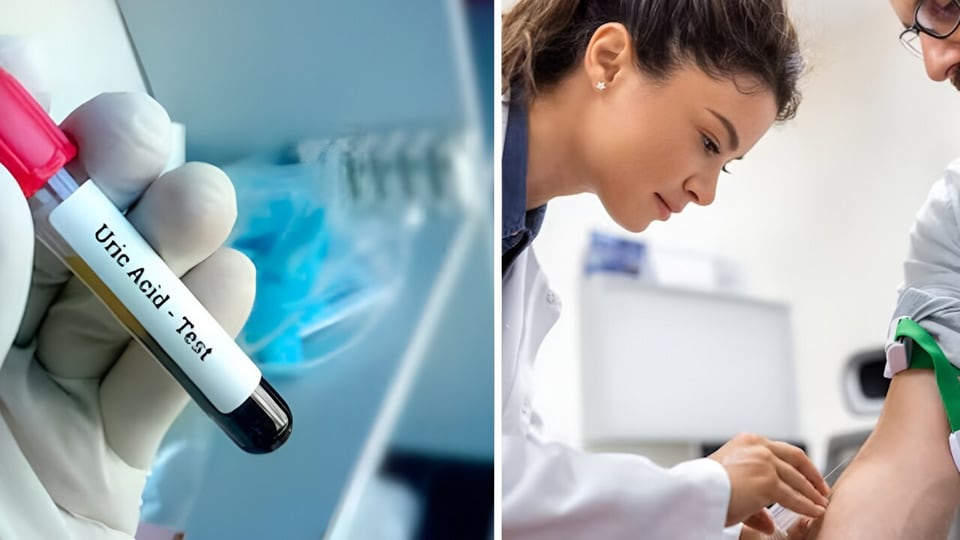
Hyperuricemia refers to an increase in uric acid levels in the body, a condition that can silently progress into painful gout or kidney stones.
Ishika Narang is a Multimedia Writer at the Hindustan Times, with over three years of experience in digital journalism, specialising in health, lifestyle, beauty, and consumer-focused reporting. Her primary coverage areas include evidence-based health journalism, preventive care, wellness trends, and affiliate-driven consumer guides tailored for digital audiences. She began her professional journey in digital media, where she developed expertise in multimedia storytelling and platform-optimised editorial strategies. Over the years, she has worked with reputed organisations such as Park+, Jagran, and Wavel.ai, steadily building credibility in health and consumer journalism. Her work reflects a strong progression in editorial responsibility, combining research-backed reporting with audience-focused content formats. At Hindustan Times, she produces in-depth health and lifestyle features, expert-led explainers, and data-informed consumer stories. She also focuses extensively on affiliate articles, creating well-researched buying guides, product comparisons, and recommendation-based content that balances commercial intent with editorial integrity. Alongside writing, she conceptualises and manages social media storytelling, ensuring content is informative, engaging, and optimised for platform-specific consumption. Her subject expertise includes preventive healthcare, nutrition, supplements, women’s health, beauty trends, consumer awareness, and affiliate commerce content. She integrates expert consultations, peer-reviewed research, verified product analysis, and transparent sourcing. Her strengths lie in evidence-based storytelling, simplifying complex information, and producing reader-first affiliate content that prioritises trust and value. Ishika holds a Bachelor of Commerce (B.Com) in Marketing from Guru Gobind Indraprastha University, which enhances her understanding of consumer behaviour, digital commerce, and audience engagement, skills that complement her specialisation in consumer and affiliate journalism. She is committed to ethical reporting, transparent affiliate disclosures, rigorous fact-checking, and maintaining editorial credibility, ensuring every story upholds reader trust and journalistic standards.
Read moreRead less
According to Dr. Natasha Negalur More, Consultant Rheumatologist at KIMS Hospitals, uric acid is a natural byproduct of the breakdown of chemicals called purines, found in foods such as red meat, seafood, and beer. Normally, uric acid dissolves in the blood and is removed by the kidneys. However, when the body produces too much uric acid or fails to eliminate it efficiently, it begins to accumulate in the blood—a condition known as hyperuricemia. Over time, this buildup can result in gout, when sharp uric acid crystals form in the joints, causing severe pain and inflammation. Diet does matter; underlying medical factors can also contribute to rising uric acid levels.
5 conditions that can raise your uric acid levels
Here are five such conditions that may increase your risk of gout or kidney stones, says Dr. More:
- Kidney disease: The kidneys remove uric acid from the body, and if they are not functioning properly, uric acid cannot be eliminated from the blood, causing uric acid levels to rise.
- Obesity: Excess body weight increases the production of uric acid and lessens the body's ability to eliminate it.
- Diabetes: Normally, insulin helps the kidneys eliminate uric acid from urine. But when the body becomes resistant to insulin, the process slows down, which leads to uric acid buildup.
- High Blood Pressure (Hypertension): If blood pressure is consistently high, it has the potential to harm the kidneys and impair their function in eliminating uric acid from the body. Certain medications used for treating high blood pressure may also be a causative factor.
- Hypothyroidism: Low or inadequate thyroid function can slow the metabolism while allowing uric acid to build up in the blood.
What to include in a diet?
Diet plays a crucial role in maintaining overall health, as gut health directly influences the well-being of various organs. For those with high uric acid, mindful eating can help in managing symptoms and preventing complications like gout or kidney stones. Here’s a simple guide to what you should include and avoid in your daily diet:
1) Include
- Low-purine foods: Fresh fruits, vegetables (except high-purine ones), whole grains, and low-fat dairy.
- Hydration: Drink at least 2.5–3 liters of water daily.
- Alkaline foods: Cucumber, bottle gourd, spinach, and celery help neutralize acid.
- Vitamin C-rich foods: Oranges, guavas, berries, and amla may lower uric acid.
- Healthy fats: Olive oil, nuts, and seeds (omega-3s reduce inflammation).
2. Avoid
- High-purine foods: Red meat, organ meats (liver, kidney), shellfish, and certain fish (anchovies, sardines).
- Alcohol: Especially beer and hard liquor.
- Sugary drinks: Sodas, packaged juices, and foods high in fructose syrup.
- Processed foods: Fried and high-fat snacks.
Conclusion
Uric acid management is more than just medication. Hydration, a normal weight, and a balanced diet with low purine intake can prevent painful attacks. Limitation of alcohol and sweetened drinks also aids in kidney function and the management of uric acid. Small changes to your lifestyle, made consistently, can make a big difference in keeping your joints and overall body safe, says Dr. More.
ABOUT THE AUTHORIshika NarangIshika Narang is a Multimedia Writer at the Hindustan Times, with over three years of experience in digital journalism, specialising in health, lifestyle, beauty, and consumer-focused reporting. Her primary coverage areas include evidence-based health journalism, preventive care, wellness trends, and affiliate-driven consumer guides tailored for digital audiences. She began her professional journey in digital media, where she developed expertise in multimedia storytelling and platform-optimised editorial strategies. Over the years, she has worked with reputed organisations such as Park+, Jagran, and Wavel.ai, steadily building credibility in health and consumer journalism. Her work reflects a strong progression in editorial responsibility, combining research-backed reporting with audience-focused content formats. At Hindustan Times, she produces in-depth health and lifestyle features, expert-led explainers, and data-informed consumer stories. She also focuses extensively on affiliate articles, creating well-researched buying guides, product comparisons, and recommendation-based content that balances commercial intent with editorial integrity. Alongside writing, she conceptualises and manages social media storytelling, ensuring content is informative, engaging, and optimised for platform-specific consumption. Her subject expertise includes preventive healthcare, nutrition, supplements, women’s health, beauty trends, consumer awareness, and affiliate commerce content. She integrates expert consultations, peer-reviewed research, verified product analysis, and transparent sourcing. Her strengths lie in evidence-based storytelling, simplifying complex information, and producing reader-first affiliate content that prioritises trust and value. Ishika holds a Bachelor of Commerce (B.Com) in Marketing from Guru Gobind Indraprastha University, which enhances her understanding of consumer behaviour, digital commerce, and audience engagement, skills that complement her specialisation in consumer and affiliate journalism. She is committed to ethical reporting, transparent affiliate disclosures, rigorous fact-checking, and maintaining editorial credibility, ensuring every story upholds reader trust and journalistic standards.Read More
Catch your daily dose of Fashion, Taylor Swift, Health, Festivals, Travel, Relationship, Recipe and all the other Latest Lifestyle News on Hindustan Times Website and APPs.

E-Paper


