
 E-Paper



How rare lungs cells play important role in cystic fibrosis: Study

 Prefer HTon Google


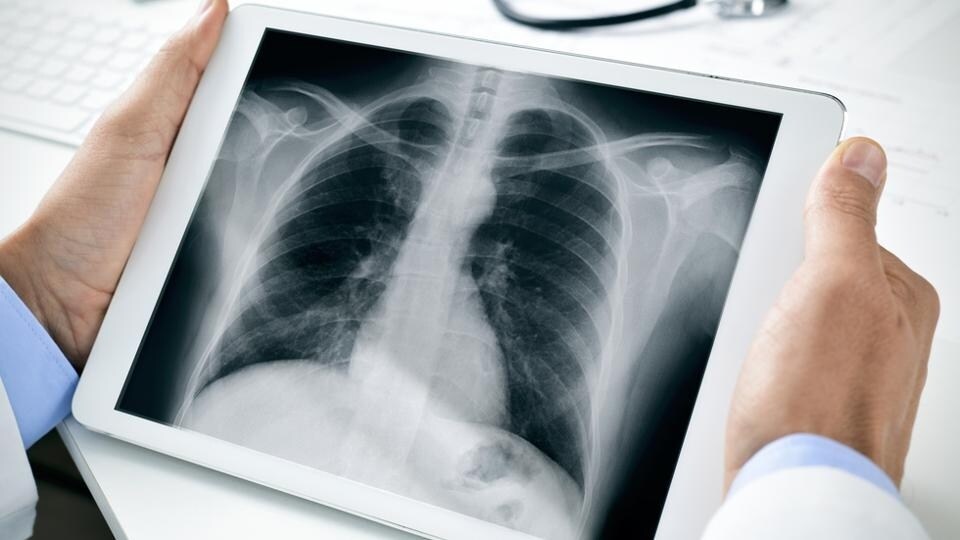
The study shows how pulmonary ionocytes absorb water and salt from the airway surface leading to cystic fibrosis.
According to a new study from the University of Iowa, uncommon lung cells known as pulmonary ionocytes aid in the absorption of water and salt from the airway surface. This function of these cells is the polar opposite of what was expected, and it may have ramifications for cystic fibrosis (CF) lung illness.
Scientists observed five years ago that ionocytes, a cell type often found in fish gills and frog skin, are also present in the lining of human lungs and airways.
These pulmonary ionocytes were of particular interest to cystic fibrosis researchers because, despite accounting for only about 1 per cent of all cells in the airway lining, they carry around half of the entire quantity of CFTR, the protein that is defective in cystic fibrosis.
ALSO READ: How triple combination therapy improves cystic fibrosis: Study
Despite the implication that CFTR-rich ionocytes might play an important role in CF, the function of these cells has remained unclear.
We're now on WhatsApp. Click to join
CFTR channels that are present in airway secretory cells are known to secrete chloride ions out of the cell and into the thin layer of liquid that covers the airway surface. This airway surface liquid plays a vital role in defending the lungs against harmful germs and particles.
Because water "follows" salt, the outflow of chloride ions promotes hydration of the airway surface. In contrast, the new study found that CFTR channels in ionocytes do the opposite; they absorb chloride ions and promote moisture absorption.
"The key feature that allows ionocytes to absorb chloride is the ionocyte-specific barttin chloride channel on the opposite membrane of the cell from the CFTR channel," says Ian Thornell, PhD, UI research assistant professor of internal medicine and senior author of the new study published in the Oct 16 issue of The Journal of Clinical Investigation. “Together, these two channels form a conduit for chloride through the ionocyte that helps drain the liquid lining the airways into the body.”


