
 E-Paper


Before You Buy: Cold-pressed or refined oil? Understanding the difference in processing, nutrition and cooking

 Prefer HTon Google


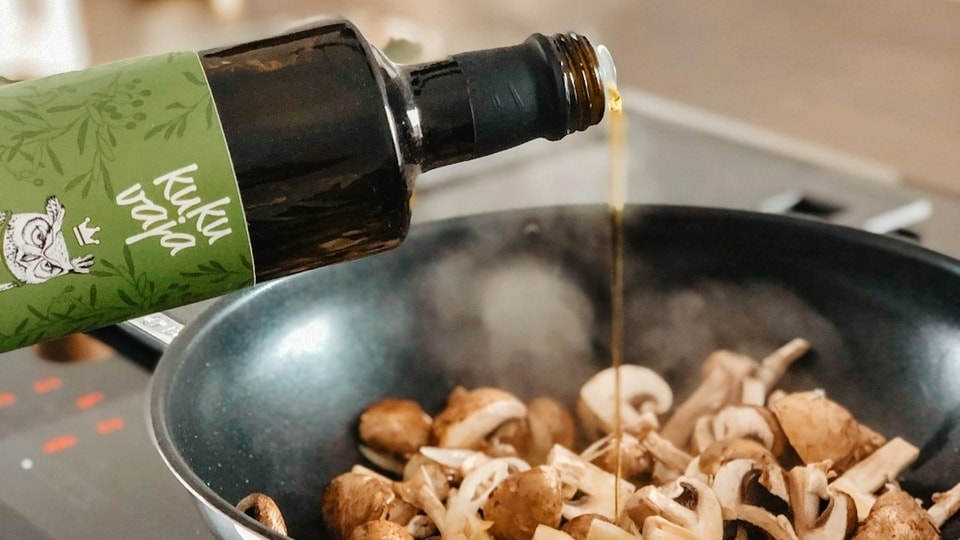
From extraction methods to nutritional value, here’s what you need to know before choosing cold-pressed or refined oil for your everyday meals.
Cooking oil is not just any other addition to kitchen ingredients but an important part of every cooking. Whether you are a health enthusiast or not, it’s imperative to understand what you are using in your kitchen, as it can impact your overall health. In this edition of ‘Before Your Buy,’ HT Lifestyle spoke to Manasa G Aradhya, founder of PureSift, to understand what goes behind making a certain oil type so that you can make an informed decision.
Difference between cold-pressed and refined oil
According to Aradhya, the difference between cold-pressed and refined oils largely comes down to how the oil is extracted and processed, which influences its flavour, aroma, nutritional composition and cooking applications. As consumers become increasingly conscious of food labels and processing methods, it is important to understand these differences rather than assume that one category is universally better than the other.

“Cold-pressed oils are extracted mechanically by crushing or pressing oilseeds without deliberately applying high temperatures during extraction,” highlighted Aradhya. This relatively minimal processing helps retain the natural aroma, colour and characteristic flavour of the source ingredient.
Depending on the seed used, these oils may also retain more naturally occurring antioxidants and certain heat-sensitive compounds. However, they generally have a shorter shelf life, and their suitability for high-temperature cooking depends on the specific oil and its composition.
Refined oils undergo additional processing, which may include degumming, neutralisation, bleaching and deodorisation. These steps remove impurities, free fatty acids, pigments and strong odours, resulting in a more neutral-tasting oil with consistent quality and a longer shelf life. Refined oils can also be suitable for high-temperature cooking, depending on their fatty acid composition and smoke point.

Which is better?
“Neither processing method should be viewed as an automatic indicator of quality. Consumers should consider the source of the oil, its freshness, fatty acid profile, intended cooking application and storage conditions,” said Aradhya. Ultimately, choosing the right oil is about balancing nutritional value, cooking requirements, quality and food safety.
Note to readers: This article is for informational purposes only and not a substitute for professional medical advice. Always seek the advice of your doctor with any questions about a medical condition.


Catch your daily dose of Fashion, Taylor Swift, Health, Festivals, Travel, Relationship, Recipe and all the other Latest Lifestyle News on Hindustan Times Website and APPs.


