
 E-Paper


HT Health Talk: Dermatologist answers 10 questions on eye cream, retinol and building a beauty routine that actually works for your age and skin type

 Prefer HTon Google


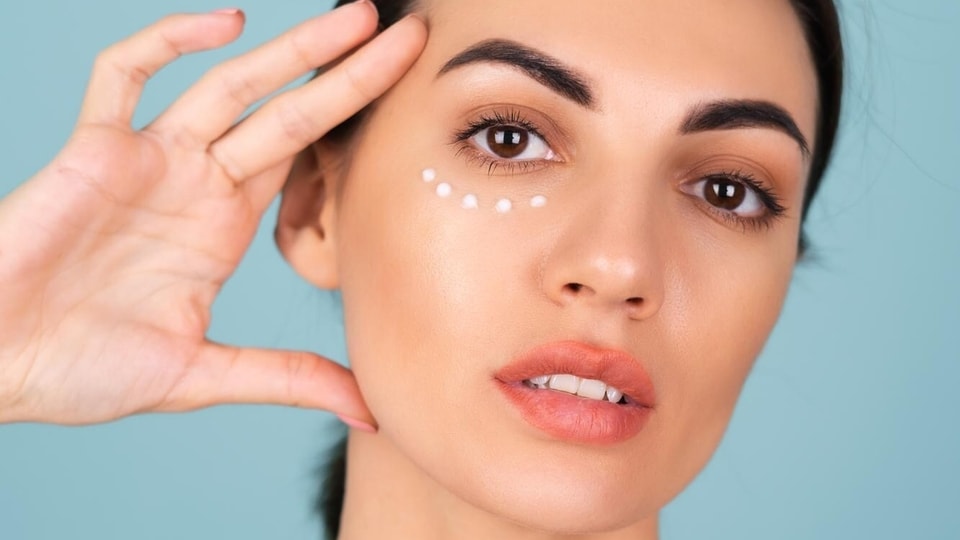
HT Health Talk: If your routine is a 12-step chemistry experiment and your beauty counter is overflowing with serums, hit pause. Here's what works and doesn't.
Turning 30 often comes with a new set of ads telling you that you need a separate eye cream and a drawer full of anti-ageing serums. But how much of it does your skin actually need? Also read | Dermatologists reveal celebrities' ‘glass skin’ secrets: From boosters and lasers to peels
For this week's HT Health Talk, – a reader-centric health initiative by HT Lifestyle – we asked Dr Ramanjit Singh, associate director of dermatology at Medanta, Gurugram, to separate fact from hype. From whether eye creams are just repackaged moisturisers to how to introduce retinol and vitamin C without compromising your skin barrier.
Skin care is not one-size-fits-all, and your birth year should not dictate your beauty cabinet. According to Dr Singh, here is how to build a routine that actually works for your age and skin type.
1. At what age should you start using vitamin C, and how do you choose the right formulation?
There is no fixed age at which you need to start using vitamin C. People in their 20s can introduce it if they want to address uneven skin tone, dullness or pigmentation. Vitamin C is an antioxidant that helps protect the skin against oxidative stress and supports collagen production. When choosing a formulation, beginners can consider a lower concentration, around 5–10 percent, while those who tolerate it well may explore stronger products. L-ascorbic acid is a well-studied form, but it can irritate sensitive skin. Derivatives may be gentler. Always pair vitamin C with broad-spectrum sunscreen.
2. Is it too early to start retinol in your 20s, or should you wait? Why do you need it in the first place?
Starting retinol in your 20s is not necessarily too early, but it is not essential for everyone. Retinol, a vitamin A derivative, can help improve acne, uneven skin tone and the appearance of fine lines over time. It works by influencing skin-cell turnover and supporting collagen-related processes. If your main concern is acne, a dermatologist may recommend a suitable retinoid. For beginners, a low-strength product used once or twice a week is a reasonable starting point, with gradual increases if tolerated. Moisturiser and sunscreen are important. Avoid retinoids during pregnancy or when trying to conceive, as a precaution.
3. How do you manage adult acne without over-drying the skin?
Adult acne needs a balanced approach rather than aggressive cleansing or layering multiple treatments. Wash your face gently twice daily, and choose a non-comedogenic moisturiser even if your skin is oily. Ingredients such as salicylic acid can help unclog pores, while benzoyl peroxide can reduce acne-causing bacteria and inflammation. Azelaic acid is another option that may help with acne and post-acne marks. Introduce one active ingredient at a time, starting slowly to minimise irritation. Avoid scrubs and picking at pimples. Persistent, painful or scarring acne warrants dermatological care, as prescription treatment may be necessary.
4. Do you really need a separate eye cream in your 30s, or is your regular moisturiser enough?
A separate eye cream is not a must-have in your 30s. For many people, a gentle facial moisturiser can adequately hydrate the skin around the eyes, provided it does not cause irritation. Eye creams may be useful if you have specific concerns, such as dryness, puffiness or fine lines, but their benefits depend on the ingredients. For example, moisturising ingredients can improve the appearance of dehydration lines, while caffeine may temporarily reduce puffiness. The skin around the eyes is delicate, so avoid products that sting. Daily sunscreen and sunglasses can also help protect this area from sun damage.
5. What are the first anti-ageing products to introduce into your routine, and at what age?
The most effective anti-ageing routine starts with prevention, not expensive products. Sunscreen should be a daily habit from childhood onwards, while a gentle cleanser and moisturiser help maintain the skin barrier. In your 20s, you can consider vitamin C if you have pigmentation or dullness. Retinoids may be useful if you have acne or want to address early signs of photoageing, although they are not essential for everyone. There is no universal age for starting anti-ageing products. In your 30s, choose products based on your skin concerns rather than age alone. Consistency matters more than a complicated routine.
6. How can you tell if you are overusing active ingredients and damaging your skin barrier?
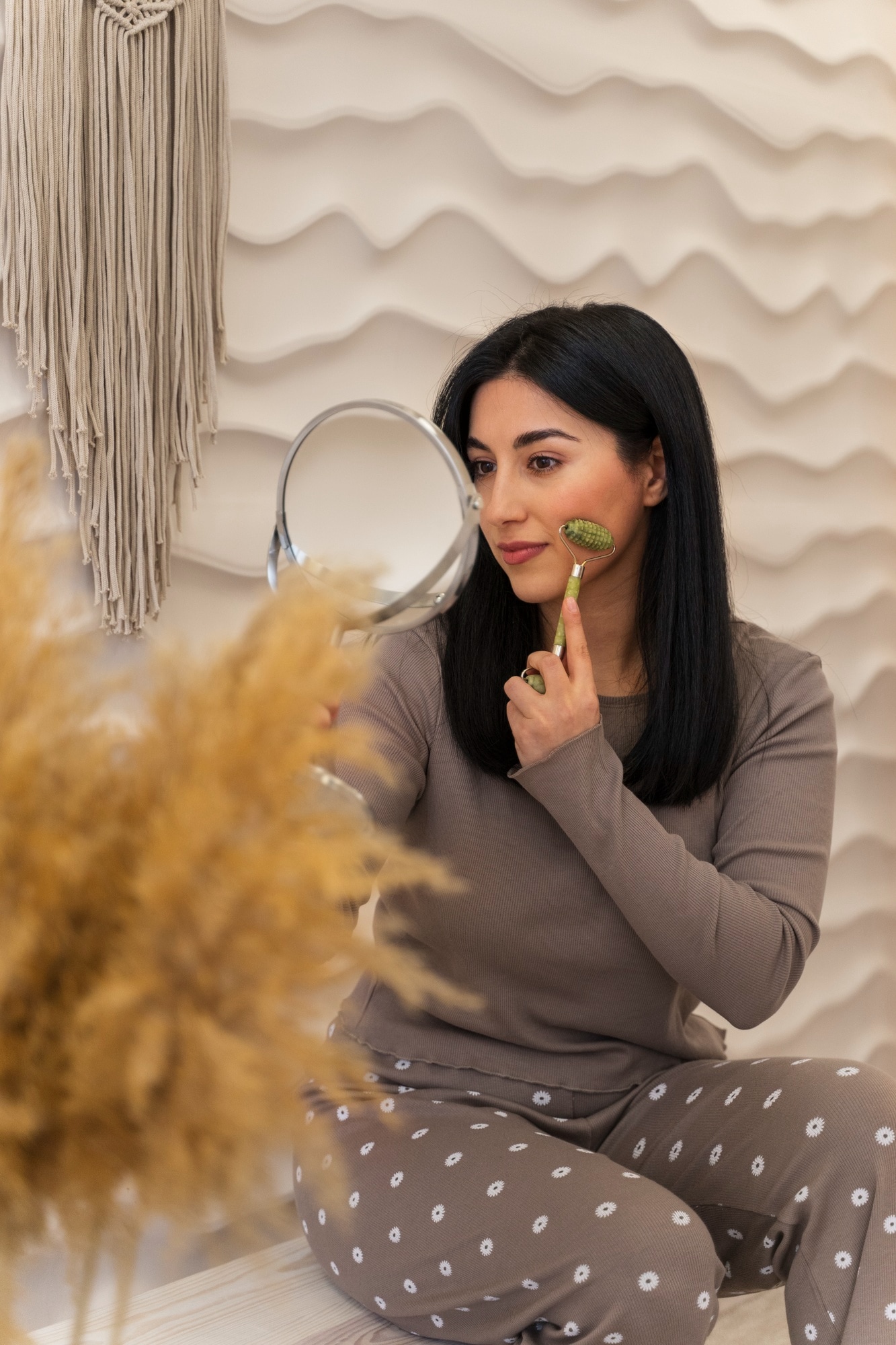
Your skin may be struggling with excessive use of active ingredients if it develops persistent redness, burning, tightness, flaking or unusual sensitivity. Even products you previously tolerated may begin to sting, including your usual moisturiser. Frequent exfoliation and combining ingredients such as retinoids, exfoliating acids and benzoyl peroxide without a suitable plan can increase irritation. These symptoms do not automatically mean your skin barrier is damaged; other skin conditions can cause similar problems. Temporarily stop irritating actives, use a gentle, fragrance-free cleanser and moisturiser, and apply sunscreen. If symptoms persist, worsen or become painful, consult a dermatologist. Also read | HT Health Talk: Science-backed food swaps for midnight cravings, afternoon energy slumps and desk snacking to protect body clock
7. Why does skin become significantly drier after 40, and which ingredients actually help?
Skin can become drier after 40 because ageing gradually affects its ability to retain moisture and produce surface lipids. Hormonal changes, particularly during perimenopause and menopause, can also contribute to dryness, reduced elasticity and increased sensitivity. However, these changes vary from person to person. Ingredients that help include ceramides, which support the skin barrier; glycerin and hyaluronic acid, which attract water; and petrolatum, which reduces moisture loss. A richer moisturiser may be more comfortable than a lightweight lotion. Avoid excessively hot showers and harsh cleansers. If dryness is persistent or accompanied by itching or inflammation, seek medical advice.
8. Which products from your 20s routine should you replace or retire in your 30s and 40s?
You do not need to replace your entire skincare routine simply because you turn 30 or 40. If your cleanser, moisturiser and sunscreen still suit your skin, there is no reason to abandon them. Instead, reassess your changing concerns. Skin that becomes drier may benefit from a richer moisturiser, while persistent pigmentation or fine lines may justify introducing a suitable active ingredient. Products that cause irritation, no longer address your concerns or have expired should be discontinued. You may also need to reduce the frequency of exfoliation if your skin becomes more sensitive. Let your skin's condition, rather than your birthday, guide changes.
9. What works best for thinning skin and loss of firmness in your 50s and 60s?
In your 50s and 60s, skincare should focus on hydration, sun protection and supporting the skin barrier. Ageing and hormonal changes can make skin drier, more fragile and less elastic. A moisturiser containing ceramides, glycerin or hyaluronic acid can improve hydration and comfort. Broad-spectrum SPF 30 or higher helps prevent further sun damage, which contributes to collagen breakdown. Topical retinoids may improve fine lines and some signs of photoageing, but they can irritate mature skin and should be introduced cautiously. No cream can fully reverse significant skin laxity. For persistent concerns, a dermatologist can discuss evidence-based treatment options.
10. Which skincare steps or products can you safely skip after 50?
After 50, you can safely skip many products marketed as essential for mature skin. Separate eye creams, facial mists, toners, scrubs, and multiple serums are unnecessary if your basic routine meets your needs. Expensive anti-ageing products are not automatically more effective than simpler alternatives. Focus instead on a gentle cleanser, a moisturiser that prevents dryness and broad-spectrum SPF 30 or higher sunscreen. Add targeted treatments only when they address a specific concern and suit your skin. Avoid harsh exfoliation if your skin is fragile or sensitive. A simple, consistent routine is often easier to maintain and less likely to cause irritation.
Note to readers: This article is for informational purposes only and not a substitute for professional medical advice. Always seek the advice of your doctor with any questions about a medical condition.


Catch your daily dose of Fashion, Taylor Swift, Health, Festivals, Travel, Relationship, Recipe and all the other Latest Lifestyle News on Hindustan Times Website and APPs.


