
 E-Paper



From the hearth: The domestic novel is taking twisty new shapes

 Prefer HTon Google


New releases offer fresh views of the home. Cue unfiltered stories, messy people, and domestic life as a place of great forces at play.
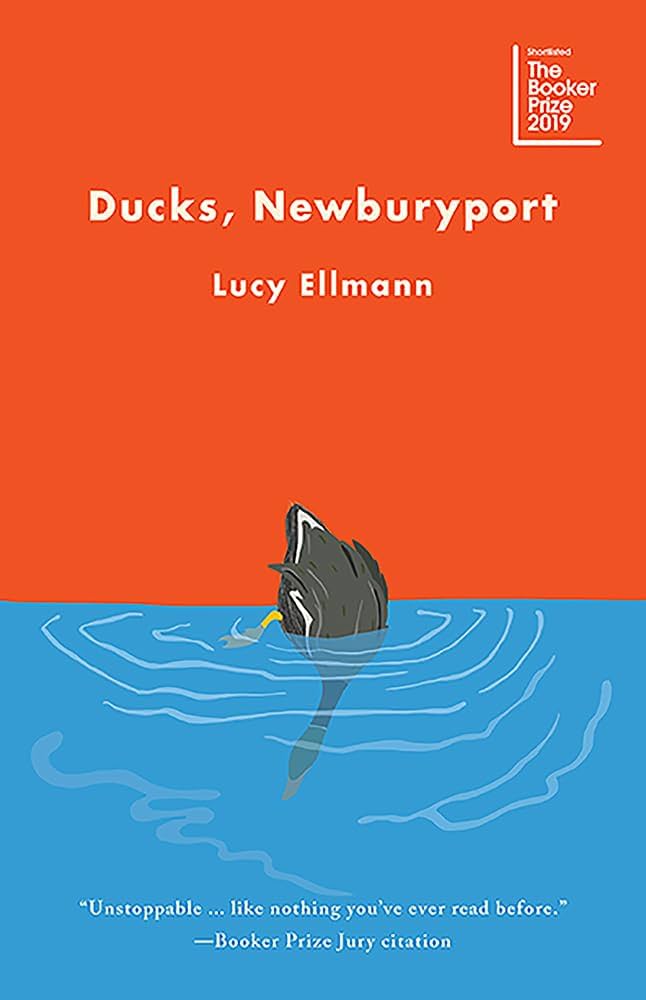
Lucy Ellmann’s 2019 novel Ducks, Newburyport consists of 1,020 pages, almost all of them taken up by eight unending stream-of-consciousness sentences detailing the concerns and preoccupations of an unnamed Ohio woman.
She worries about her four children and her marriage, school shootings and the climate crisis, cancer, money, President Donald Trump, and about living in a “constant state of alarm”. She also worries about pies. A mother, a homemaker and a baker, she does all this worrying, fantasising and list-making amid the repetitive work of keeping a family cared for and a household functioning.
The novel’s great formal joke lies in treating consciousness not as linear narrative but as free-jazz chaos: an accretion of memories, observations, anxieties and non-sequiturs that refuse to be sorted into any kind of hierarchy of significance.
“I don’t know how animals think but I think in spirals, dizzying spirals,” the narrator observes.
Writing in the London Review of Books, critic Jon Day argued that what was most unusual about Ducks… was not its formidable length but its attention to “the details of domestic life that usually go unwritten”. Shortlisted for the Booker Prize, it would now appear to have been a precursor, of sorts, to a wider literary preoccupation with domesticity.
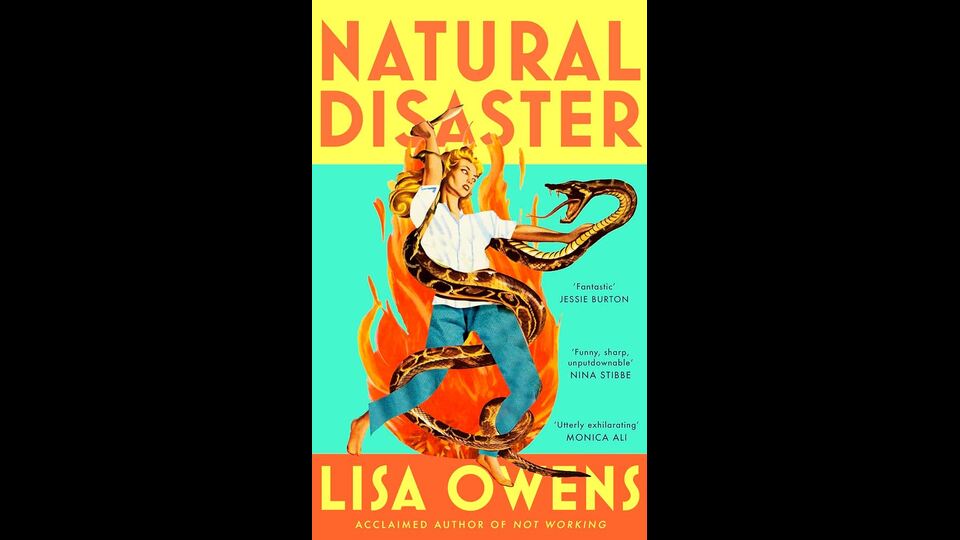
Lisa Owens’s sharply funny Natural Disaster: A Novel (2026) captures the emotional maelstrom of motherhood by following a mother-of-two through her final day of maternity leave.
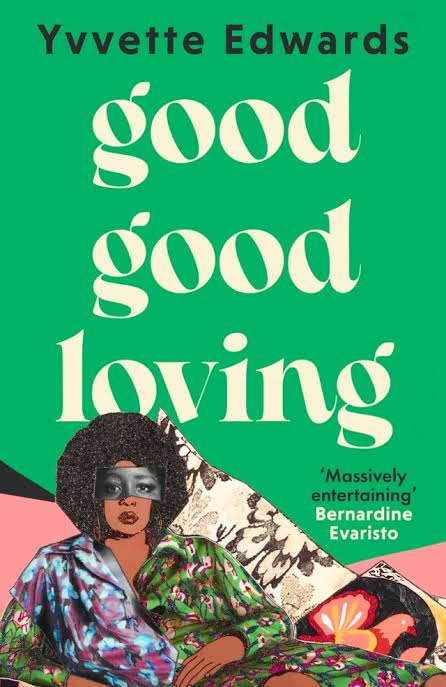
Yvvette Edwards’s Good Good Loving (2026) begins with an elderly matriarch on her deathbed, and travels backwards through nearly five decades of marriage and family life.
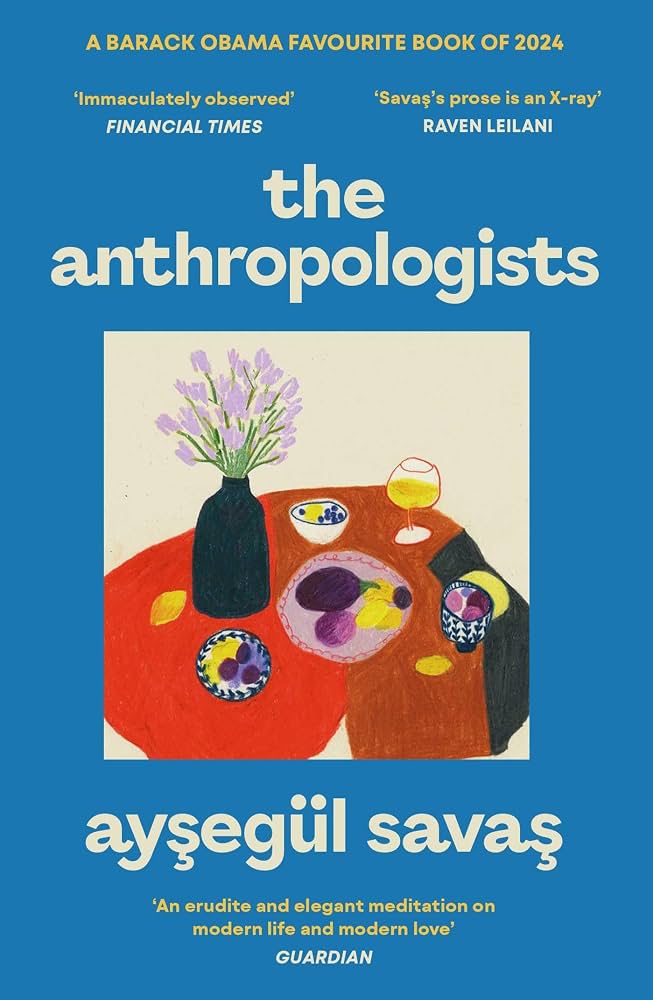
Aysegul Savas’s The Anthropologists (2024), which follows a young millennial expat couple as they look to buy their first home, finds its drama in apartment-hunting, meals, friendships and the gradual construction of an adult life.
They all put domesticity at the heart of their world, but view home so very differently from the ways in which it has traditionally been romanticised. There’s more on that in a bit. First, a brief look back.
HOME TRUTHS
It is tempting to think of this wave as the “rise” of domestic fiction. It would perhaps be more accurate to call it a reboot.
In 2015, writing in Prospect magazine, critic Jane Shilling announced the “new domestic novel”, pointing to books by Karl Ove Knausgard, Elena Ferrante, Rachel Cusk and Colm Toibín. Domestic fiction, she argued, has a tendency to be ignored and marginalised, before periodically being rediscovered with great fanfare. Critics keep assuming that fiction becomes more serious “the further it travels from home”, she noted, only to encounter another generation of writers demonstrating the opposite.
The home has, after all, been one of the novel’s great stages for centuries, particularly for women writers, whose access to the supposedly more consequential arenas of public life (politics, business, even the arts) was constrained.
But the label of “domestic” has never been value-neutral.
First emerging in the 19th century, the tag was used to refer to novels such as Louisa May Alcott’s Little Women, indicating that they “confined” themselves to the home and, as such, occupied a different (read: lower) rung, and sat apart from standard literary fare.
WORKING TITLES
What is perhaps most interesting about the newest releases in this genre is the way they play with that formula. They expand conceptions of domesticity, capturing accurately just how much of our lives are spent in residence — no matter who we are.
In doing so, they turn the home into a sort of centre of the world.
Ducks, Newburyport operates on the grand scale of a Greek epic, mapping each corner of the prison of the mind. So, in the stream-of-consciousness magnum opus, a woman stands motionless at a kitchen counter, while mentally juggling six different crises, from grocery lists and White supremacy to plot holes in Little House on the Prairie and gun control.
In The Anthropologists, the search for a new apartment becomes an exploration of how small, everyday choices can define who we are, and the places we call home.
Discomfort plays a key role, as these novels explore the invisible costs of the domestic life too: isolation and self-doubt; invisibility; the strain of the mental labour of remembering, planning, anticipating and organising (meals, birthdays, suppers for friends, vacations, school routines, grocery runs, playdates, sleepovers) and of the “affective labour” of managing the relationships and emotional well-being of a family.
Vitally, these novels serve as a reminder that there is no real separation between “domestic” and “public”, “personal and political”. The home has always been shaped by the great forces of history: power, politics, capitalism, technology, scarcity, ideology. It has always shaped such forces too.
Turn the last page and, if anything, their scale feels like sly deception, the cosiness concealing the fact that work and money, resentment and duty, tyranny and revolution have been hiding under the floorboards all along.


